
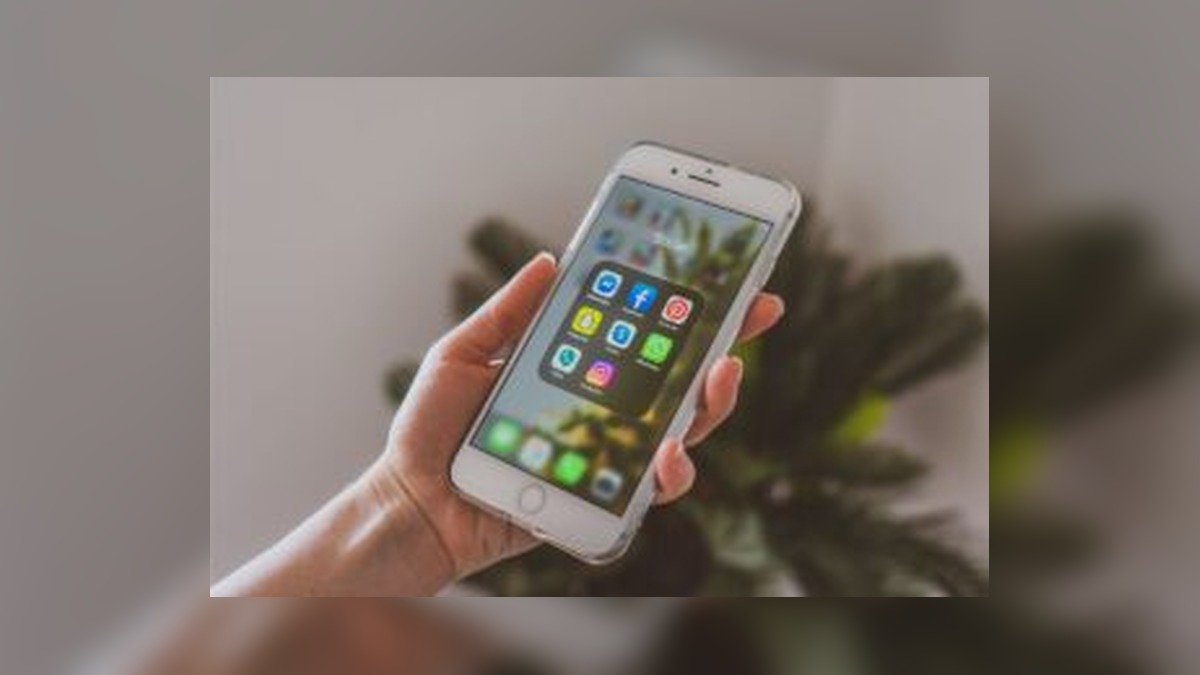
South Africans planning to travel to the United States for work or study are facing expanded social media screening as Washington broadens the categories of visa applicants subject to additional online vetting.
The latest change took effect on 1 October 2026 and directly affects foreign media representatives applying for certain US visas.
Under the new requirements, affected applicants must make their social media profiles publicly accessible so that US consular officers can review their online presence as part of the visa process.
Journalists Are Among Those Newly Affected
The most significant development for South African applicants concerns the I visa, which is issued to foreign journalists and other representatives of the international media.
Applicants seeking an I visa must now ensure that their social media profiles are set to “public” or “open”.
The US Department of State announced the expansion on 18 September, adding I visas alongside the TN and TD categories to the enhanced screening programme.
TN and TD visas are primarily used by qualifying Canadian and Mexican professionals and their dependants, meaning those categories generally do not affect South African applicants.
Social Media Checks Have Been Expanding Since 2025
The latest change is part of a wider expansion of US visa screening that has been taking place over the past year.
Applicants for F, M and J visas have been subject to the enhanced social media review since June 2025. These categories include international students, vocational students and exchange visitors.
The J visa also covers certain exchange programmes, including some au pair and work-and-travel arrangements.
In December 2025, the screening was expanded to H-1B skilled workers and their H-4 dependants.
Another expansion followed on 30 March 2026, bringing additional categories into the programme, including K, R, T, U, Q and H-3 visas.
Tourists Still Have Social Media Disclosure Obligations
The latest requirement does not mean every South African tourist travelling to the US must make their social media accounts public.
However, tourist visa applicants are still required to provide social media information as part of the wider US visa application process.
Since 2019, most US visa applicants have been required to disclose the social media platforms they have used during the previous five years on the DS-160 application form.
Providing false or incomplete information can create serious immigration consequences.
The Department of State has also clarified that consular officers do not require applicants to provide their social media passwords.
Why the US Is Expanding Online Vetting
The Department of State says its screening measures are intended to identify applicants who could pose a threat to US national security or public safety.
The government has described a US visa as a privilege granted at the discretion of the government rather than an automatic entitlement.
Under the expanded screening process, consular officers can examine publicly available information when assessing an applicant.
That means an applicant’s online presence can potentially become another source of information alongside documents, interviews and other details supplied during the visa process.
Applicants Should Check Their Online Information
Immigration specialists are advising applicants to make sure the information presented on their social media accounts does not contradict their visa applications.
Employment history is one area that could attract questions.
For example, discrepancies between a person’s LinkedIn employment history and the professional information supplied in a visa application could prompt additional scrutiny.
Posts, professional profiles or other publicly available information that appear inconsistent with an applicant’s stated circumstances could also result in questions or delays.
Additional Screening Could Affect Processing Times
The Department of State has not announced a new standard processing period specifically because of the expanded social media screening.
However, applicants should be aware that additional scrutiny can result in delays in individual cases.
People travelling for time-sensitive reasons may therefore want to begin the visa process well ahead of their planned departure.
For South African journalists, students and professionals in affected categories, checking social media privacy settings should now be considered part of the preparation process.
Social Media Is Becoming Part of the Visa Process
The expansion illustrates how increasingly important an applicant’s digital footprint has become in US immigration screening.
For many travellers, social media has traditionally been viewed as a private or personal space. Under the expanded US visa rules, however, publicly available online information can form part of the material considered by consular officials.
South Africans applying for US visas should therefore ensure that their applications are accurate, their disclosed social media information is complete where required and their public profiles do not contain information that conflicts with what they have formally submitted.
For those travelling to the US to study, work or report, the message is increasingly clear: your online presence may now be considered alongside your visa application.

