
Moscow faced one of its largest reported Ukrainian drone attacks of the past two years overnight into October 6, with Russian authorities saying hundreds of unmanned aircraft were directed toward the capital region.
According to figures provided by Moscow Mayor Sergey Sobyanin, approximately 650 drones were heading toward the Moscow Region between 8:30 p.m. on October 5 and 5 a.m. the following morning.
Russian officials attributed the attack to Ukraine. The figures and details provided by Moscow authorities were not independently verified in the information supplied.
Air Defenses Reportedly Intercept 105 Drones Near Capital
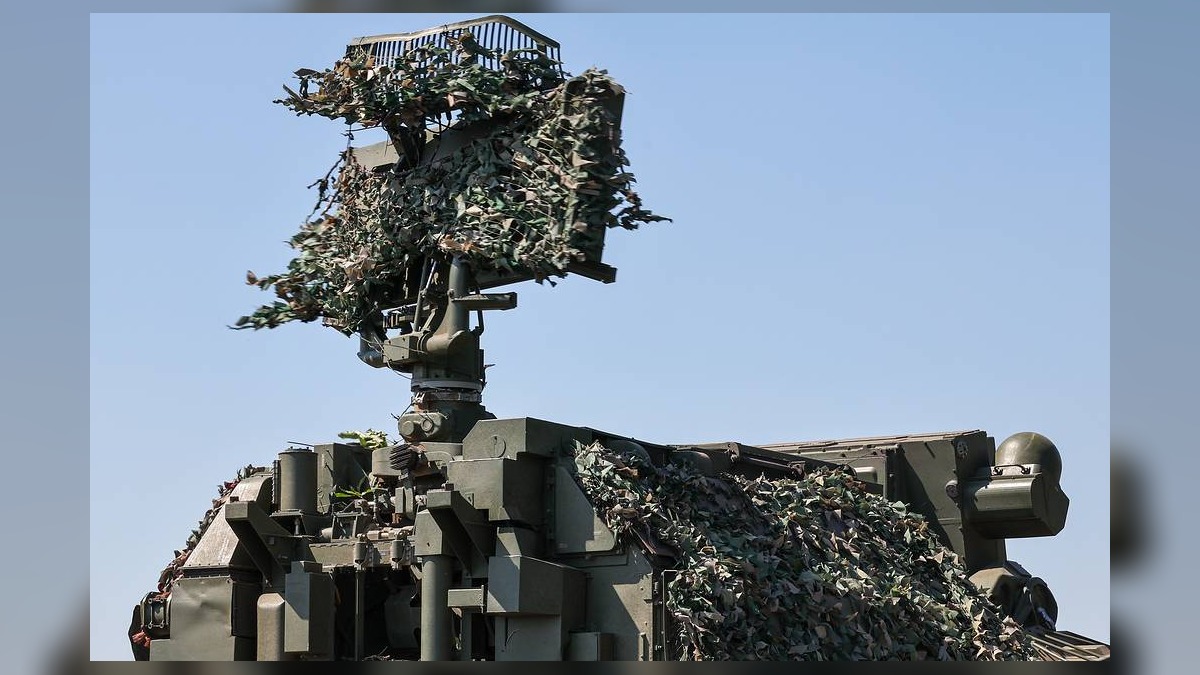
Sobyanin said Russian air defenses intercepted most of the incoming drones at considerable distances from Moscow.
Another 105 UAVs were destroyed as they approached the Russian capital, he said in a statement published on the Max messaging platform.
The mayor’s figures suggest the latest operation was among the largest waves of drones reported around Moscow during the conflict.
September Attack Remains Largest Reported Wave
Despite the scale of the latest incident, Sobyanin said an even larger drone attack occurred between September 19 and the morning of September 20.
According to the mayor, more than 1,600 UAVs were involved in that wave, with 450 reportedly destroyed on approaches to Moscow.
Russian authorities said other drones were intercepted farther from the capital as part of a layered air-defense response.
August Saw Another Large Drone Operation
Moscow also faced a major attempted attack between the evening of August 15 and the morning of August 16, according to Sobyanin.
The mayor said approximately 600 drones were heading toward the Russian capital during that period.
Of those, 201 were reportedly destroyed within the Moscow Region.




More Than 500 Drones Reported in September 2-3 Attack
Another significant wave was recorded between the morning of September 2 and midday on September 3.
Sobyanin said 548 UAVs were directed toward the Moscow Region during that period.
Most were reportedly intercepted at long range, while 143 were shot down on approaches to Moscow.
July Marked by Repeated Drone Waves
Russian authorities reported several other large-scale drone incidents around Moscow during July.
Between the evening of July 6 and the morning of July 7, air-defense forces reportedly destroyed more than 430 UAVs, including 36 approaching Moscow.
Another attack between July 19 and July 20 involved more than 400 drones heading toward the Moscow Region, according to the mayor. Russian defenses reportedly neutralized most at long range, while 85 were intercepted closer to the capital.
Hundreds More Drones Reported in Late July
The series of attacks continued later in the month.
Sobyanin said more than 390 drones were heading toward the Moscow Region between the evening of July 27 and the morning of July 28.
Russian authorities also reported more than 370 UAVs between the evening of July 17 and early July 18, with most allegedly intercepted well outside Moscow.
Between July 11 and July 12, more than 300 drones were reportedly destroyed, including 45 on approaches to the capital.
Authorities had earlier said more than 200 drones were directed toward Moscow on July 4.
March 2025 Attack Highlighted Earlier Drone Threat
Moscow had also reported a substantial drone attack on March 11, 2025.
At the time, Sobyanin said 74 drones were shot down while approaching Moscow, while hundreds of other combat UAVs were intercepted at different defensive lines.
The incident was among the earlier examples of increasingly large drone operations directed toward the Russian capital.
Drone Warfare Increasingly Reaches Moscow Region
The figures released by Moscow authorities indicate that large-scale drone attacks have become a recurring feature of the Russia-Ukraine conflict, extending operations far beyond the immediate battlefield.
The latest reported wave of 650 UAVs ranks among the largest attacks Moscow says it has faced over the past two years, although it remains considerably smaller than the more than 1,600 drones Russian authorities said were involved in the September 19-20 operation.
Russian officials maintain that layered air-defense systems have allowed most incoming drones to be intercepted before reaching Moscow itself.
The precise number of drones launched, intercepted or reaching their intended targets during the latest operation could not be independently confirmed from the information provided.
