
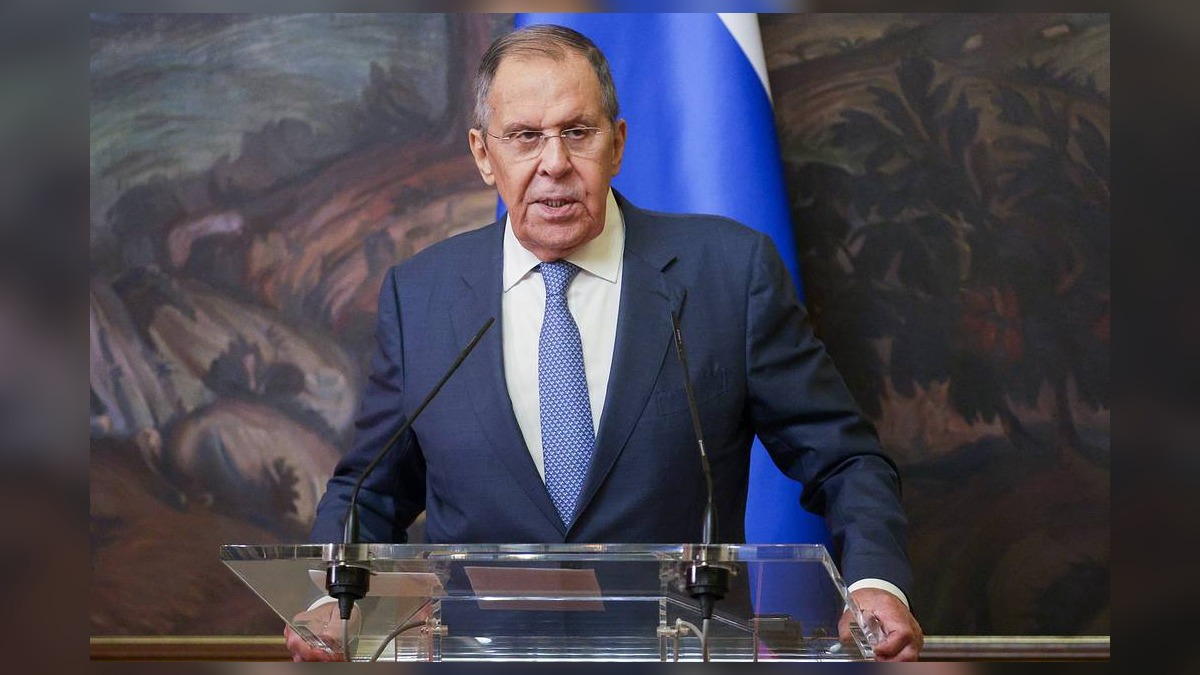
Russian Foreign Minister Sergey Lavrov says Moscow is closely following statements from NATO concerning the possibility of a future conflict with Russia, while maintaining that the country is prepared to respond to potential security threats.
Lavrov made the remarks during a press conference following talks in Moscow with East Timorese Foreign Minister Bendito Freitas.
The Russian foreign minister addressed a wide range of international issues, including NATO’s eastern flank, the security of Kaliningrad, tensions involving Iran, Afghanistan and Pakistan, developments in the Asia-Pacific region and Moscow’s relationship with East Timor.
Moscow Takes Cautious Approach to NATO Statements
Lavrov said Russia was aware of NATO discussions about preparing for the possibility of war with Moscow and was continuing to monitor the alliance’s activities.
He linked Russia’s response to what Moscow describes as the objectives of its military operation in Ukraine, arguing that the government remains focused on preventing security threats emerging from Russia’s western neighbors.
Lavrov also commented on reports concerning what has been described as NATO’s defensive planning for its eastern flank.
He said he was taking a “philosophical view” of the reports, arguing that positions expressed by Western governments and organizations can change.
“Today they say one thing, and tomorrow another,” Lavrov said.
Putin’s Warning Over Potential Attack on Kaliningrad Recalled
The foreign minister also addressed concerns surrounding Russia’s Kaliningrad Region, the Russian territory situated between NATO members Poland and Lithuania.
Lavrov referred to previous comments by President Vladimir Putin regarding how Moscow would respond if Kaliningrad came under attack.
According to Lavrov, Putin had made clear during the Valdai forum that Russia would respond to an attack against Kaliningrad in the same way it would respond to an attack against any other Russian region.
Lavrov did not provide additional details about what such a response would involve.
Lavrov Blames Western Intervention for Middle East Instability
Turning to the Middle East, Lavrov accused Western countries of contributing to instability through what he described as interference in regional affairs.
He argued that countries participating in the Moscow Format discussions on Afghanistan continue to experience serious consequences from previous Western involvement in the region.
His comments reflect Moscow’s longstanding criticism of Western foreign policy, particularly US-led military and political interventions.
Western governments have offered different assessments of the causes of instability across the Middle East and surrounding regions.
Russia Voices Concern Over Situation Around Iran
Lavrov also expressed concern about developments involving Iran, particularly their potential consequences for the global economy.




He said Moscow believed the situation was already imposing substantial economic costs internationally and called for disputes to remain within diplomatic and political channels.
The Russian foreign minister pointed to mediation efforts by several regional governments, including Egypt, Pakistan, Qatar and Saudi Arabia.
Lavrov said Moscow hoped those initiatives would help prevent further escalation and support a negotiated outcome.
Moscow Questions Emerging Asia-Pacific Alliances
Developments in the Asia-Pacific region were another focus of Lavrov’s remarks.
He accused the United States and several of its partners of attempting to establish small, closed security groupings that Moscow believes could undermine the existing regional architecture.
Lavrov specifically referred to the United States, European countries, Australia and Japan while contrasting their approach with the ASEAN-centered model.
According to Lavrov, the ASEAN framework is based on inclusiveness and consensus, principles that Russia believes should remain central to regional cooperation.
Russia Says Regional Bloc Building Is Cause for Concern
Lavrov said Moscow was not alone in expressing reservations about the growth of smaller security partnerships in the Asia-Pacific.
He claimed some ASEAN members also wanted to preserve the organization’s traditional principles and its role at the center of regional diplomacy.
The United States and its allies, meanwhile, have generally presented their regional partnerships as mechanisms for strengthening security, deterrence and cooperation rather than as replacements for ASEAN.
Lavrov Plays Down Failure to Reach Afghanistan Document
On Afghanistan, Lavrov acknowledged that participants in the Moscow Format had failed to adopt a final document.
He described the outcome as unfortunate but said it had not been entirely unexpected.
Lavrov suggested there had been indications beforehand that reaching a consensus would prove difficult and argued that the development should not be overstated.
Moscow Offers Help With Afghanistan-Pakistan Tensions
Lavrov also addressed relations between Afghanistan and Pakistan, which have faced recurring security and political tensions.
He said Moscow believed both countries had an interest in normalizing their relationship.
According to Lavrov, Russia is attempting to assist Kabul and Islamabad in resolving both longstanding disagreements and newly emerging problems.
He did not provide details about specific Russian mediation initiatives during his remarks.
Russia Seeks Broader Economic Relationship With East Timor
Beyond geopolitical tensions, Lavrov used the press conference to discuss opportunities for expanding relations with East Timor.
He acknowledged that trade and economic cooperation between the two countries remained limited but said talks with Freitas had identified opportunities for further development.
Energy, mining, fisheries and tourism were highlighted as potential areas for joint investment.
Lavrov said Russian companies were prepared to increase energy supplies to East Timor as the two governments explored ways to deepen their economic relationship.
Moscow Welcomes Planned East Timorese Embassy
Russia also welcomed East Timor’s plans to establish an embassy in Moscow.
Lavrov said the Russian government was prepared to provide assistance once it received specific requests from East Timorese authorities.
The planned diplomatic mission would represent another step toward strengthening bilateral relations as Moscow seeks to expand political and economic partnerships beyond its traditional regional relationships.
Lavrov’s wider remarks underscored Russia’s current foreign policy position: continued scrutiny of NATO and Western security initiatives, criticism of Western involvement in international conflicts, support for diplomatic approaches to regional disputes and efforts to strengthen Moscow’s relationships with countries outside the Western alliance system.
