
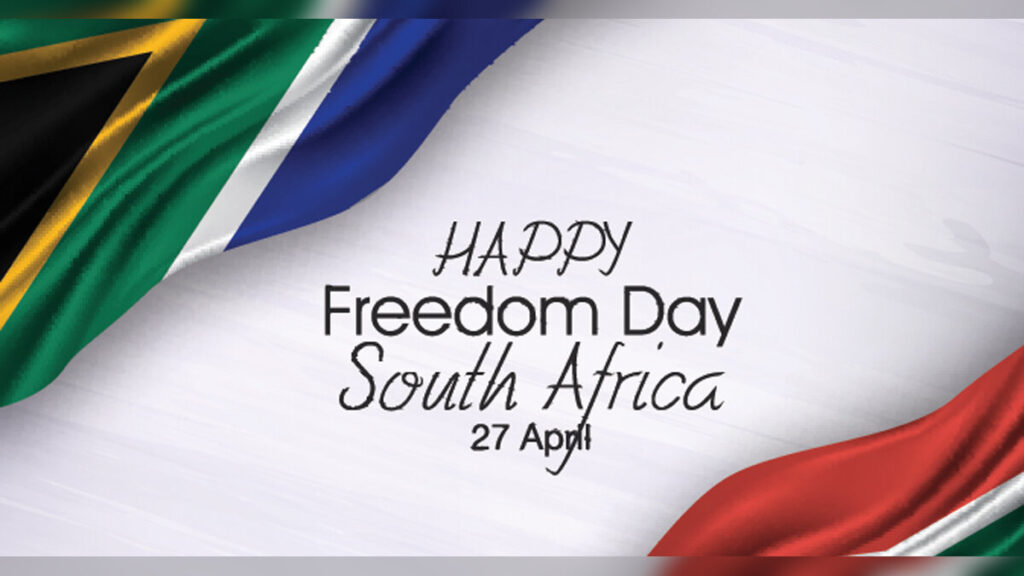
Crowds gathered in large numbers across South Africa as the country marked another Freedom Day, a moment that continues to carry deep historical and emotional weight.
In the Free State, the spotlight fell on Bloemfontein, where communities from surrounding areas converged at the Dr Rantlai Molemele Stadium in Mangaung for the main national event.
The atmosphere was filled with pride, remembrance, and reflection as citizens came together to honour a journey that reshaped the nation.
President Ramaphosa to Address the Nation
All eyes are on President Cyril Ramaphosa, who is set to deliver the keynote speech at the stadium.
His address is expected to touch on the country’s democratic progress, current challenges, and the path forward as South Africa continues to evolve.
At the same time, similar commemorations are unfolding across all provinces, with Premiers leading events in their respective regions, ensuring that the spirit of Freedom Day is felt nationwide.
Marking 32 Years Since a Historic Turning Point
This year’s celebration marks 32 years since the landmark democratic elections of 27 April 1994—an event that fundamentally changed South Africa’s political and social landscape.
That election symbolized the end of apartheid and the beginning of a democratic era built on equality and human rights.
Freedom Day 2026 carries the theme: “Freedom and the Rule of Law: Thirty Years of Democratic Citizenship,” emphasizing the continued importance of constitutional values in shaping the nation’s identity.
A Time to Reflect on the Constitution and Democratic Values
Beyond celebration, the day serves as a reminder of the Constitution’s role in safeguarding democracy.
Three decades after its adoption, the focus remains on upholding the rule of law, ensuring justice, and promoting active citizenship.
Freedom Month, which surrounds this day, encourages citizens to reflect on how far the country has come, while also acknowledging the responsibility of building a more inclusive and united society.
It’s particularly aimed at inspiring younger generations to understand their rights and actively participate in democracy.




Voices from the Community Highlight Meaning of Freedom
For many South Africans, the day is deeply personal.
Residents like Seipate Moeti from Botshabelo see it as a powerful reminder of sacrifice and victory.
She spoke about the significance of the day, noting that while freedom was achieved, it came at a heavy cost for many who fought for it.
Her message was clear: participation in these celebrations matters because it honours that struggle.
Another resident, Israel Molantoa, shared similar sentiments, pointing out that the freedoms enjoyed today were hard-won and should never be taken for granted.
Historic Milestones Add Deeper Meaning to 2026 Celebrations
This year’s event carries added significance as it aligns with several major national anniversaries.
These include 30 years since the Constitution was adopted, 70 years since the historic Women’s March of 1956, and 50 years since the Soweto uprising.
Each of these milestones represents a defining chapter in South Africa’s journey, reinforcing the ongoing need for transformation and unity.
Investment in Youth and Community Development Takes Priority
Alongside the commemorations, Gayton McKenzie is continuing efforts to uplift communities through sport and development initiatives.
As part of his outreach programme in Bloemfontein, he is set to hand over two new multipurpose sports facilities to local schools.
The move is aimed at nurturing young talent, promoting inclusion, and strengthening community ties through sport.
Impact and Consequences
Freedom Day remains a powerful tool for national reflection, but it also highlights ongoing challenges.
Issues such as inequality, unemployment, and social division still linger, reminding citizens and leaders alike that the work of building a truly inclusive society is far from complete.
At the same time, initiatives like youth development programmes signal a commitment to addressing these challenges and investing in future generations.
What’s Next?
Moving forward, attention will likely shift to how government and communities translate the ideals of Freedom Day into practical action.
This includes strengthening democratic institutions, expanding opportunities for young people, and ensuring that constitutional values are upheld in everyday life.
There is also an expectation that public engagement—especially among youth—will continue to grow beyond symbolic celebrations.
Summary
South Africa’s Freedom Day 2026 is more than just a public holiday—it is a moment of remembrance, celebration, and renewed commitment.
From national speeches to grassroots reflections, the day captures both the achievements of the past and the responsibilities of the present.
Bulleted Takeaways
- Communities gathered in Bloemfontein for the main Freedom Day event
- President Cyril Ramaphosa is set to deliver the keynote address
- The day marks 32 years since South Africa’s first democratic elections
- Celebrations are taking place across all provinces
- Citizens highlighted the sacrifices made during the struggle for freedom
- Major historical anniversaries add deeper significance to this year’s event
- Government initiatives are focusing on youth development and inclusion
- The commemoration underscores both progress made and challenges ahead
