
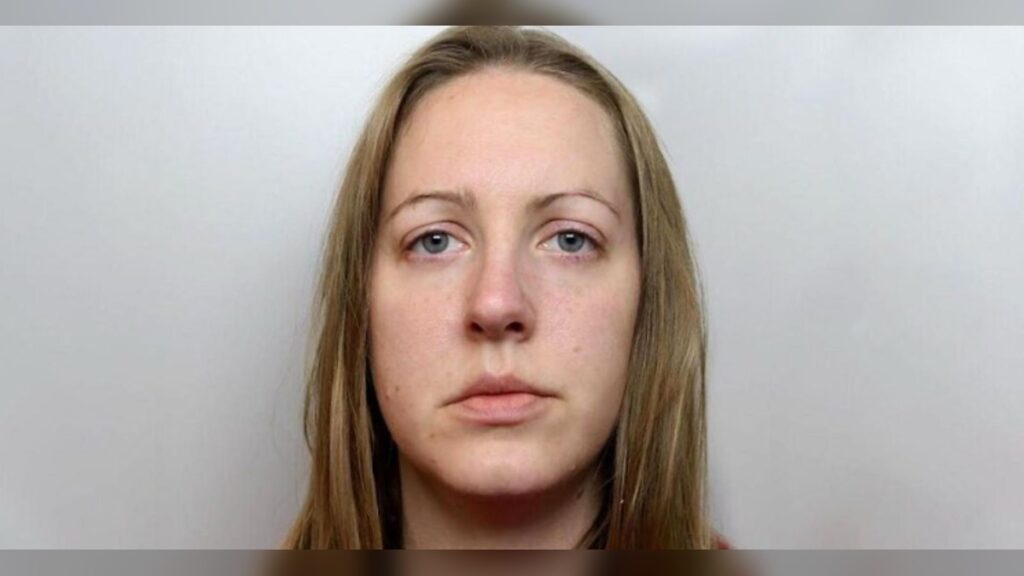
Lucy Letby’s bid to overturn her convictions has suffered a fresh setback after two experts who previously supported her innocence withdrew their backing for parts of the scientific case being advanced by her defence team.
Helen Shannon, a British chemical engineering specialist, and Professor Geoff Chase, a New Zealand-based bioengineering academic, said they could no longer support arguments they considered scientifically unreliable.
The pair were members of an international group of medical and scientific experts assembled to examine the evidence surrounding Letby’s convictions.
Their concerns were set out in correspondence to the Criminal Cases Review Commission (CCRC), which is currently examining new material submitted on the former neonatal nurse’s behalf.
Scientists Raise Concerns Over Defence Strategy
Shannon and Chase maintained that they still considered it highly unlikely that two babies identified during Letby’s trial as Babies F and L had been poisoned with insulin.
However, they drew a distinction between that assessment and other arguments being advanced by the defence.
According to the experts, some of the wider claims being presented were incompatible with available evidence, established scientific understanding and known physiology.
They said they could not ethically associate themselves with arguments they believed had fundamental and unresolved scientific problems.
The pair also expressed concern about the approach taken by Letby’s barrister, Mark McDonald, arguing that it could expose the convicted nurse to unnecessary risks in her continuing attempt to challenge the verdicts.
Letby Continues to Deny Killing Babies
Letby, 36, has consistently denied murdering or attempting to murder babies at the Countess of Chester Hospital.
She was convicted of murdering seven babies and attempting to murder seven others during her time working on the hospital’s neonatal unit between June 2015 and June 2016.
She is currently serving 15 whole-life sentences.
Her legal team has continued to challenge the scientific evidence presented at her original trial, particularly the prosecution’s case concerning babies F and L and allegations that they were deliberately poisoned with insulin.
The CCRC, which investigates possible miscarriages of justice, has been examining a substantial dossier of new evidence submitted on Letby’s behalf.
Shoo Lee Panel Challenged Original Medical Evidence
The evidence includes work by an international panel led by Canadian neonatologist Dr Shoo Lee.
The panel examined medical records relating to 17 babies who were originally alleged to have been murdered or targeted by Letby.



In February 2025, Lee told reporters that his assessment was that the babies had not been murdered.
He argued that the deaths could instead be explained by natural causes or shortcomings in medical care.
The panel’s findings became a central part of efforts to challenge the prosecution’s interpretation of the medical evidence.
However, questions have subsequently been raised about the circumstances in which some experts were approached.
Questions Emerged Over Panel’s Independence
Concerns about the panel’s independence intensified when correspondence from Dr Lee emerged showing that he had described the experts as potentially being Letby’s “last hope”.
The wording prompted at least one senior neonatologist to decline involvement, with the doctor reportedly concerned about the language used when participants were invited to review the medical evidence.
Lee had previously maintained that the experts were brought together to conduct an objective assessment without bias.
The controversy has added another layer to the continuing dispute over how the medical evidence surrounding Letby’s convictions should be interpreted.
Defence Barrister Faces Separate Professional Complaint
McDonald has also faced scrutiny unrelated to the disagreement between the experts.
In April, it emerged that he had been reported to the Bar Standards Board over allegations of professional misconduct.
The complaint is understood to have been made by relatives of Letby’s victims and relates to correspondence sent to Cheshire coroner Jacqueline Devonish.
The letter sought to have Letby recognised as an interested party in forthcoming inquests concerning the deaths of the babies.
Richard Baker KC, representing the families, said they were deeply distressed that the names of their babies, which are protected by anonymity orders, had appeared in the correspondence and were allegedly disclosed to a third party.
Defence Says Case Does Not Depend on Two Experts
McDonald has rejected the suggestion that the withdrawal of Shannon and Chase undermines Letby’s broader case.
Responding to their decision, he said Letby’s claim of innocence did not depend on the evidence of any single expert.
He pointed instead to evidence from specialists in insulin, endocrinology and laboratory medicine, arguing that their combined findings challenge the scientific evidence relied upon by prosecutors at trial.
According to McDonald, the significance of the new material lies in its range of disciplines and the fact that experts from different countries have identified what he described as fundamental weaknesses in the scientific basis of the prosecution case.
Thirlwall Inquiry Findings Due
The dispute comes as the public inquiry into the Letby case prepares to publish its findings.
The inquiry, led by Lady Justice Kathryn Thirlwall, has examined how hospital authorities responded to concerns about an unusual increase in deaths and serious incidents on the neonatal unit in 2015 and 2016.
Doctors had raised concerns about the pattern of deaths and Letby’s involvement, but questions were subsequently raised about whether hospital management acted quickly enough when those concerns emerged.
The inquiry is expected to examine the decisions made by hospital leaders and the opportunities they may have had to intervene.
Police Investigation Remains Open
Alongside the legal and public inquiry processes, a police investigation into possible corporate manslaughter and gross negligence manslaughter at the Countess of Chester Hospital remains ongoing.
The CCRC has declined to comment publicly on the latest developments in its review of Letby’s convictions.
For now, Letby continues to challenge the verdicts while disagreements over the scientific interpretation of the evidence remain at the heart of her attempt to establish that she was wrongly convicted.
