
Nigel Farage has rejected calls for Reform UK to return £72 million in donations from cryptocurrency billionaires, insisting the payments were lawful when they were made.
The dispute centres on two £36 million contributions from businessmen Christopher Harborne and Ben Delo, whose residency status has come under scrutiny as the Government prepares legislation aimed at tightening restrictions on political donations from people living overseas.
Farage argued that the donations complied fully with the rules in force at the time, while Labour has indicated that proposed restrictions could be applied retrospectively.
Farage Challenges Labour Over Backdated Restrictions
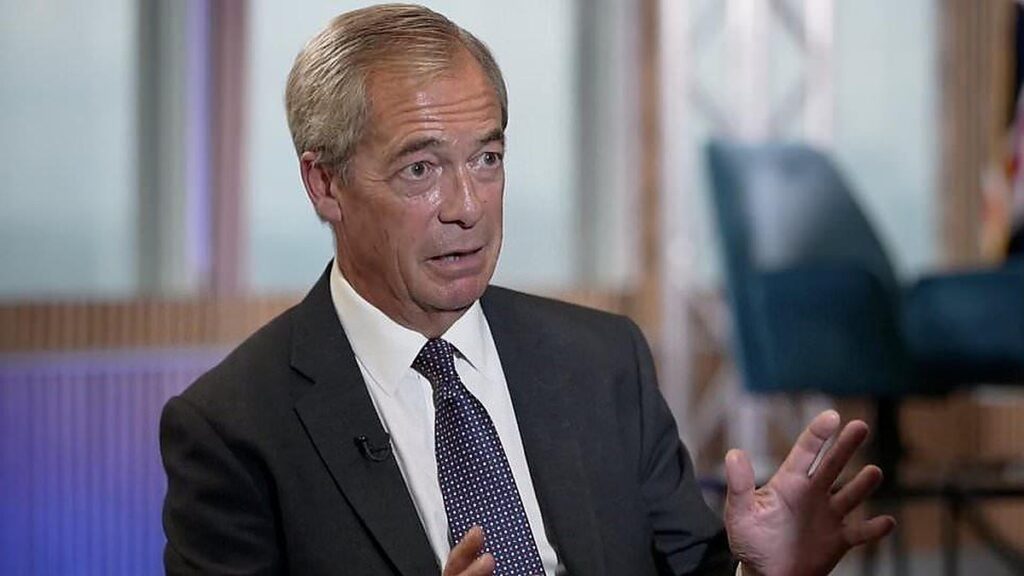
Speaking to the BBC, Farage said there was no question that the two donations complied with existing legislation.
He declined to discuss the donors’ individual circumstances, including whether they were UK residents on March 25, the date being used as the proposed cutoff.
However, the Reform leader said he remained confident about the legality of the donations under the current rules.
The Government’s proposed changes would restrict certain donations from people who have recently returned to Britain or who have not maintained the required connection to the country.
Farage strongly objected to the prospect of applying those restrictions to money that had already been legally donated.
He argued that declaring donations unlawful retrospectively would be unacceptable.
Labour Signals Donations Could Be Returned
Deputy Prime Minister Angela Rayner has warned that the planned restrictions will be backdated.
She said the measures would cover donations received from March 25 onwards and could affect people who had recently returned to Britain.
Rayner argued that individuals who do not live in Britain or pay taxes there should not be able to use their wealth to exert influence over British democracy.
She said parties receiving donations that ultimately fail to meet the new requirements could be given 60 days to return the money.
The proposed restrictions form part of legislation currently moving through Parliament and are designed to tighten controls over overseas political funding.
Residency Status of Reform Donors Under Scrutiny
Harborne, who has been based in Thailand, and Delo, who previously lived in Hong Kong, are understood to have returned to Britain.
Reform has suggested that both men were back in the UK before the March 25 cutoff, potentially putting their donations outside the scope of the proposed restrictions.
The exact timing of their returns, however, has not been established publicly.
That uncertainty has become central to the argument over whether the £72 million can remain with Reform.




The Electoral Commission has advised political parties to retain enough resources to return donations or terminate loans from overseas donors if the new requirements eventually demand it.
Tice Accuses Labour of Political Hypocrisy
Reform deputy leader Richard Tice has accused Labour of trying to change the rules because it fears his party’s growing political influence.
Tice described the criticism of the donations as “hyperventilating hypocrisy”, arguing that Reform had not benefited from the level of financial support enjoyed by Labour and the Conservatives over previous years.
He said the money would help Reform build its organisation, employ campaign staff and recruit policy specialists.
Tice also rejected suggestions that the donors had purchased influence over the party.
According to him, neither businessman had made demands or sought anything in return for the donations, and Reform’s policy platform would remain independent of their financial backing.
Johnson Turns Fire on Labour’s Union Funding
Former Prime Minister Boris Johnson has also entered the row, accusing Labour of double standards over political money.
Johnson argued that Labour had benefited from substantial financial backing from trade unions for years while objecting to wealthy individuals giving large sums to another political party.
He described Labour’s attempt to restrict donations as “absolutely ridiculous” and said the Conservatives should focus on the wider political debate ahead of the next general election.
Johnson also praised Conservative leader Kemi Badenoch’s positions on welfare spending and defence, arguing that economic policy and Britain’s future direction would be central to the next election.
TUC Demands Action Against Wealthy Donors
The controversy has also drawn criticism from the trade union movement.
TUC general secretary Paul Nowak said the £72 million in Reform donations demonstrated the growing influence of extremely wealthy individuals over British politics.
Speaking ahead of the TUC conference in Brighton, Nowak said he was uncomfortable with the prospect of the super-rich being able to exercise such influence.
He described the situation as an “Americafication” of British politics and backed stronger restrictions on political funding.
However, Nowak rejected comparisons between union contributions and the Reform donations, arguing that trade unions are democratic organisations representing millions of workers and operate transparently.
Calls Grow for Limits on All Political Donations
The debate has exposed divisions within Labour itself over how political funding should be regulated.
Former Labour Cabinet minister Lord Blunkett said restrictions should not be limited to overseas donations.
He argued that domestic contributions from businesses, trade unions and wealthy individuals should also face limits, while recognising the importance of smaller donations from ordinary party members.
Blunkett said a broader agreement was needed to protect democratic freedom without allowing financial resources to distort political competition.
Labour Donor Backs Public Funding
Labour donor Dale Vince has gone further by calling for private political donations to be abolished altogether.
The environmental businessman said political parties should instead receive public funding, arguing that private wealth should not be allowed to influence government.
Vince said the combined annual funding needs of Britain’s political parties were relatively small compared with the size of the UK economy.
He acknowledged that deciding how public money should be distributed between established parties and newer movements such as Reform would be difficult, but argued that a workable system could be created.
Government Reviews Political Funding Rules
The Government has established a unit to examine whether further restrictions on political funding are necessary.
At the heart of the current dispute is the Representation of the People Bill, which is being debated in Parliament and includes measures designed to strengthen safeguards around overseas political donations.
A proposed minimum residency period could also mean that British citizens returning from living abroad would remain subject to restrictions for a period after coming back to the country.
For now, Reform maintains that the £72 million it received was lawful under the rules in force when the donations were made, while Labour insists that its proposed retrospective measures are intended to prevent overseas wealth from buying political influence.
