
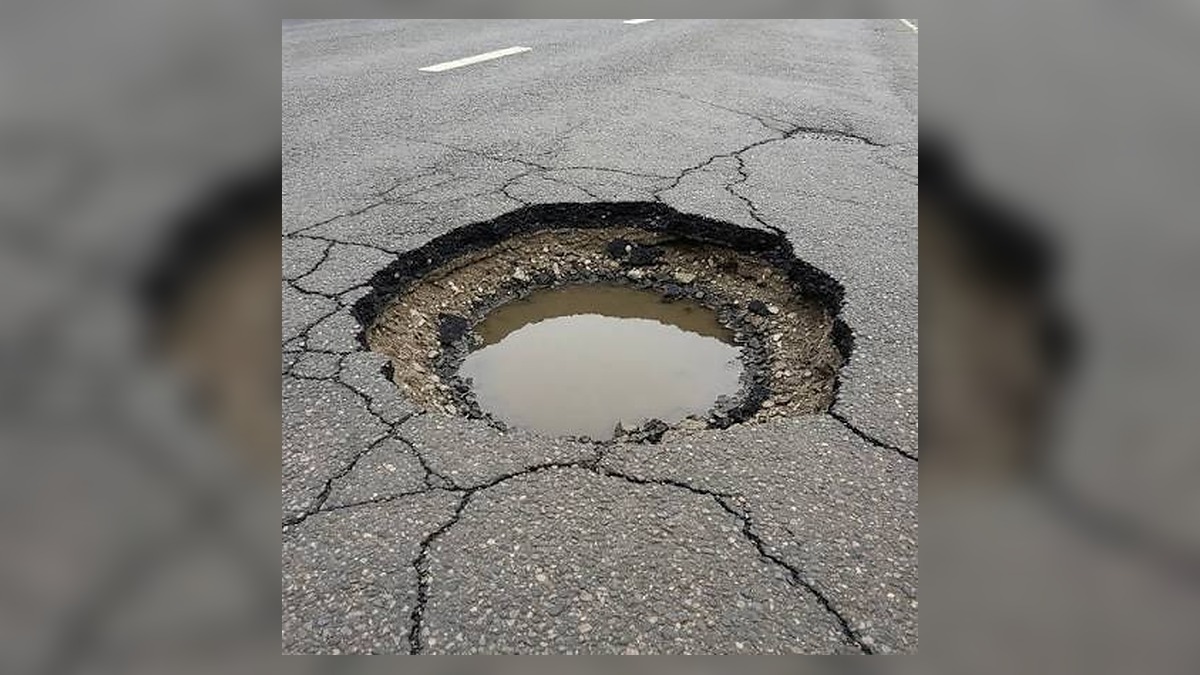
For South African motorists, hitting a pothole can turn an ordinary journey into an expensive repair bill. Damaged tyres, bent rims and suspension problems can quickly add up, but drivers may have legal avenues to seek compensation when road conditions are responsible for the damage.
Who can be held responsible depends largely on who manages the road where the incident occurred.
The Road Authority Determines Where to Claim
Potholes on national roads may give motorists grounds to submit a claim against the South African National Roads Agency (SANRAL), while damage occurring on municipal roads would generally be pursued against the relevant municipality or responsible public authority.
On toll roads, motorists would typically deal with the company or concessionaire responsible for that particular route, such as Bakwena or TRAC.
The Road Accident Fund (RAF) is not the appropriate avenue for recovering the cost of vehicle repairs. Its compensation framework relates to bodily injuries arising from road accidents rather than damage to a vehicle.
Evidence Could Make or Break a Pothole Claim
Drivers who suffer damage should first make sure they are in a safe location before documenting what happened.
Photographs should capture the pothole and the resulting damage to the vehicle, including tyres, wheels, rims or suspension components. Placing an object such as a shoe or bottle beside the pothole can provide a useful indication of its size in photographs.
A professional assessment of the vehicle’s damage can further support the claim. Evidence that the pothole had already been reported to the relevant authority and remained unrepaired may also strengthen a motorist’s case.
How to Submit a Claim
The precise procedure varies between municipalities and road authorities, but motorists will generally need to obtain and complete the appropriate public liability claim form.
Supporting documents can include photographs of the road defect and vehicle, a repair quotation or invoice, vehicle registration documentation and any other evidence relating to the incident.




The completed claim is then submitted through the relevant authority’s designated claims process, either electronically or in person, depending on its requirements.
Durban Drivers Face a Specific Claims Process
In Durban, for example, eThekwini Municipality requires motorists pursuing a road-damage claim to provide a claim affidavit and public liability claim form.
These documents must be accompanied by supporting evidence, including photographs and an invoice, before being submitted to the municipality’s finance claims department.
Motorists should therefore check the requirements of the particular authority responsible for the road before submitting their paperwork.
Insurance Could Offer Another Route
Drivers with comprehensive vehicle insurance should also examine their policy to determine whether pothole-related damage is covered.
Tyre and rim damage caused by potholes can be excluded under some policies, meaning motorists should not automatically assume that their insurer will pay for the repairs.
Where an insurer does cover the damage, motorists generally cannot recover the same loss twice by successfully claiming from both the insurer and the responsible road authority.
Rejected Claims Can Be Challenged
A road authority’s refusal to compensate a motorist does not necessarily end the matter.
Where the amount involved falls within the applicable Small Claims Court limit, a driver may be able to pursue the matter through that forum. For larger claims, formal legal steps, including a notice of intention to sue, may be required before further proceedings are initiated.
The strength of any case will depend on the available evidence and the circumstances surrounding the incident.
Drivers Also Have a Responsibility
Motorists should remember that road authorities are not automatically liable for every pothole-related accident.
Courts can consider contributory negligence, particularly where a driver was aware of dangerous road conditions but continued at a speed or in a manner that was unsafe for those conditions.
Drivers should therefore reduce their speed when approaching known pothole areas and avoid taking unnecessary risks, even where the condition of the road appears to be the primary cause of the damage.
For motorists who do suffer damage, however, documenting the pothole, preserving repair evidence and identifying the correct road authority can be important first steps towards determining whether compensation can be pursued.
- Mystery Deepens Over Sir Ranulph Fiennes as Family Launches Legal Fight to Find Legendary Explorer
- Driving Lesson Turns Deadly as Michigan Father Is Accidentally Run Over by Daughter
- Madonna’s VMA Comeback Exposes Tensions With Her Team as Family Pleads With Star to Take It Easy
- Trump Ally Alina Habba, 42, Set to Marry Turkish Businessman Turhan Mildon, 29, Just Months After Second Divorce
- South African Rugby Mourns Ghalieb Hendricks as Apartheid-Era Star’s Remarkable Legacy Is Remembered
- Tina Knowles Reveals Beyoncé Nearly Fell From Flying Stage Prop as She Recalls Terrifying Concert Scare

