
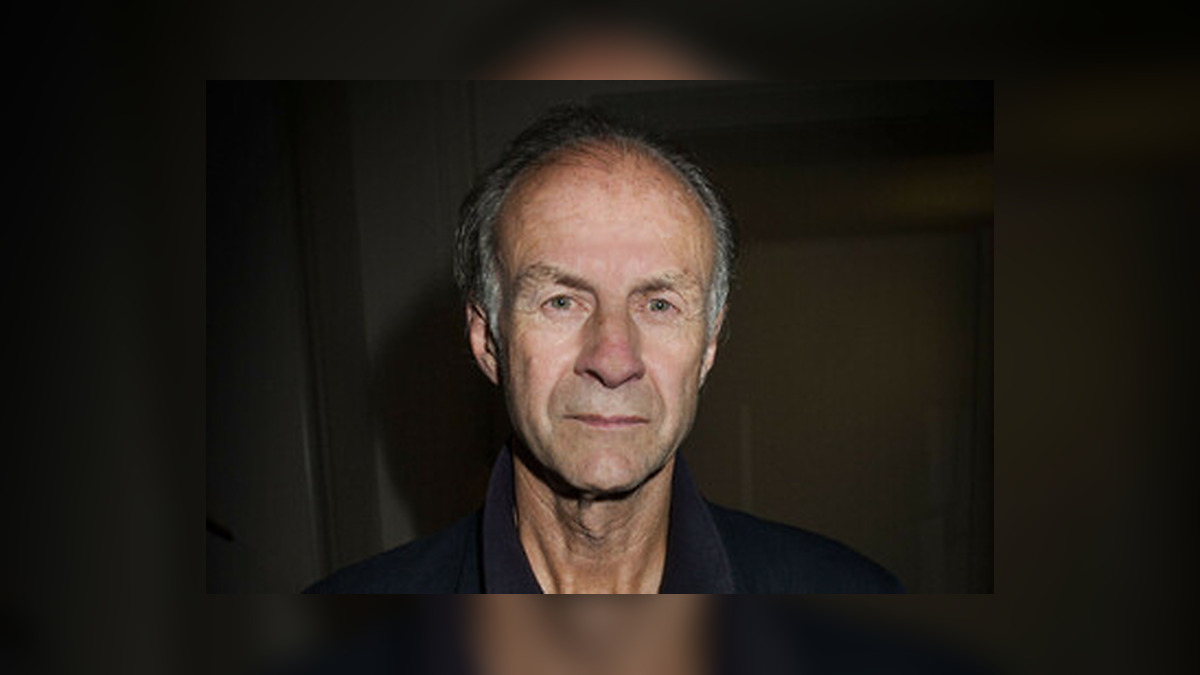
Sir Ranulph Fiennes, one of Britain’s most celebrated explorers, has become the focus of a growing dispute over his whereabouts and welfare after relatives and longtime friends raised concerns about his care.
The 82-year-old has reportedly not been seen publicly for almost two years. His family and associates say they have struggled to establish where he is living, while questions have also been raised about restrictions placed on contact with him.
The concerns have prompted a legal fundraising campaign by his stepson and calls for authorities to examine his circumstances. The controversy has also reportedly reached Buckingham Palace, with one longtime friend claiming that a member of King Charles’s staff said the monarch was concerned about Fiennes.
Questions surrounding a series of care homes
Fiennes has reportedly been moved between care facilities in London, Wales and northwest England since his wife, Louise Millington-Cotes, became involved in managing his affairs.
According to reports cited by The Independent and The Telegraph, some friends and relatives have faced difficulties visiting him. The Telegraph has also reported that visitors at one facility were required to sign non-disclosure agreements.
The situation became more contentious after a Welsh care provider raised concerns about the legal basis for restrictions placed on Fiennes while he was staying at the facility earlier this year.
The Care Inspectorate Wales reportedly concluded that he was being deprived of his liberty without the necessary authorisation. The regulator has since said it cannot comment on an individual’s personal circumstances, while explaining that deprivation-of-liberty safeguards exist to ensure restrictions on vulnerable people are lawful, necessary and in their best interests.
Stepson launches campaign to find him
Fiennes’s stepson, Alexander Millington-Cotes, has now turned to crowdfunding to help finance legal action aimed at establishing his stepfather’s whereabouts and safeguarding his interests.
He has said he has been unable to speak to Fiennes and has sought assistance from several police forces in areas where he believes the explorer may have been staying.
According to The Independent, Millington-Cotes visited a care facility in Cheshire but was told that Fiennes was no longer there. He also approached West Mercia Police and Cheshire Constabulary, although he said he had not received the responses he was seeking.
The campaign describes Fiennes as a “national treasure” and seeks to establish what he wants for his future care and living arrangements.
Friends say they have been unable to reach him
The concerns extend beyond his immediate family.




Michael Kobold, a former explorer who has worked with Fiennes for decades, has publicly backed efforts to establish where his friend is and what condition he is in.
Another longtime acquaintance, Anton Bowring, has claimed that he contacted Buckingham Palace last year and was told that the King was concerned about Fiennes. Buckingham Palace has not commented on the claim.
Veteran BBC correspondent John Simpson has also publicly expressed concern, calling for authorities to establish what has happened to his friend.
A final public appearance raised questions
Fiennes’ last reported public appearance came in October 2024, when a pre-recorded message was played during an event at the Royal Geographical Society.
He apologised for being unable to attend in person, saying he was not well enough to do so. His health has previously been a subject of public discussion, including his disclosure that he had been diagnosed with Parkinson’s disease years earlier.
According to reports, Millington-Cotes was granted lasting power of attorney around the same period and subsequently took on responsibility for decisions concerning his care.
The Office of the Public Guardian has said generally that a lasting power of attorney allows a trusted person to make certain decisions about care and finances when someone lacks the capacity to make those decisions themselves. The organisation has not commented on Fiennes’ individual circumstances.
Fiennes’ extraordinary exploration legacy
The controversy comes against the backdrop of an extraordinary career that made Fiennes an internationally recognised figure in exploration.
Between 1979 and 1982, he led the Transglobe Expedition, during which the team travelled around the world using surface transport and reached both the North and South Poles. He was subsequently recognised by Guinness World Records as the “greatest living explorer”.
His achievements also include becoming the first person to cross Antarctica on foot. Away from polar exploration, he famously completed seven marathons on seven continents within seven days.
His public profile has extended well beyond adventure. Fiennes comes from a prominent British family and has longstanding connections with members of the British establishment, including King Charles.
Legal questions now at the centre of the dispute
At the heart of the current controversy are questions about Fiennes’ legal protection, his care arrangements and the extent to which family and friends should be able to maintain contact with him.
The Welsh regulator’s reported concerns centred on whether the restrictions imposed on Fiennes while at the care facility had been legally authorised. Care providers are required to seek appropriate authorisation when an individual is under continuous supervision and control, is not free to leave and lacks the capacity to consent to their care arrangements.
Fiennes’ stepson has separately sought scrutiny of the lasting power of attorney held by his mother.
His campaign has therefore shifted the story from a private family dispute into a wider question involving safeguarding, legal authority and the rights of an elderly person receiving care.
Authorities have yet to provide answers
Despite the growing public attention, key questions remain unresolved.
Police forces contacted over concerns about Fiennes’ whereabouts had not publicly confirmed an investigation at the time of the latest reports. The Care Inspectorate Wales has declined to discuss his individual circumstances, while Buckingham Palace has also declined to comment on the reported contact.
Millington-Cotes and other people close to Fiennes are continuing to seek information about where he is and whether his current arrangements reflect his wishes.
For now, the circumstances surrounding the celebrated explorer’s disappearance from public life remain disputed, with relatives, friends and care-sector authorities offering different pieces of a story that has yet to be fully explained.

