
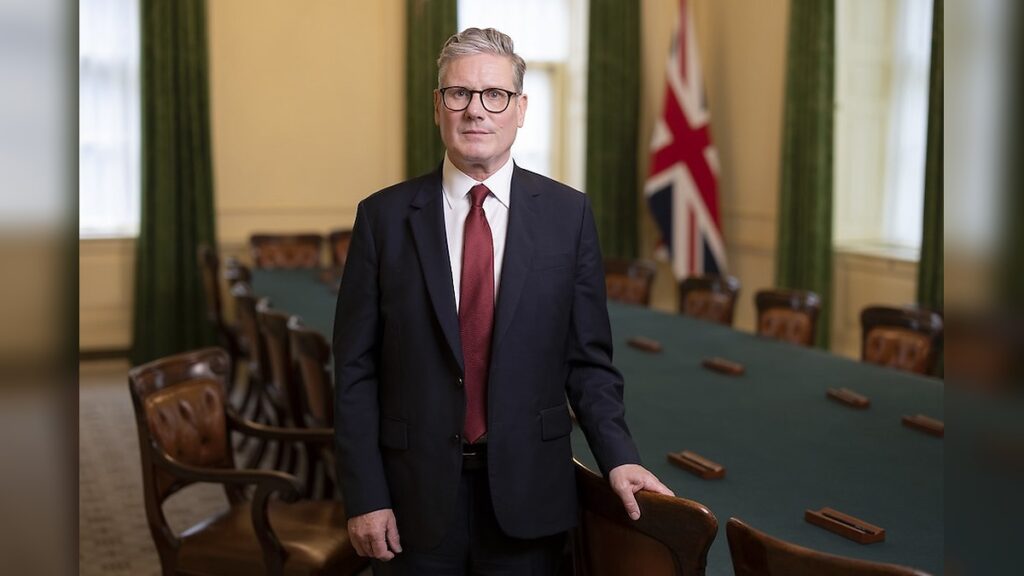
Prime Minister Keir Starmer has delivered a formal apology in Parliament on behalf of the British government to the thousands of mothers, adopted children and families affected by historic forced adoption practices in England, describing the policies as a profound failure of the state.
Speaking in the House of Commons, Starmer acknowledged decades of institutional wrongdoing and announced a series of measures aimed at improving access to records, expanding support services and ensuring the experiences of those affected are permanently documented.
Prime Minister Meets Survivors Before Commons Statement
Before addressing Parliament, Starmer met privately at Downing Street with mothers and adults who were adopted under the historic system. Many of those campaigners later watched the statement from the public gallery of the House of Commons.
The Prime Minister praised their resilience and determination, saying their willingness to share deeply personal experiences had helped expose practices that should never have occurred.
He said hearing their testimonies was emotionally difficult, particularly as a parent, while recognizing that reliving those experiences had been far more painful for those directly affected.
Forced Adoption Practices Described as National Failure
Starmer said the forced separation of mothers from their children represented a dark chapter in England’s history, affecting tens of thousands of families over several decades.
He explained that many young and vulnerable women were pressured, misled or coerced into giving up their babies, often believing they had no alternative.
According to the Prime Minister, these actions were not isolated incidents but reflected widespread institutional practices involving local authorities, faith organizations, voluntary agencies and health and social care services, including parts of what is now the National Health Service.
Women Faced Isolation, Coercion and Abuse
The Prime Minister said the practices were particularly common between 1949 and 1976, although some cases extended beyond that period.
Many women placed in mother-and-baby homes and similar institutions were separated from their families, education and employment while living under restrictive conditions.
He said some suffered treatment that amounted to exploitation and abuse, while others were made to feel ashamed because they became pregnant outside marriage.
Children who were adopted often grew up believing they had been rejected by their birth families, while fathers were frequently excluded from decisions involving their children.
Formal Apology Extended to All Those Affected
During his statement, Starmer issued a comprehensive apology to everyone impacted by the historic system.




He acknowledged the suffering experienced by mothers who lost children they wanted to raise, adopted adults deprived of knowledge about their origins, fathers denied involvement in family decisions and extended families who lived with the lasting consequences.
The apology also recognized individuals who faced racism, cultural separation or discrimination within the adoption system, including those adopted across borders who lost connections to their heritage and identity.
“The shame was never yours,” Starmer said, adding that responsibility rested with the state and the institutions that enabled the practices.
Government Accepts Responsibility for Systemic Failures
The Prime Minister said successive governments funded and legitimized systems that failed to protect vulnerable families.
He acknowledged that the state did not provide adequate oversight and allowed harmful practices to continue unchecked.
According to Starmer, the government’s apology represents recognition that public institutions failed in their duty to safeguard mothers, children and families from unnecessary trauma.
New Measures Aim to Improve Access to Records
Alongside the apology, the government announced several initiatives intended to help those seeking information about their personal histories.
Plans include developing a national online resource that will serve as a central access point for adoption records held across England.
The government will also consult on proposals requiring adoption-related records to be preserved for 100 years, helping ensure they remain available throughout the lifetimes of those affected.
In addition, local authorities and adoption agencies will be instructed to respond to record requests promptly and with greater compassion.
Expanded Support Services Planned
The government also pledged to increase access to intermediary services, particularly for individuals affected by pre-1976 adoption cases, where support has often been limited.
National virtual peer-support groups for mothers and adopted adults will be established to provide trauma-informed assistance and opportunities for shared experiences.
Officials will also work with NHS England to improve awareness among healthcare professionals about the long-term effects of forced adoption.
The health service will explore ways for individuals to have their adoption experiences appropriately recorded in their medical records if they choose.
Testimonial Project to Preserve Personal Histories
To ensure the experiences of survivors are permanently recognised, the government will commission a national testimonials project documenting the stories of those affected by historic forced adoption.
The initiative aims to preserve first-hand accounts while helping future generations understand the lasting consequences of the policies.
Ministers also committed to continuing regular engagement with people who have lived experience to help shape future support services.
Government Commits to Learning From the Past
Starmer said the apology builds on similar acknowledgements previously made by the devolved governments in Scotland and Wales and welcomed ongoing efforts in Northern Ireland to establish a statutory public inquiry into mother-and-baby institutions, Magdalene laundries and workhouses.
He also thanked parliamentary committees and campaigners whose years of advocacy helped bring the issue to national attention.
Concluding his address, the Prime Minister said the apology was intended not only to recognise past injustices but also to ensure such practices can never be repeated, telling those affected that the nation now sees them, hears them and is sincerely sorry for the harm they endured.

