
The sharing of US intelligence on Iran and other international security threats has slowed during President Donald Trump’s second term, with some reports temporarily withheld from Congress and other parts of the federal government.
Eight current and former officials and people briefed on the situation told Reuters that the disruptions had affected the flow of information used by policymakers to assess national security risks.
Former intelligence officials and outside experts warned that reduced coordination could leave decision-makers without a complete understanding of threats facing the United States. They compared the concerns with intelligence failures exposed after the September 11, 2001, al-Qaeda attacks.
The slowdown comes as the Trump administration considers whether to resume military strikes against Iran after Tuesday’s midterm elections.
CIA Stops Co-Authoring Assessments With National Intelligence Council
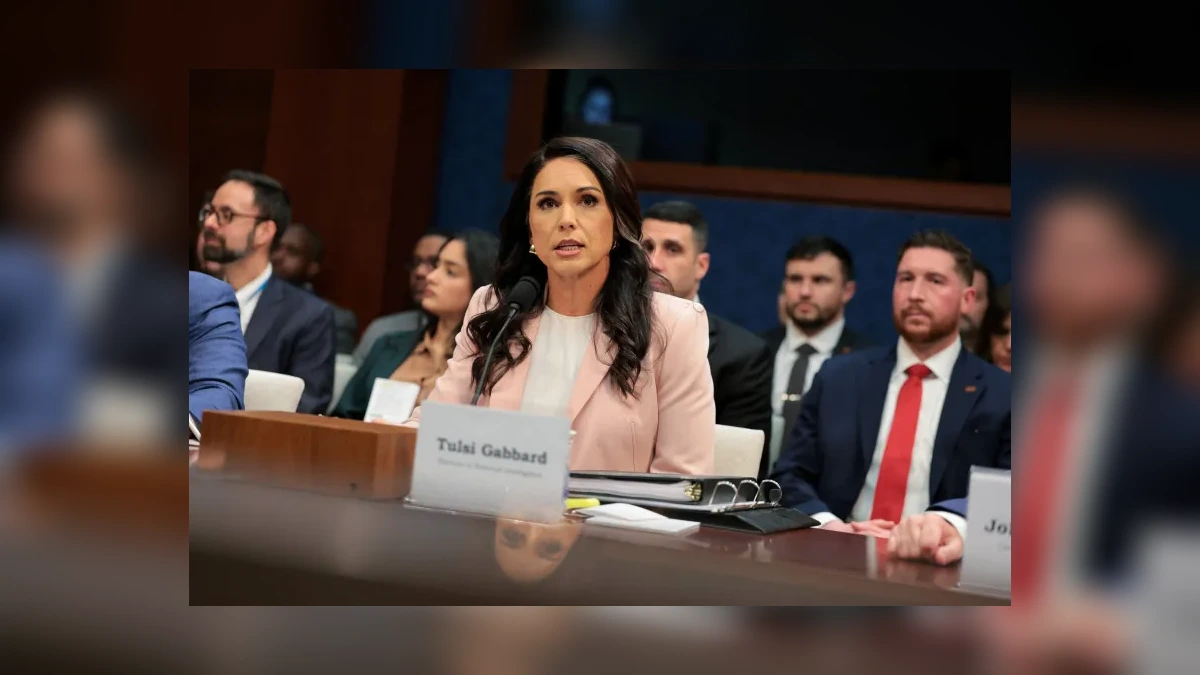
The problems developed during Tulsi Gabbard’s time as director of national intelligence, when tensions between her office and the CIA affected cooperation between the agencies.
Although relations have eased since Gabbard resigned in June, two US officials familiar with the situation said some of the consequences of the dispute remain.
The CIA has stopped co-authoring assessments with the National Intelligence Council (NIC), an analytical body within the Office of the Director of National Intelligence (ODNI), according to the officials.
The change has reduced the number of reports bringing together the intelligence community’s assessments for government decision-makers on issues including Iran.
The NIC traditionally combines information and analysis from the country’s 18 intelligence agencies to provide a broader assessment of international developments.
Intelligence Reports Were Temporarily Withheld From Lawmakers
Congressional lawmakers and their staff also experienced interruptions in access to intelligence reports from Gabbard’s office.
Two people familiar with the matter said the reports briefly stopped reaching Congress in the days following the US military intervention in Iran in June 2025 and again after the capture of former Venezuelan president Nicolás Maduro in January 2026.
Gabbard’s team had accused members of Congress of leaking information to the media, according to the people.
Her office also stopped briefing Congress on election threats in 2025, two people familiar with the matter and a former US official said.
The briefings resumed after Jay Clayton became director of national intelligence in August.
Staff Cuts and Political Tensions Affect Intelligence Work
The disruptions emerged amid significant reductions in staffing across national security agencies, including the ODNI and CIA.
The cuts accompanied Trump’s efforts to remove or sideline officials he considered disloyal to his administration.
Two former officials and a serving US official told Reuters that some analysts still working within intelligence agencies had become cautious about producing assessments that contradicted the White House’s positions because they feared political retaliation.
They did not identify the specific subjects on which analysts were reluctant to express opposing views.
Julia Curlee, a former CIA analyst who said she was dismissed from the Trump National Security Council last year because she is transgender, criticised the administration’s approach to intelligence assessments.




She said analysts continued carrying out their work but that information unwelcome to the president was being treated as a sign of disloyalty.
The White House did not respond to Reuters’ request for comment.
CIA and ODNI Dispute Required White House Intervention
The disagreement between the CIA and ODNI was described by officials as one of the most significant disputes between major US intelligence agencies in three decades.
The ODNI was established following the September 11 attacks to improve coordination across the intelligence community.
Three former officials said the conflict intensified after Gabbard’s office revoked the security clearances of serving and former intelligence officials about a year ago.
The dispute became serious enough that White House Chief of Staff Susie Wiles intervened several times to ease tensions between the agencies.
Reuters had previously reported on the disagreements between the CIA and ODNI.
National Intelligence Council Produces Fewer Assessments on Iran
The CIA’s decision to stop contributing to the NIC’s assessments has affected the council’s ability to produce reports for policymakers.
For decades, the NIC has served as an important source of analysis for lawmakers and government officials making foreign policy decisions.
The council relied heavily on the CIA for assessments of countries and issues including Iran and Russia.
Although the agency continued sharing intelligence with the NIC and cooperating on some reports, its analysts increasingly concentrated on producing assessments independently.
Two people familiar with the matter said the NIC had slowed production after losing the CIA as a major contributor, with staffing reductions also affecting its operations.
Five current and former officials said none of the council’s assessments had focused on the war in Iran since the change.
An ODNI official disputed the suggestion that the council’s overall output had declined significantly, saying its assessment levels remained close to historical trends.
The official also said Clayton recognised the importance of the NIC and had supported its work.
Former Intelligence Officials Warn of Reduced Coordination
Former officials have raised concerns that the changes could create further divisions between intelligence agencies.
Morgan Muir, who served as deputy director of national intelligence during the Biden administration and briefed former president George W. Bush, said weakening institutions responsible for coordinating intelligence could make it easier for decision-makers to rely on separate sources of information rather than a combined assessment.
Beth Sanner, a former deputy director of national intelligence during Trump’s first term, also warned that policymakers were receiving a less integrated understanding of international threats.
She said the growing complexity of global security challenges made comprehensive intelligence assessments particularly important.
Congressional Election Threat Briefings Resume Under Clayton
Clayton’s appointment as director of national intelligence in August was followed by the resumption of congressional briefings on election threats.
In a statement to Reuters, the ODNI said Clayton remained committed to ensuring that the office and the wider intelligence community had the resources required to inform government decision-makers and protect Americans.
The statement also said the director recognised the value of the National Intelligence Council.
FBI Also Suspended Some Intelligence Sharing With Counterterrorism Centre
The dispute between intelligence agencies extended beyond the CIA and ODNI.
Two former officials said the FBI stopped sharing some intelligence with the National Counterterrorism Center for several weeks late last year.
The interruption followed an attempt by the centre’s then-director, Joe Kent, and members of his staff to investigate the shooting of Turning Point USA founder Charlie Kirk.
FBI leaders told Kent they believed the counterterrorism centre was exceeding its authority.
The FBI did not respond to Reuters’ request for comment.

