
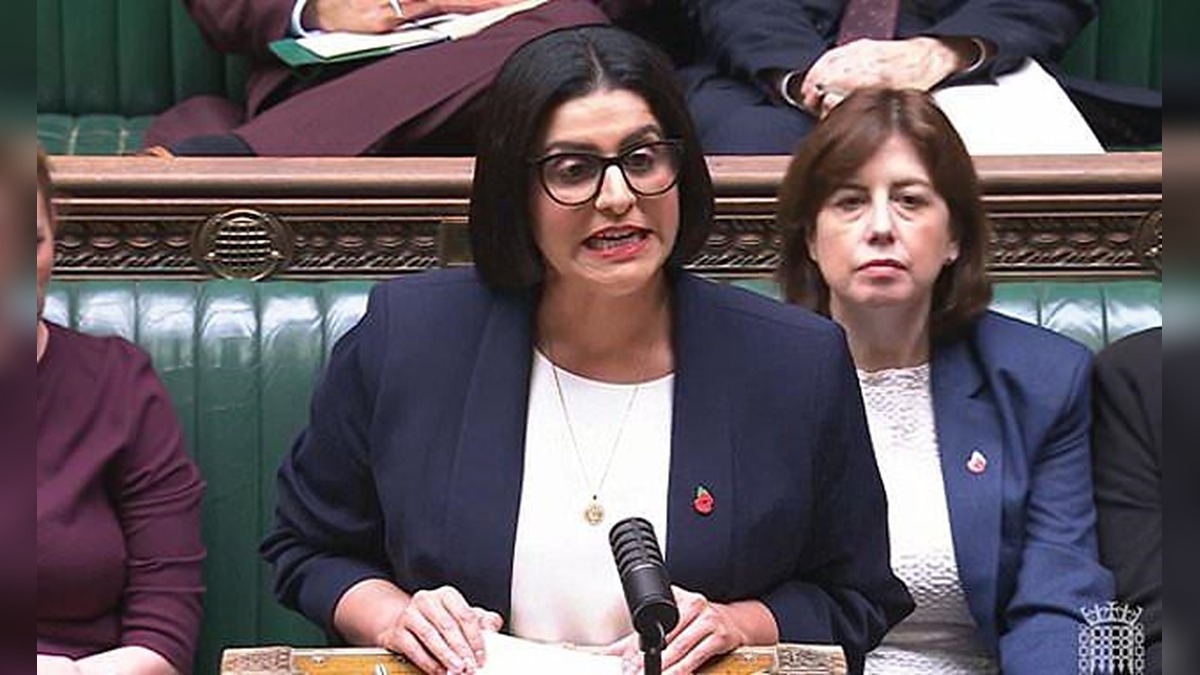
Home Secretary Shabana Mahmood has warned that restoring freedom of movement between the UK and European Union would raise significant concerns, adding to growing divisions within Labour over the country’s future relationship with the bloc.
Speaking to Sky News, Ms Mahmood said Prime Minister Keir Starmer had previously acknowledged the difficulties associated with free movement and argued that the issue should form part of the national debate about Britain’s post-Brexit arrangements.
“What I am keen on is abiding by our manifesto,” she said when asked about Greater Manchester Mayor Andy Burnham’s comments on potentially reversing Brexit.
She added that the Prime Minister had recognised there were “significant issues with the free movement of people”, which should be considered when discussing the UK’s future relationship with the EU.
Mahmood Highlights Loss of European Migration Databases
The Home Secretary also addressed concerns about Britain’s ability to manage migration since leaving the European Union.
Asked whether rejoining the bloc could give the UK greater control over immigration, Ms Mahmood pointed to the loss of access to EU-wide databases following Brexit.
She said the loss of access had “had a very significant impact on us and our ability to manage migration into this country”.
Her comments came after Burnham reignited discussions about the possibility of closer ties with the EU, including the potential implications of restoring freedom of movement.
Burnham Insists He Has Not Proposed Restoring Free Movement
Mr Burnham sought to distance himself from suggestions that he was advocating an immediate return to EU freedom of movement.
Speaking separately to ITV, he said: “I have not proposed freedom of movement coming back.”
He argued that the country needed an open discussion about changes in immigration patterns since the 2016 Brexit referendum.
According to the Greater Manchester Mayor, the movement of European citizens who previously came to Britain for shorter periods before returning home had been replaced by larger numbers of people settling in the UK permanently.
He described the change as the “Boriswave”, adding that it had contributed to increased long-term migration.
Burnham also linked Brexit to the UK’s difficulties in addressing illegal migration, arguing that Britain could no longer share certain data with its European partners.




He said the loss of information-sharing arrangements had “led to more illegal migration because we can’t share data anymore”.
Burnham Says Public Opinion on Brexit Has Changed
Burnham’s comments have attracted attention partly because of his previous commitment not to reopen Brexit arguments during his campaign in Makerfield, a constituency that voted to leave the European Union in 2016.
He said his experience campaigning in the constituency had shown him that public attitudes towards Brexit had shifted over the past decade.
“I think public opinion has changed nationally,” he said.
However, he insisted that he would not advocate policies that moved ahead of public sentiment.
“I will not run ahead of public opinion. The public need to be the boss when it comes to whatever happens with Brexit,” he added.
Conflicting Statements Create Uncertainty Over Labour’s Brexit Position
The debate has generated confusion within Labour, particularly over the party’s existing manifesto commitments against rejoining the EU customs union and single market.
Burnham initially indicated that there would be no change to the government’s position during the current Parliament, while suggesting that the next general election could potentially be fought on a proposal to return to the European Union.
However, in another interview, he answered “no” when asked whether he would support restoring freedom of movement without holding a referendum.
Downing Street subsequently clarified that Burnham was not leaning towards a particular position on the UK’s future relationship with the EU or whether a national referendum would be necessary.
The uncertainty has intensified questions about how Labour intends to approach its Brexit policy beyond the current Parliament.
Burnham Tells Ministers to Avoid Publicly Backing Specific EU Options
In a letter to Cabinet ministers, Burnham urged members of the government to avoid publicly promoting individual positions on the UK’s future relationship with the European Union.
He said that after the EU-UK summit scheduled for later this month, government policy would focus on examining possible long-term arrangements for consideration in the next Parliament.
The letter stated that the government would eventually present the country with the advantages and disadvantages of the available options.
Burnham also stressed the importance of maintaining a consistent government position throughout the process.
He wrote that it would not be appropriate for individual ministers to advocate specific proposals or express opinions about the likely outcome of the discussions.
Asylum Minister Prioritises Immigration Controls
Meanwhile, asylum minister Anna Turley declined to endorse a return to freedom of movement when questioned about the issue on Sky News.
She said her immediate priority was addressing problems within the existing immigration system.
Turley highlighted the need to improve employment opportunities for young people in her constituency, tackle illegal migration through small boat crossings and strengthen the government’s ability to remove people who have no right to remain in the UK.
She said her focus was on establishing an immigration system that was controlled and no longer chaotic.
