
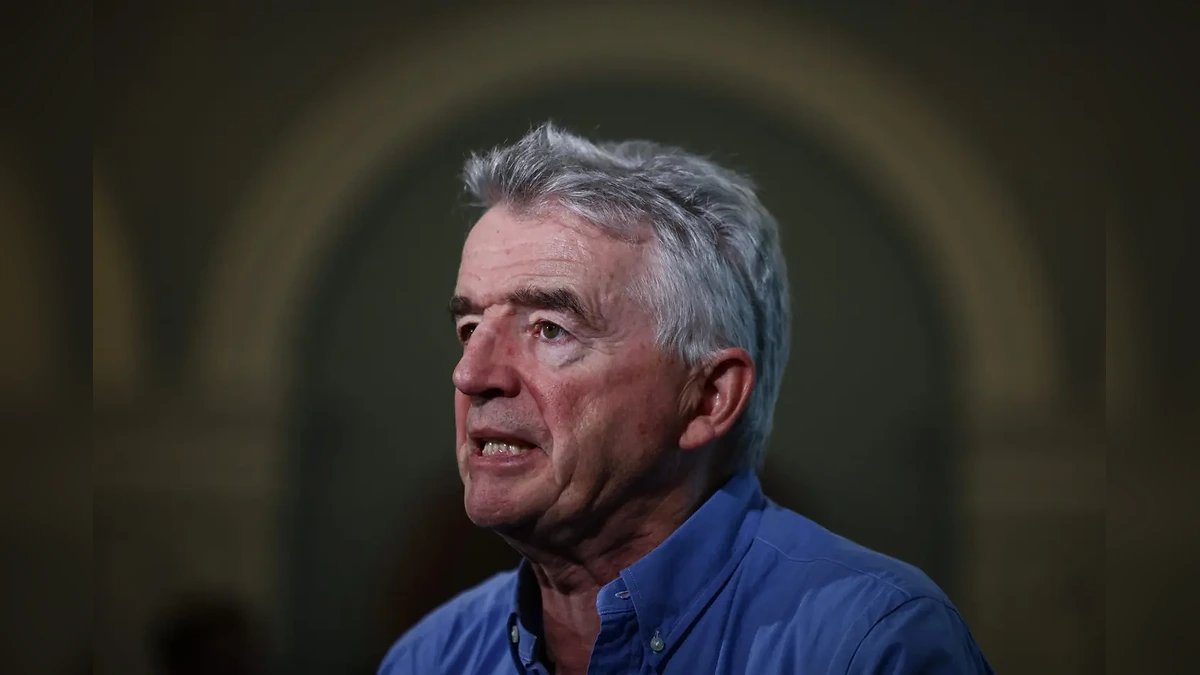
Americans planning trips to Europe next summer could face higher flight costs after Ryanair warned that airfares across the continent may increase significantly in 2027.
Michael O’Leary, chief executive of Europe’s largest airline by passenger traffic, said he expects fares to rise by between 10% and 20% next year as airlines contend with higher fuel prices linked to the war involving Iran.
Speaking to CNBC after Ryanair’s earnings call on Monday, O’Leary said the increases could affect travellers planning to visit several European destinations during one holiday.
The warning comes as Europe remains a major destination for American tourists. Nearly 24 million trips from the United States to Europe were recorded in 2025, representing a 5% increase on the previous year.
Summer is among the busiest periods for European tourism. Between June and August this year, the continent’s aviation network handled an average of 35,959 flights daily, up 2.4% from the same period in 2025, according to the European Organisation for the Safety of Air Navigation.
Rising Oil Prices Increase Airlines’ Operating Costs
The war involving Iran has disrupted global supply chains and affected oil shipments through the Strait of Hormuz, a route that carried approximately 20% of the world’s oil before the conflict.
The resulting pressure on oil and jet fuel prices has increased operating costs for airlines, where fuel is the second-largest expense after labour.
Ryanair’s latest financial results indicate how the increase could affect ticket prices in the coming year, although the airline has some protection through agreements that allow it to secure fuel at predetermined prices.
Ryanair’s Fuel Agreements Provide Temporary Protection
Ryanair has used fuel hedging to limit its exposure to sudden price increases. The arrangement involves securing fuel prices in advance to reduce the impact of market fluctuations.
O’Leary said the airline had fixed the price of 80% of its fuel requirements through March 2027 at $67 per barrel.
However, its protection is more limited beyond that period. Only 25% of the airline’s fuel needs for the following financial year have been hedged, at approximately $95 per barrel.
Brent crude was trading at around $110 per barrel on Monday, representing an increase of about 70% compared with the same time last year.




Ryanair Faces a €2 Billion Increase in Annual Fuel Spending
During its second-quarter financial results announcement on Monday, Ryanair said its annual fuel bill is expected to increase by approximately €2 billion in the financial year ending March 2028.
O’Leary said a 20% increase in fares, equivalent to about €10 per passenger, would be required to cover the additional expense. He also acknowledged that higher ticket prices might not fully offset the increase in fuel costs.
The airline is therefore reviewing other areas of expenditure. Measures under consideration include temporary pay freezes for labour agreements due for renewal in April and reductions in crew ratios.
US Travellers Also Face Higher Airfares
The warning comes as American consumers contend with rising prices across several sectors, including travel.
US airfares increased by 22.4% in September compared with the same month a year earlier, according to the Bureau of Labor Statistics. The rise was approximately six times the overall inflation rate.
The Bureau of Transportation Statistics reported that the average domestic airfare reached $445 in the second quarter.
Unlike Ryanair, major US airlines abandoned fuel hedging years ago, leaving them more directly exposed to increases in fuel prices.
Ryanair Cuts Passenger Target as Airlines Reduce Flights
Higher fuel expenses could also lead to fewer flights being offered across Europe.
Ryanair has already reduced its annual passenger target from 216 million to 214 million for the financial year ending in March. The airline also expects winter passenger traffic to remain flat as it limits its exposure to more expensive fuel.
O’Leary said other European airlines were already reducing capacity. With fewer seats available, passengers could face higher fares as they compete for the remaining flights.
Higher Fares Could Strengthen Ryanair’s Position
Despite warning about rising ticket prices, O’Leary said the increase in costs could also benefit Ryanair if competing airlines face greater financial pressure.
He argued that other carriers would have little choice but to increase their fares, allowing Ryanair to raise prices while retaining its low-cost position in the market.
“They are under much more pressure to get pricing up,” he said during the earnings call.
O’Leary added that Ryanair could maintain or potentially widen its profit margins as competitors increase their prices.
Holidaymakers Could Pay More for Multiple European Destinations
The projected increases could add considerably to the cost of holidays involving several flights.
A ticket currently priced at €50 would rise to €60 following a 20% increase. Although the difference is €10 for one passenger, the additional expense could accumulate for families or travellers visiting several destinations.
O’Leary advised people planning to travel next summer not to delay purchasing their tickets in the hope of finding cheaper fares later.
“I would encourage them all to book early, because the longer you wait, the higher fare you are going to pay,” he said.
