
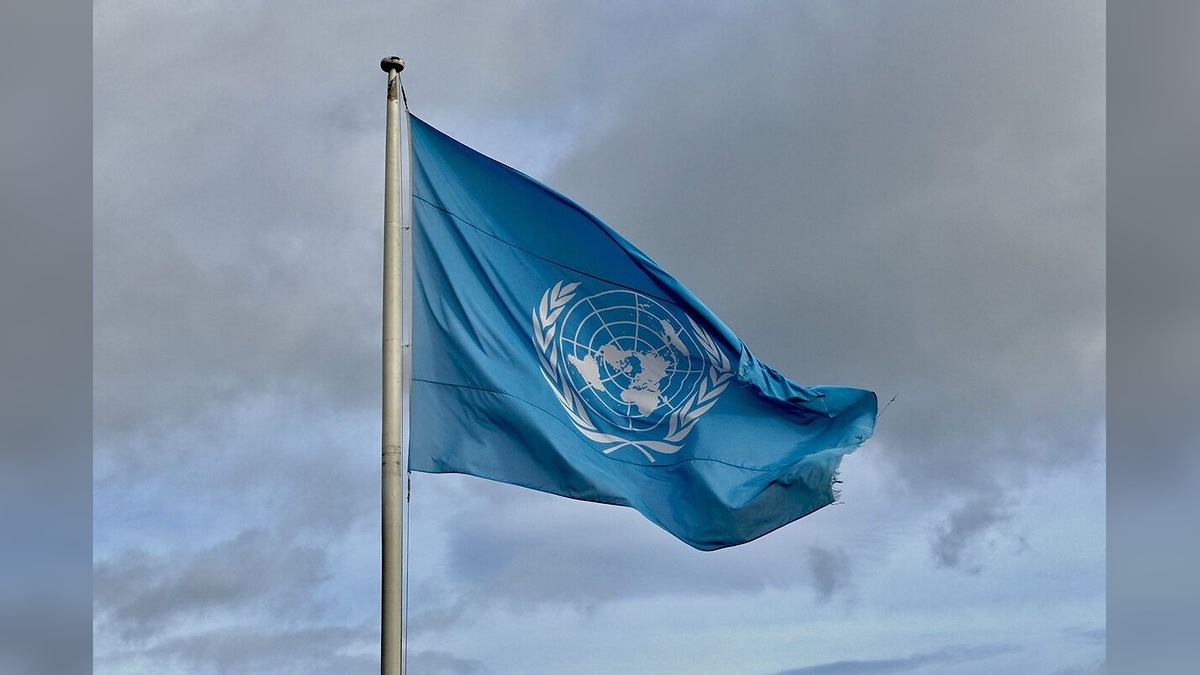
South Africa has joined other countries in supporting a United Nations initiative to strengthen international action against illegal mining and organised criminal networks involved in environmental offences.
The country co-sponsored a resolution adopted in Vienna on 23 October 2026. The government welcomed the decision this week, describing it as a significant development in efforts to improve cooperation between countries.
The resolution received 83 votes in favour, 12 against and 27 abstentions. It does not immediately introduce new laws or impose additional legal obligations on participating countries. Instead, it begins negotiations towards a proposed international protocol under the UN Convention against Transnational Organised Crime.
Proposed Agreement Extends Beyond Illegal Mining
The planned protocol is expected to address several forms of environmental crime, including illegal mining and the trafficking of minerals and precious metals.
Its proposed scope also includes the illegal trade in wildlife, timber and waste.
Countries involved in the negotiations will consider measures to strengthen criminal investigations, prosecutions and cooperation between law-enforcement agencies dealing with offences that cross national borders.
South Africa’s Department of Forestry, Fisheries and the Environment welcomed the resolution, saying the process could provide a framework for addressing organised environmental crime internationally.



South Africa Seeks Action Against Cross-Border Mining Networks
Illegal mining remains a significant law-enforcement challenge in South Africa, where police have conducted operations to disrupt illicit mining activities and arrest those involved.
Operations such as Vala Umgodi in the Northern Cape have targeted illegal mining, but criminal activities involving minerals and other resources can extend beyond individual countries.
International networks may take advantage of differences in national legislation and enforcement systems when moving illegally obtained minerals, money and other goods across borders.
South Africa’s environmental affairs department said the proposed protocol could help address these weaknesses by improving coordination between countries.
Government Departments and Law-Enforcement Agencies Support Initiative
The South African effort involved cooperation between the Department of Forestry, Fisheries and the Environment, the Department of International Relations, the National Prosecuting Authority and the South African Police Service.
Environmental Affairs Minister David Maynier said tackling environmental crime required countries to address the organised networks behind these activities rather than treating individual offences as isolated incidents.
The proposed international agreement is intended to strengthen the ability of authorities to pursue criminal operations that operate across national boundaries.
Existing South African Laws Remain in Force During Negotiations
Although the UN resolution establishes a process for developing a new international protocol, countries must first agree on its terms before any additional obligations can take effect.
South Africa will therefore continue using its existing legislation, police operations and cooperation arrangements with international partners while negotiations proceed.
If adopted, the protocol could give participating countries additional mechanisms for investigating and prosecuting cross-border environmental crimes.
Its eventual impact will depend on the provisions agreed during negotiations and how individual countries implement them.
