
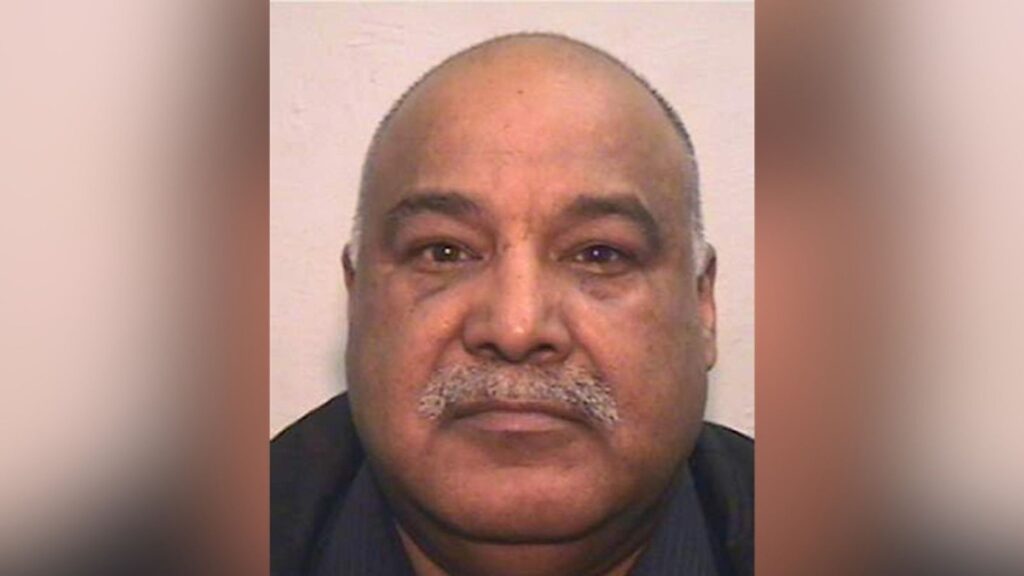
The diplomatic dispute between the United Kingdom and Pakistan over convicted Rochdale grooming gang leader Shabir Ahmed has intensified, with Pakistani officials insisting that Britain alone must deal with his future.
The disagreement comes as the UK government explores legal changes aimed at enabling his deportation, despite Pakistan’s repeated refusal to accept him.
Pakistan Insists Ahmed Is Britain’s Responsibility
Pakistan’s Ministry of Foreign Affairs has firmly stated that Shabir Ahmed is a matter for British authorities, arguing that he spent virtually his entire adult life in the UK and committed all of his crimes there.
Foreign ministry spokesperson Tahir Andrabi said Ahmed should be regarded as a British national for practical purposes, emphasizing that decisions surrounding his release, legal status, and supervision fall solely within the jurisdiction of the United Kingdom.
He argued that Ahmed’s upbringing and adult life in Britain made the issue one for UK authorities rather than Pakistan.
Controversial Remarks Spark Political Backlash
Andrabi also suggested that Ahmed had been “spoiled” during his years living in Britain, comments that quickly triggered criticism from British politicians.
Shadow Home Secretary Chris Philp condemned the remarks as offensive, arguing that shifting responsibility away from Pakistan was unacceptable.
He reiterated calls for convicted foreign-born child sex offenders to be removed from the UK wherever possible.
Pakistan, however, stressed that it strongly condemns child sexual abuse and believes offenders should face the full force of the law regardless of their ethnicity, religion, or nationality.
Ahmed’s Crimes and Conviction
Ahmed, now 73, led one of the notorious grooming gangs responsible for sexually exploiting vulnerable girls across Greater Manchester.
Prosecutors said victims were repeatedly abused in locations including rooms above takeaway shops in Oldham and Rochdale, while some were transported between towns for further exploitation.
In 2012, he received lengthy prison sentences totaling decades after being convicted of numerous child rape, trafficking, and child sexual abuse offences.
He was released from prison last month after serving part of those sentences.




Citizenship Dispute Complicates Deportation
Attempts to deport Ahmed have become entangled in a complex legal and diplomatic dispute.
Reports indicate that Ahmed renounced his Pakistani citizenship after leaving Pakistan in 1967 as a teenager.
Although a previous UK government revoked his right to remain in Britain, his removal has been blocked by provisions within the Immigration Act 1971.
The legislation, originally introduced to safeguard the rights of certain Commonwealth citizens, prevents the deportation of individuals in Ahmed’s circumstances despite serious criminal convictions.
UK Government Seeks Legal Reform
Home Secretary Shabana Mahmood has announced plans to amend the Immigration Act 1971 in an effort to close the legal loophole preventing Ahmed’s deportation.
However, legal reform alone may not resolve the matter.
Even if British law is amended, deportation would still depend on Pakistan agreeing to receive Ahmed—a position Islamabad has repeatedly rejected.
British officials continue to engage with Pakistani authorities in hopes of reaching an agreement.
Downing Street Maintains Diplomatic Pressure
The Prime Minister‘s office says discussions with Pakistan remain ongoing at senior diplomatic levels.
A Downing Street spokesperson said the government is pursuing every available avenue to remove Ahmed from the UK, despite Pakistan’s continued refusal to cooperate.
The case has become a high-profile test of Britain’s deportation policies and its ability to remove foreign-born offenders when international cooperation is lacking.
Foreign Aid Continues Despite Diplomatic Tensions
The dispute has unfolded alongside the UK government’s approval of £153 million in foreign aid for Pakistan.
Officials stressed that the funding is directed to charities and development organisations rather than the Pakistani government itself.
According to the Foreign Office, the programme is intended to strengthen resilience, improve security, and reduce migration-related risks that could ultimately affect the United Kingdom.
What Happens Next?
The future of Ahmed’s immigration status remains uncertain.
The UK government is pursuing legislative changes while simultaneously attempting to persuade Pakistan to reconsider its position.
Until both the legal obstacles and diplomatic impasse are resolved, Ahmed is expected to remain in Britain despite repeated government pledges to deport him.
Summary
Pakistan has refused to accept convicted Rochdale grooming gang leader Shabir Ahmed, insisting responsibility lies entirely with Britain because he lived most of his life there and committed his crimes in the UK.
British ministers are seeking changes to immigration law that could permit his deportation, but any removal would still require Pakistan’s cooperation, leaving the case at the center of an ongoing diplomatic and legal deadlock.
