
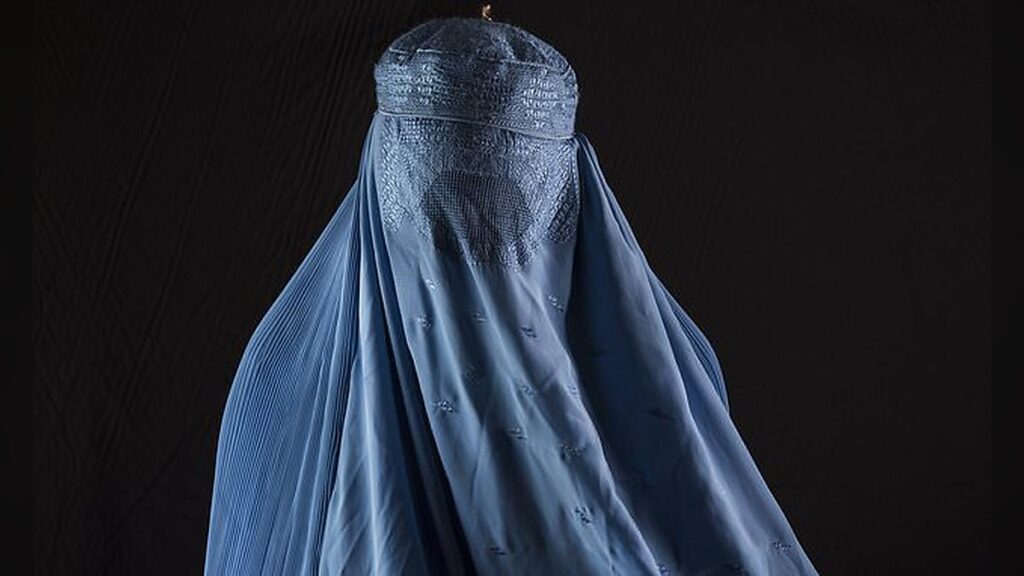
Denmark is preparing to widen its restrictions on full-face Islamic veils by prohibiting burkas and similar face coverings in schools and universities.
The proposal forms part of a broader government strategy aimed at addressing what officials describe as the growth of “parallel societies” and strengthening social integration across the country.
Government Seeks to Extend Existing Face Covering Rules
The Scandinavian nation already enforces a nationwide ban on full-face coverings in public spaces, a law introduced in 2018.
Under the existing legislation, individuals who violate the rule can face fines of up to £1,300.
If approved, the new legislation would apply those restrictions to classrooms and educational institutions, preventing students from wearing burkas during lessons at schools and universities.
Proposal Linked to Campaign Against “Parallel Societies”
The planned expansion was disclosed by the Danish newspaper Berlingske, which cited a statement from the country’s immigration ministry.
According to the ministry, the government intends to revive legislative proposals that were not completed before the previous election.
Among the measures is a bill designed to strengthen efforts against what Denmark calls “parallel societies” and what officials describe as “negative social control.”




In Danish policy, the term “parallel societies” generally refers to residential districts where more than half of residents have an immigrant background.
Critics Question the Need for Classroom Ban
While Prime Minister Mette Frederiksen’s government argues the proposal supports integration and shared social values, opponents have questioned whether additional restrictions are necessary.
Critics note that the wearing of burkas in Danish schools and universities is believed to be uncommon, arguing that the proposed classroom ban addresses a practice that has limited presence in the country’s education system.
Denmark Maintains One of Europe’s Toughest Immigration Policies
The latest proposal follows several years of increasingly strict migration and integration policies introduced under Denmark’s Social Democratic government, which took office in 2019 with a pledge to reduce migration while preserving what it described as Danish national identity.
Among the government’s measures are mandatory Danish language requirements for newly arrived migrants and their children, with asylum-related benefits potentially affected if language obligations are not met.
Authorities have also implemented policies that distribute immigrant populations across different municipalities in an effort to prevent the formation of concentrated migrant communities under legislation commonly known as the “ghetto law.”
Additional Measures Target Migration and Integration
Denmark has also granted border authorities the power to confiscate valuables, including jewellery and watches, from certain incoming migrants to help offset the costs of accommodation and support.
The government additionally offers voluntary financial incentives of approximately £4,500 to migrants who choose to return permanently to their countries of origin.
Under Danish rules, asylum protections can also be reassessed if authorities determine that conditions have improved in a migrant’s home country.
For example, if a country is officially considered safe, some refugees may lose their residency status and become eligible for repatriation.
Broader Cultural Policies Continue to Spark Debate
The proposed expansion of the burka ban comes amid wider government efforts to reinforce cultural integration.
Last month, ministers also announced plans to prohibit the Islamic call to prayer, arguing that some communities were becoming increasingly culturally segregated.
Together, the initiatives reflect Denmark’s continuing emphasis on stricter integration policies, even as they draw criticism from opponents who argue they disproportionately affect Muslim communities and raise concerns about religious freedom.
