
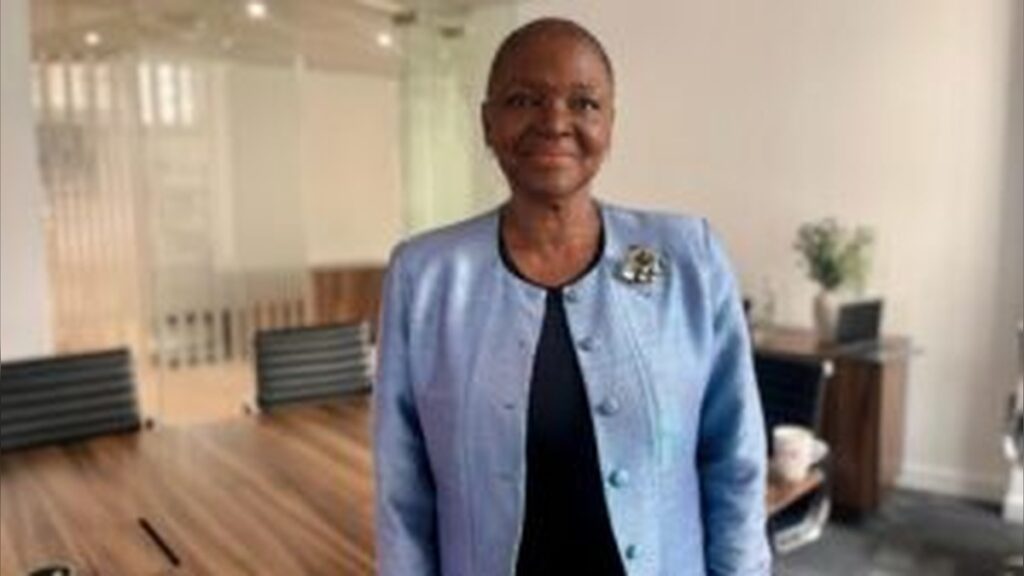
A sweeping independent review has delivered a damning verdict on maternity services across England, concluding that the NHS is failing to provide consistently safe, compassionate and high-quality care for mothers and babies.
The government-commissioned investigation found deep-rooted problems ranging from inconsistent standards of care to systemic racism and poor accountability, prompting calls for urgent nationwide reforms.
Review Warns Current System Is Failing Families
The inquiry, led by Baroness Valerie Amos, examined maternity and neonatal services following a series of high-profile NHS scandals that have eroded public confidence.
Drawing on evidence from more than 450 families and visits to 12 NHS trusts, the review concluded that the current system is fragmented, overly complicated and too slow to learn from mistakes.
According to the findings, one of the biggest weaknesses is the repeated failure to listen to women and their families when concerns are raised, contributing to preventable harm and significant differences in the quality of care available across England.
Baroness Amos warned that the existing model is no longer fit to meet the needs of patients either now or in the future.
Racism Identified as a Critical Patient Safety Issue
Among the strongest conclusions in the report is the finding that racism and discrimination remain embedded within parts of England’s maternity system.
The review argues that unequal treatment should be regarded as a patient safety emergency rather than simply an equality issue.
It recommends that NHS organisations collect more detailed data on disparities in maternity outcomes and ensure emerging patterns are escalated to senior leadership so action can be taken quickly.
Baroness Amos said the country could no longer accept the current situation and insisted meaningful change must happen.
Eight Key Reforms Proposed
The report sets out eight major recommendations designed to reshape maternity and neonatal care across England.
Central to the proposals is the creation of a National Maternity and Neonatal Commissioner, who would oversee improvements and ensure long-term accountability throughout the healthcare system.
Other recommendations include introducing national standards for maternity care, strengthening leadership and governance, improving how hospitals investigate mistakes, tackling discrimination, listening more closely to women and families, modernising digital infrastructure and facilities, and improving teamwork among healthcare professionals.
Faster Maternity Triage Could Save Lives
One of the report’s most immediate priorities focuses on maternity triage services.
Baroness Amos described these departments as increasingly functioning like emergency units for pregnant women, placing significant pressure on staff.




The review recommends assigning dedicated midwives to answer calls promptly, provide advice and arrange face-to-face assessments whenever concerns persist.
The report argues these relatively simple improvements could reduce harm and prevent avoidable deaths.
Government Promises Swift Action
Health Secretary James Murray welcomed the findings and acknowledged the need for urgent reform.
While he stopped short of confirming when the proposed maternity commissioner would be appointed, he said the government intends to move as quickly as possible.
The Department of Health and Social Care also pledged to publish a national action plan by December outlining how the recommendations will be implemented.
In addition, ministers announced a £41 million investment package aimed at improving maternity and neonatal safety across England.
Report Published Amid Disagreement
The release of the review has not been without controversy.
One of Britain’s leading maternity investigators, Dr Bill Kirkup, resigned during the process after reportedly disagreeing with one of the report’s conclusions.
The disagreement centred on whether there is widespread pressure across England’s maternity units to encourage natural births at the expense of offering caesarean sections when appropriate.
Despite the dispute, the review was published with its recommendations unchanged.
Families Welcome Some Changes but Raise Concerns
Reaction from campaigners and bereaved families has been mixed.
Rhiannon Davies, whose campaign followed the preventable death of her daughter during childbirth in Shrewsbury and Telford, praised the report for recognising that listening to women is fundamental to patient safety rather than simply improving patient experience.
She also welcomed the emphasis on strengthening maternity triage services.
However, others believe the review fails to fully reflect the experiences of families affected by poor care.
Critics Say Important Issues Were Overlooked
Dr Kim Thomas of the Birth Trauma Association described the report as a missed opportunity, arguing that many of the concerns shared by women were not adequately addressed.
She said injuries linked to forceps deliveries, along with the long-term psychological effects of traumatic births on mothers and partners, receive little attention in the final report.
Thomas also questioned whether the voices of healthcare staff had been given greater weight than those of patients.
Campaigners Continue to Push for Public Inquiry
Not all campaign groups support the report’s central recommendation of appointing a maternity commissioner.
The Maternity Safety Alliance, which has been campaigning for a statutory public inquiry into NHS maternity failings, argued that concentrating responsibility in a single role would not deliver the independent oversight families have demanded.
Emily Barley, whose daughter died during labour four years ago, said lasting change would require stronger accountability than the review currently proposes.
Although Baroness Amos acknowledged calls for a statutory inquiry, she said such investigations often take many years and believes the current review provides a quicker path toward meaningful reform.
As pressure mounts following years of maternity scandals, attention will now turn to whether the government can successfully translate the report’s recommendations into lasting improvements for mothers, babies and families across England.

