
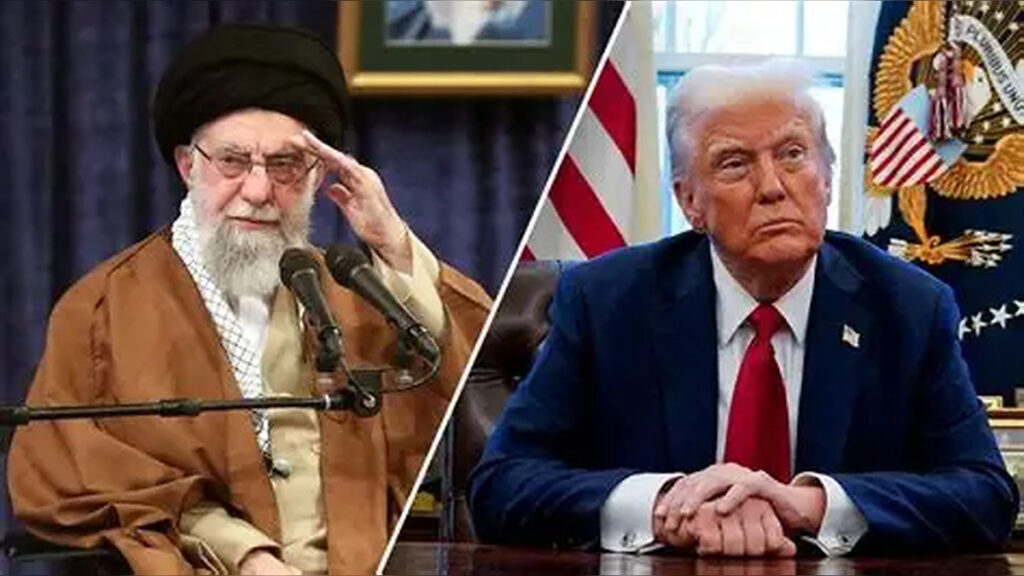
The Trump administration reportedly established a discreet communication channel with Iran’s Islamic Revolutionary Guards Corps (IRGC) through Nechirvan Barzani, president of Iraq’s Kurdistan Regional Government, as Washington sought clarity over Tehran’s negotiating position.
According to a report by Axios, citing three people with direct knowledge of the discussions, the unusual diplomatic effort was launched after US officials were uncertain about who was exercising effective leadership within the IRGC.
The Kurdistan Regional Government controls a semi-autonomous area in northern Iraq, with its political headquarters in Erbil.
Gabbard was tasked with opening the channel
On May 10, former US Director of National Intelligence Tulsi Gabbard reportedly contacted Barzani with President Donald Trump’s approval.
Gabbard asked whether the Kurdish leader could establish contact with Ahmad Vahidi, identified in the report as the IRGC’s senior commander, and determine whether the organisation supported the negotiating position being presented by Iranian Parliament Speaker Mohammad Bagher Ghalibaf and Foreign Minister Abbas Araghchi.
The White House was particularly interested in learning whether the IRGC had additional demands that had not been presented at the negotiating table.
Barzani’s Iran connections proved crucial
Barzani was considered a particularly useful intermediary because of his longstanding links to Iran.
He lived in the country during the Iran-Iraq War in the 1980s, studied at the University of Tehran and speaks fluent Persian.
He also maintains personal relationships with individuals connected to the IRGC.
Former US National Security Council Middle East coordinator Brett McGurk described Barzani as a pragmatic figure with extensive connections in both Tehran and Washington.
“That’s who you call in a pinch,” McGurk told Axios.
Secret contact was established with Vahidi
Barzani accepted Washington’s request and reached out to contacts within the IRGC.



He reportedly made clear that he was carrying a message from the US administration and wanted to communicate directly with Vahidi.
The two men subsequently spoke by telephone on May 14.
During the conversation, Barzani asked Vahidi whether he supported the ongoing negotiations.
According to a source familiar with the call, Vahidi responded that he backed the talks and believed the crisis should be resolved through diplomacy.
The IRGC commander reportedly told Barzani that the organisation fully supported the negotiations.
Washington considered secret talks in Erbil
Following the conversation, Barzani briefed Gabbard, who then relayed the information to the Trump administration.
Washington subsequently presented another proposal and raised the possibility of holding confidential negotiations in Erbil, potentially using Barzani as the host and intermediary.
The Iranian side did not immediately reject the proposal, but security concerns ultimately prevented the meeting from taking place.
Iranian fears over Israeli intelligence blocked the meeting
According to the report, Iranian officials were particularly concerned that Israeli intelligence personnel were operating in the region.
They feared that Iranian representatives could be targeted while attending the meeting or during their journey to or from Erbil.
Those concerns proved decisive, and the proposed secret meeting was never held.
Instead, Pakistan and Oman continued their roles as intermediaries in efforts to advance negotiations between Washington and Tehran.
Barzani remains open to reviving diplomacy
Despite the collapse of the proposed Erbil meeting, Barzani has reportedly signalled to the Trump administration that he remains willing to help revive negotiations.
The diplomatic process has since encountered a major obstacle involving Iran’s position on the Strait of Hormuz.
Barzani’s willingness to intervene suggests that the backchannel established earlier could potentially become relevant again if Washington and Tehran seek an alternative route back to negotiations.
The Strait of Hormuz remains the central obstacle
McGurk argued that the difficulty does not primarily stem from the choice of mediators.
Instead, he pointed to Iran’s position regarding the strategically vital Strait of Hormuz as the core disagreement.
“It’s Iran’s policy on the Strait, and that’s unlikely to change anytime soon,” McGurk said.
The reported use of Barzani as a discreet intermediary highlights the extent to which Washington has explored unconventional diplomatic channels in an effort to understand Tehran’s internal position and keep negotiations alive.

