
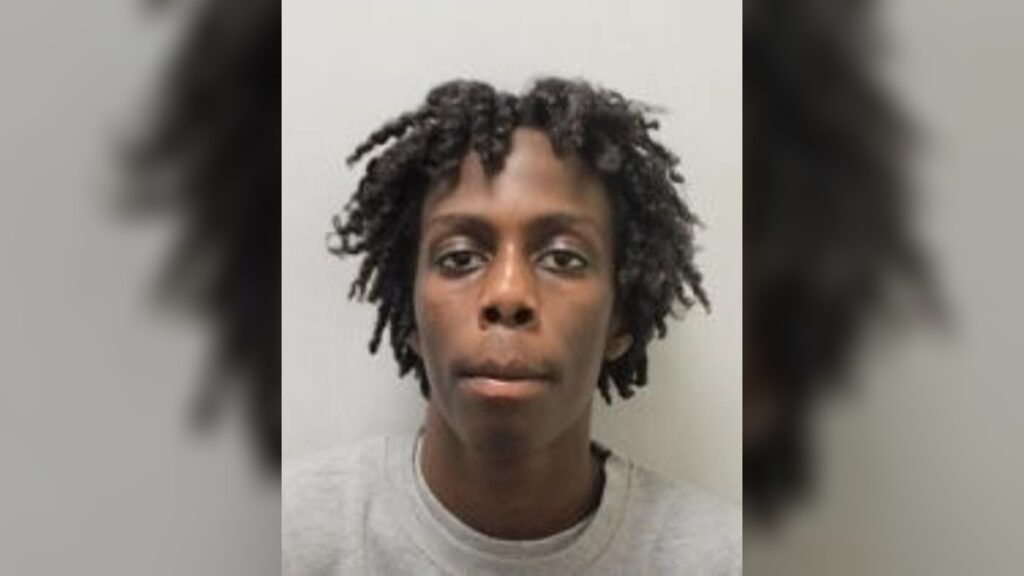
A London court has convicted several members of an organised criminal gang that kidnapped and imprisoned two French cryptocurrency investors in a violent extortion scheme designed to force them to hand over digital assets.
The victims, both in their twenties, endured more than two days of abuse before a Metropolitan Police operation brought their captivity to an end.
Following a trial at Inner London Crown Court, two defendants were found guilty of conspiracy to blackmail and false imprisonment, while three others were convicted of false imprisonment.
Although prosecutors described the operation as highly coordinated, they said the alleged mastermind remains at large overseas.
Social Media Wealth Allegedly Made Victims Targets
Prosecutors argued that the victims’ lavish lifestyles, frequently displayed across social media platforms, likely attracted the attention of the criminal network.
The pair had travelled from France and were staying in Kensington when they became caught in the plot.
According to the prosecution, the two men travelled from west London to east London intending to purchase cannabis.
After leaving their rented vehicle in Shadwell, they were allegedly ambushed by masked men armed with weapons and taken against their will to a flat in Canning Town.
Victims Describe Days of Violence and Psychological Abuse
During approximately 52 hours of captivity, the victims reported suffering repeated physical assaults and intimidation aimed at forcing them to surrender cryptocurrency worth around $150,000.
The court heard allegations that they were tied with cable ties and tape, beaten, burned with cigarettes, and had boiling water poured over parts of their bodies.
Prosecutors also said the victims were threatened with sexual humiliation, mutilation, and violence against loved ones if they refused to transfer more cryptocurrency.
One victim alleged he was forced to drink toilet water, while both men claimed they were given almost nothing to eat throughout their ordeal, receiving only a single spicy chicken wing from a takeaway meal consumed by members of the gang.
Cryptocurrency Transfers Failed to End Extortion Attempts
Evidence presented during the trial showed that the victims transferred approximately $30,000 in cryptocurrency to their captors.
However, prosecutors said the payments failed to satisfy the gang’s demands.
One of the men was eventually released, while the second remained captive and believed he had been handed over to another criminal group for continued extortion.




Investigators said demands for additional digital assets continued through phone calls made to people staying with the victims at their Airbnb accommodation.
Emergency Call Helps Police Locate Captives
The investigation gained momentum after a friend travelling with the victims managed to escape the initial attack.
His mobile phone had been left inside the victims’ vehicle, allowing police to trace activity linked to the gang’s hideout.
After returning to west London, the friend persuaded a security guard at a McDonald’s restaurant in Earl’s Court to contact emergency services.
Detectives then worked with another companion staying at the Airbnb, advising her to delay the kidnappers’ financial demands while specialist officers identified the suspects’ location.
High-Speed Pursuit Ends Rescue Operation
The rescue unfolded when Flying Squad officers tracked a vehicle transporting one of the victims through residential streets in London.
The chase reportedly reached speeds of about 70mph before the suspects’ vehicle crashed into a lamppost.
Armed officers pursued several suspects on foot and arrested them shortly afterwards.
Police rescued one victim from the vehicle with his hands still bound.
Officers documented visible injuries, including cigarette burns on his face that investigators said were consistent with his account of torture.
Overseas Figure Allegedly Directed Criminal Operation
Prosecutors told the jury that the kidnapping was coordinated remotely by Ibrahim Mohamed, known by the aliases “Nino” and “Fatboy.”
Investigators alleged he issued instructions to members of the gang through encrypted messaging applications, including WhatsApp and Snapchat.
Authorities said Mohamed has not been arrested and remains outside the United Kingdom.
Mixed Verdicts Across Multiple Defendants
The jury convicted Gerson Borges and Mohamed Osman of conspiracy to blackmail and false imprisonment.
William Adebisi was found guilty of false imprisonment, although jurors were unable to reach a verdict on the blackmail conspiracy charge against him.
Julius George, Isaac Bakoya and Adel Sineen were also convicted of false imprisonment.
Sineen admitted dangerous driving during the police pursuit, while George admitted possessing a knife.
Several defendants were acquitted of more serious allegations, including kidnapping, possessing an imitation firearm and sexual assault.
The jury also failed to reach a verdict on conspiracy to blackmail involving Yasir Mohamed, who was acquitted of several other charges.
Because one victim alleged sexual assault by two defendants who were cleared of those accusations, legal reporting restrictions prevent those individuals from being identified.
Police Praise Evidence-Led Investigation
The Metropolitan Police said the case demonstrated the effectiveness of its Flying Squad investigation, known as Operation Azawahk, which relied heavily on mobile phone analysis, CCTV evidence and digital intelligence to identify suspects and secure convictions.
Detective Chief Inspector Laura Hillier described the victims’ experience as deeply traumatic and said the outcome showed that serious offenders can still be successfully prosecuted even when victims are unable or unwilling to testify in court.
Those convicted are scheduled to be sentenced in September, while prosecutors are considering whether to seek a retrial on the unresolved conspiracy to blackmail charges involving William Adebisi and the alleged overseas organiser.
