
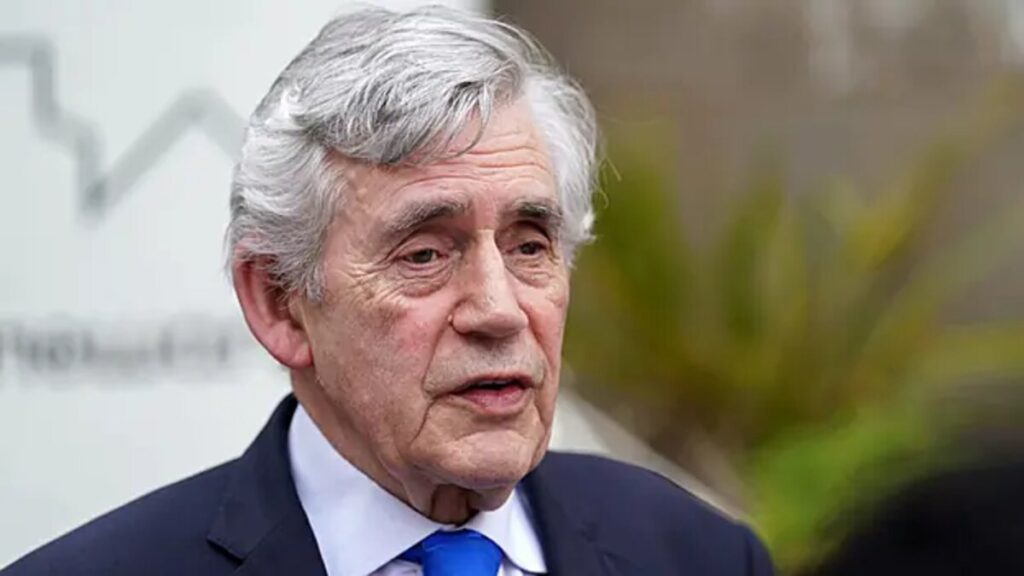
Keir Starmer is under intense pressure after a difficult set of local election results that reshaped the political mood in Britain.
What was meant to be a rebuilding phase for Labour has instead turned into a test of leadership, direction, and survival.
The results told a blunt story: Labour lost ground in several traditional strongholds, while smaller parties surged ahead.
Behind the scenes, tensions inside the party have spilled into public view, with questions now being asked about whether Starmer can steady the ship before the next general election.
Leadership Challenge Talk Grows Inside Labour
The situation escalated after reports that a Labour MP was preparing to trigger a leadership challenge, reflecting growing frustration within the party.
One of the most vocal figures, former Foreign Office minister Catherine West, has warned she could move to gather support for a contest if the leadership crisis is not addressed quickly.
Her comments added fuel to an already tense atmosphere at Westminster.
Some MPs are openly discussing whether the Cabinet should intervene, while others are urging calm and warning that a leadership battle would deepen divisions at a critical moment.
Despite this, Starmer has been firm. He insists he will lead Labour into the next general election, framing his leadership as part of a longer “national renewal” project stretching across a decade.
Cost of Living and EU Reset Become Central Strategy
In response to mounting pressure, Starmer is shifting focus to the cost of living and Britain’s future relationship with the European Union.
He has promised a stronger push to tackle household bills, fuel costs, and broader economic strain that has worsened since global energy shocks linked to geopolitical tensions.
Government discussions are reportedly considering measures such as easing fuel duty pressures to support families struggling with rising prices.
Alongside domestic relief, Starmer is also leaning heavily into rebuilding ties with the EU.
He has argued that Brexit has limited opportunities for young people and pledged closer cooperation in areas like travel, work, and education.
One of the most notable proposals is a youth mobility-style scheme that would allow young British and EU citizens to study and work across borders, potentially beginning implementation within the next few years.
Reform UK Surge Reshapes Political Landscape
The election results also highlighted a major shift in voter behaviour, with Reform UK making significant gains across former Labour territory.


Led by Nigel Farage, Reform UK capitalised on dissatisfaction in working-class regions, taking control of councils that had been Labour strongholds for decades.
The surge has raised alarm inside Labour headquarters, where concerns are growing about long-term voter drift.
At the same time, the Greens also made gains in parts of London, while the Liberal Democrats and Conservatives experienced mixed results, with the Conservatives losing ground overall.
Pressure Builds as MPs Question Starmer’s Future
Inside Labour, unease is spreading beyond the usual internal critics.
More moderate MPs have begun joining calls for clarity on leadership direction, not just those on the party’s left.
Some figures have suggested the Cabinet should privately address whether Starmer remains the best figure to lead the party into the next election cycle.
Others warn that even discussing a timetable for replacement could trigger deeper instability.
Still, Starmer’s allies argue that changing leadership now would risk turning electoral losses into a full-scale party crisis.
Impact and Consequences
The immediate impact is clear: Labour’s authority has been shaken at a moment when it expected to be consolidating power.
Losing councils and councillors across England has weakened the party’s local influence and exposed vulnerabilities in key regions.
Politically, the rise of Reform UK represents a structural challenge rather than a temporary protest vote.
It suggests a long-term shift in parts of Labour’s traditional base, especially in post-industrial towns.
For Starmer personally, the pressure is intensifying but not yet decisive.
However, continued internal dissent could weaken his authority heading into a general election year.
Internationally, his push for closer EU ties may appeal to younger voters but risks reopening divisions left by Brexit, especially in Leave-voting areas.
What’s Next?
The coming weeks are crucial. Starmer is expected to outline his strategy in a major address and through the King’s Speech, where economic reform and cost-of-living support will be central themes.
Behind the scenes, Labour MPs will be watching closely for signs of unity or further fragmentation.
Any formal leadership challenge would require significant backing, but even the discussion of one could destabilise the party.
At the same time, the government will attempt to turn attention back to policy delivery—particularly energy support, economic growth, and youth-focused mobility schemes linked to Europe.
The next electoral test will determine whether Labour can recover momentum or whether the recent results mark the start of a deeper political shift.
Summary
Keir Starmer is facing rising internal pressure after Labour’s disappointing local election results, with Reform UK making major gains across traditional Labour areas.
While he insists he will lead the party into the next general election, leadership tensions are growing.
His response focuses on cost-of-living relief and closer EU ties, including potential youth mobility agreements.
However, internal divisions and shifting voter patterns are creating one of the most difficult periods of his leadership so far.
Bulleted Takeaways
- Keir Starmer is under pressure after poor local election results for Labour
- Reform UK made major gains in former Labour strongholds
- Internal Labour MPs are discussing possible leadership challenges
- Starmer is focusing on cost-of-living measures and EU re-engagement
- A proposed youth mobility scheme with the EU is under discussion
- Labour lost control of multiple councils and over 1,000 councillors overall
- Greens and Liberal Democrats also made notable gains
- Starmer insists he will lead Labour into the next general election
- Party unity is under strain as leadership debate intensifies
- Next policy announcements and parliamentary sessions are seen as critical turning points

