
A light-hearted online post by Major League Soccer side Chicago Fire has escalated into a heated international football debate involving South African fans, rival clubs, and even a government minister.
What began as a playful comment referencing South African defender Mbekezeli Mbokazi’s recognition in the MLS All-Star First XI quickly spiralled into controversy after it was interpreted as a jab at local football culture.
“Lamthuthu FC” Comment Triggers Local Rivalry Flashpoint
The controversy erupted when Chicago Fire posted a phrase widely associated with supporters of Orlando Pirates, saying “paint went to Lamthuthu FC” while celebrating Mbokazi’s achievement.
In South African football circles, “Lamthuthu FC” is commonly used in online banter aimed at rivals, particularly supporters of Kaizer Chiefs. The
post was quickly picked up and interpreted as taking sides in one of the country’s fiercest sporting rivalries.
The reaction was immediate, with supporters from both clubs weighing in across social media platforms, turning a casual joke into a national talking point.
Minister McKenzie Enters the Debate With a Strong Warning
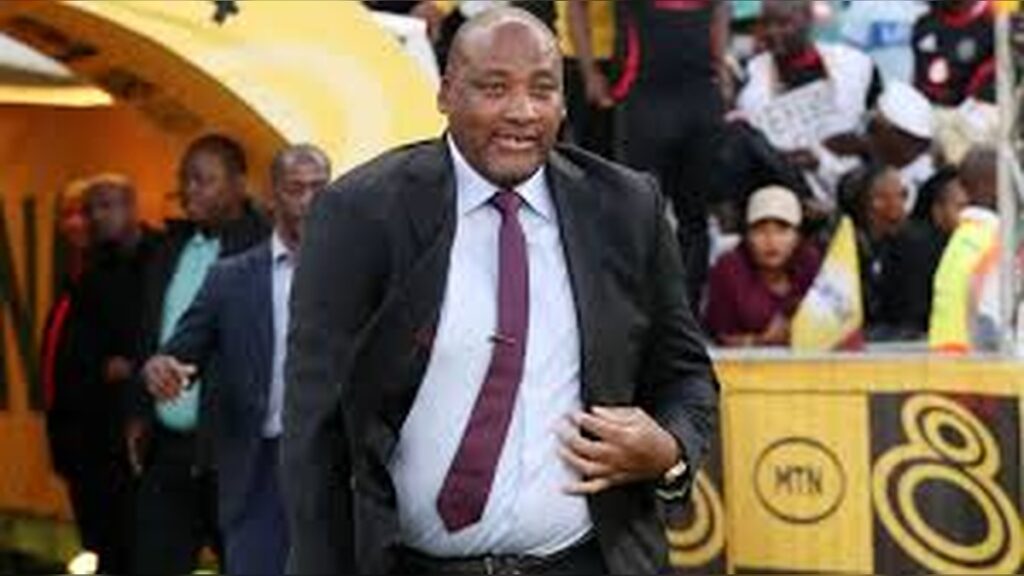
The situation escalated further when South Africa’s Sports, Arts and Culture Minister Gayton McKenzie publicly responded to the post.
In a message shared on X, McKenzie defended Kaizer Chiefs and warned the American club that they had underestimated the passion of South African supporters.




“Chicago Fire is about to see the other side of SA football supporters, they messed with wrong crowd,” he wrote, signalling his support for Chiefs fans in the unfolding online dispute.
His intervention immediately drew attention, not only for its tone but also for the fact that a government minister had inserted himself into a club-level football rivalry.
Public Backlash Over Ministerial Neutrality
McKenzie’s comments sparked a wave of criticism from social media users who argued that his response crossed the line of impartiality expected from a national sports minister.
Some questioned whether it was appropriate for him to appear aligned with one club over others, suggesting that his position required neutrality across all sporting codes and teams.
Others directly challenged his wording, arguing that his involvement elevated a minor online exchange into an unnecessary political and sporting controversy.
Orlando Pirates Fans Push Back in Defence of Chicago Fire
While many Kaizer Chiefs supporters welcomed McKenzie’s remarks, fans of Orlando Pirates quickly rallied behind Chicago Fire, intensifying the divide.
Some argued that the MLS club had not intended to insult South African football but was instead participating in global football banter that was misunderstood locally.
Others insisted that South African fans should not overreact to foreign clubs engaging casually with online football culture, urging a more relaxed interpretation of the post.
Rival Fanbases Turn a Joke Into a Global Talking Point
The debate soon expanded beyond the original post, with supporters from both major South African clubs using the incident to reinforce long-standing rivalries.
Some users pointed out that Chicago Fire had inadvertently exposed the intensity of South African football culture to an international audience, while others claimed the reaction was exaggerated and unnecessary.
There was also recognition that South African players abroad, including Mbokazi, often become rallying points for fans regardless of club allegiance.
A Reminder of Football’s Deep Cultural Reach
What started as a playful social media exchange has now become a broader reflection of how deeply football rivalries run in South Africa—and how quickly they can spill onto global platforms.
The incident highlights not only the passion surrounding Kaizer Chiefs and Orlando Pirates, but also the growing international visibility of South African players and fans in the global football conversation.

