
Claims have surfaced accusing FIFA of indirectly working alongside secondary ticket marketplaces to manage unsold inventory for low-demand matches at the upcoming FIFA World Cup 2026.
The allegations suggest a coordinated approach to shifting seats for fixtures attracting weaker demand, while FIFA publicly continues to discourage fans from using resale platforms.
The controversy centers on unusual patterns in how large blocks of tickets for certain matches are appearing on secondary markets rather than the scattered, individual listings typically associated with fan resales.
Large Seat Blocks on Resale Platforms Raise Questions
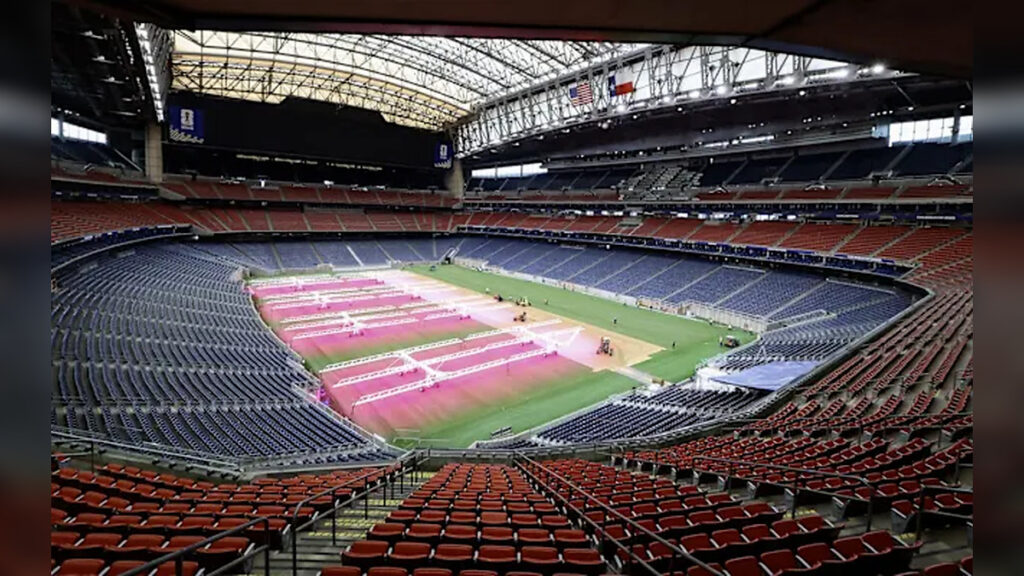
Attention has focused on listings appearing on SeatGeek for the group-stage match between the Saudi Arabia national football team and the Cape Verde national football team scheduled for June 26 in Houston, United States.
Instead of the usual pattern of isolated seats spread across a stadium, observers noted extensive contiguous sections of availability—entire rows and clustered blocks appearing together.
Critics argue this pattern does not resemble typical fan-to-fan resale behavior, where individual or small groups of tickets are more common.
Economist Flags “Bulk Inventory” Behavior
The discussion intensified after Austrian economist Florian Ederer shared his analysis on social media, claiming the seating patterns could indicate systematic redistribution of unsold tickets.
Ederer argued that the listings resemble “inventory dumping” rather than organic resale activity.
He pointed out that different waves of seat availability appeared over time, suggesting structured releases rather than random user listings.




According to his interpretation, the clustered seat maps could indicate that large volumes of tickets are being funneled into secondary markets in stages, potentially at lower prices than those originally set on official channels.
Pricing Gaps Between Official and Secondary Markets
Further scrutiny has emerged over sharp pricing differences between official sales channels and resale listings.
Reports indicate that seats in the same stadium sections are being listed for significantly different prices—around $700 through FIFA’s official resale system, compared with approximately $200 on secondary platforms like SeatGeek.
Critics say such disparities raise questions about pricing strategy, particularly for matches with lower demand where unsold inventory may remain high.
Defense from SeatGeek and Denials of Formal Partnership
A spokesperson for SeatGeek rejected any suggestion of coordination with FIFA, stating that the company operates as an independent marketplace offering secure access to tickets for major global events.
They emphasized that there is no distribution agreement or formal partnership with FIFA, pushing back against claims of collusion or coordinated inventory management.
FIFA has also been approached for comment regarding the allegations but has not publicly addressed the specific claims tied to the resale patterns.
Rising Criticism Over World Cup Ticket Pricing
The broader ticketing strategy for the upcoming tournament has already drawn significant criticism.
Some seats for high-profile matches, including the final scheduled for July 18, have reportedly reached prices as high as £24,500.
Observers argue that such pricing has intensified reliance on secondary markets, particularly for fans priced out of official allocations or seeking lower-cost alternatives.
Legal Scrutiny Adds Pressure in the United States
The controversy has now extended into legal scrutiny, with attorneys general in New York and New Jersey issuing subpoenas related to FIFA’s ticketing practices.
The investigation reportedly focuses on whether fans were properly informed about seating availability and how stadium maps were presented during sales.
As the tournament approaches, pressure is mounting on FIFA to clarify how unsold tickets are handled and whether its distribution methods align with consumer protection expectations.
