
The U.S. Central Command has revealed that American forces have redirected multiple vessels as part of a continuing blockade affecting maritime traffic linked to Iran.
According to officials, 27 ships have been instructed to either turn around or return to Iranian ports since the enforcement measures began.
The move highlights an intensified effort to control shipping activity in strategically sensitive waters.
Enforcement Measures Target Iranian-Linked Maritime Routes
The blockade focuses on vessels attempting to enter or exit Iranian ports and coastal zones. U.S. forces have been actively monitoring shipping lanes and intervening when necessary to enforce restrictions.
While specific details about the vessels involved were not disclosed, the operation underscores the importance of maritime control in the broader regional security strategy.
USS Gerald R. Ford Conducts Flight Operations in Red Sea
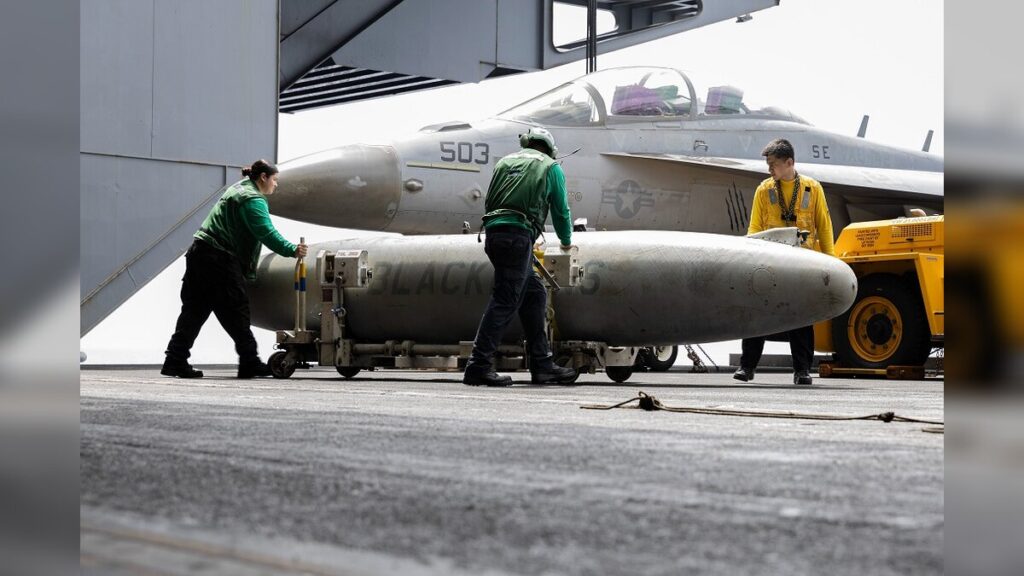
At the same time, the USS Gerald R. Ford (CVN-78) continues operations in the Red Sea, serving as a central component of U.S. naval activity in the region.
Sailors aboard the carrier have been conducting flight operations, reinforcing the presence of the Ford Carrier Strike Group within the Central Command area of responsibility.




Expanding U.S. Military Presence in Key Waters
The deployment of the Ford and its accompanying strike group reflects a broader buildup of U.S. forces in the Middle East.
With maritime enforcement actions underway and carrier operations continuing, the U.S. military is maintaining a strong posture across critical sea lanes that are vital for global trade and regional stability.
Impact and Consequences
The redirection of ships could have ripple effects on regional shipping, trade routes, and energy supplies, particularly if restrictions persist.
Such actions may also heighten tensions with Iran, as increased military enforcement at sea often leads to diplomatic friction and potential escalation.
At the same time, the presence of a major carrier strike group signals a readiness to respond to threats and maintain control over strategic waterways.
What’s Next?
U.S. forces are expected to continue enforcing the blockade while monitoring maritime activity in the region.
Further naval operations, including flight missions from the USS Gerald R. Ford, are likely as part of ongoing security efforts.
Observers will be watching closely for any response from Iran or changes in shipping patterns as the situation develops.
Summary
U.S. Central Command has confirmed that 27 vessels have been redirected as part of a blockade affecting Iranian-linked maritime traffic.
Meanwhile, the USS Gerald R. Ford continues active operations in the Red Sea, highlighting a sustained and expanding U.S. military presence in the region.
Bulleted Takeaways
- U.S. forces have redirected 27 ships under a maritime blockade
- The operation targets vessels entering or leaving Iranian ports
- USS Gerald R. Ford is conducting flight operations in the Red Sea
- The carrier strike group remains active under U.S. Central Command
- The situation reflects increased U.S. military activity in key shipping lanes
- Potential impacts include trade disruption and rising regional tensions
