
Iran’s Islamic Republic authorities have publicly executed two protesters who were arrested during the January demonstrations in Isfahan, triggering fresh criticism from opposition groups and human rights advocates.
The executions took place Tuesday morning at Alikhani Square, the same location where the unrest that led to their arrests occurred.
The identities of the two men were reported by Iran’s judiciary-linked Mizan news agency as Amirhossein Safari and Abolfazl Sepahi.
Footage of the execution later circulated among Iranian dissident networks online, drawing renewed attention to Tehran’s use of capital punishment against protesters.
Authorities Accuse Protesters of Attacking Security Forces
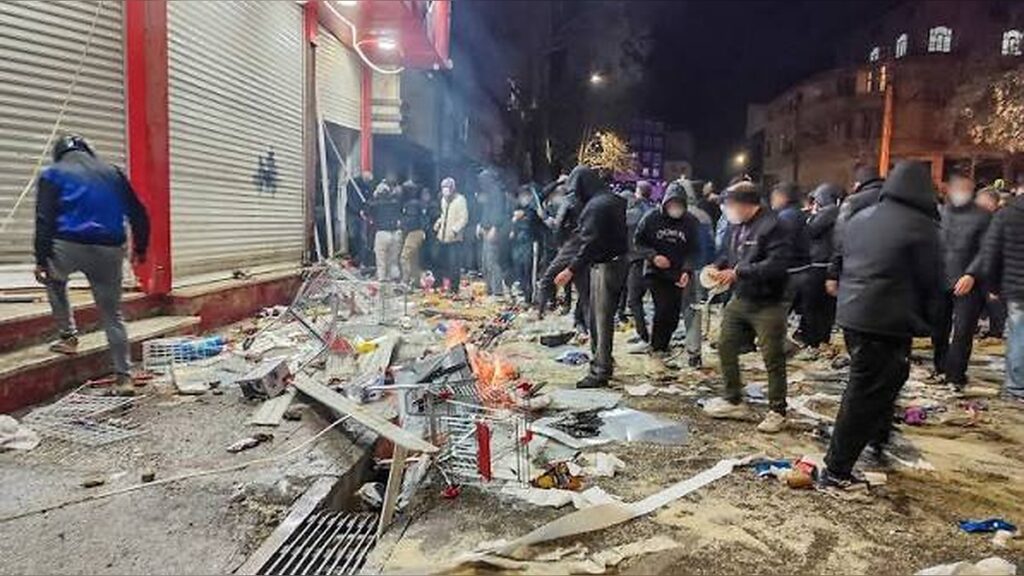
Iranian officials claimed Safari and Sepahi were involved in a violent confrontation with security forces on January 8, alleging that protesters attacked police officers using machetes and knives.
According to the government narrative, the men were accused of restraining officers, dragging them along the ground, pouring gasoline on them and setting them on fire.
The incident was reported to have taken place on the same day that four members of Iran’s security forces were allegedly killed during clashes at Alikhani Square.
The two men were among 12 individuals convicted over the alleged deaths, with authorities accusing them of crimes including “moharebeh,” or “waging war against God,” and “corruption on earth.”
Human Rights Groups Challenge Iran’s Death Toll Claims
The executions have intensified scrutiny over Tehran’s handling of the January protests, which human rights organisations say resulted in a far higher death toll than officially acknowledged.
Rights groups estimate that more than 30,000 people were killed during the December and January demonstrations, while Iranian authorities have placed the number of deaths at 3,117.
Tehran has claimed that those killed included foreign-backed rioters as well as 427 members of security forces.
Activists have also accused Iranian authorities of pressuring grieving families by restricting access to the bodies of deceased relatives unless they accepted official explanations about the circumstances of their deaths.


In several cases, families have allegedly been forced to sign documents stating that their relatives were killed by protesters or were members of the Basij paramilitary force.
UN Raises Concerns Over Closed-Door Trials
The United Nations has condemned the legal process that resulted in the convictions, warning that the proceedings failed to meet international standards for fair trials.
Dr. Mai Sato, the UN Special Rapporteur on human rights in Iran, said the 12 defendants were subjected to a collective trial held behind closed doors, raising serious concerns about due process.
UN experts said at least 24 people have been executed in connection with the January protests since the start of 2026.
They warned that Iran’s use of the death penalty appears aimed at creating fear and discouraging further opposition.
They also highlighted concerns that Iranian laws make criticism of the government increasingly dangerous, with citizens facing possible arrest, harassment and prosecution.
Public Execution Sends Message Amid Rising Confidence
Reports suggested Iranian authorities had planned the public execution in advance after iron scaffolding was installed at Alikhani Square overnight and security forces heavily surrounded the area.
Beni Sabti, an Iran expert at the Institute for National Security Studies, said the public nature of the executions reflected a change in Tehran’s approach.
He told The Jerusalem Post that protests had already erupted following the executions, but argued that the regime appeared less concerned about international criticism than it had been in the past.
During the January unrest, authorities reportedly shut down internet access in an effort to limit the spread of footage showing the crackdown.
Activists also claimed some executions were carried out without informing families in advance, despite legal requirements.
Sabti said Iranian leaders now appeared more confident following what they viewed as victories against foreign opponents and domestic unrest.
Families Left Waiting as Executions Move Forward
A source close to Safari’s family told Iran International that relatives had been summoned to Isfahan Central Prison for what appeared to be a final meeting before the execution.
The executions have also raised concerns about other detained protesters, including Shervin Bagherian Jebeli, who had only turned 18 shortly before his arrest.
Within days of his detention, Iranian state television broadcast what it described as a confession in which he appeared to admit involvement in violence against security forces.
UN experts questioned whether he fully understood the charges against him or had access to independent legal representation.
Iran Faces International Pressure Over Protest Crackdown
The latest executions have added to growing international criticism of Iran’s treatment of protesters and political opponents.
Rights advocates argue that charges such as “moharebeh” have repeatedly been used against demonstrators as a way to justify severe punishments, including death sentences.
As Tehran continues to defend the prosecutions as necessary measures against unrest, critics say the executions represent an escalation in the government’s campaign to silence dissent and discourage future protests.

