
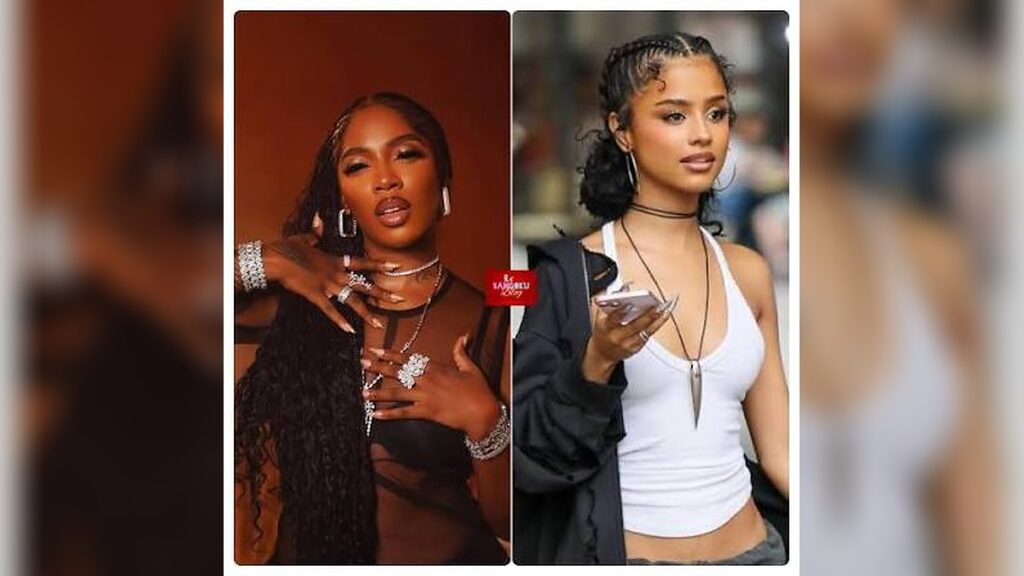
Plans for South African singer Tyla’s upcoming Lagos concert have triggered a fierce online debate in Nigeria, with social media users divided over whether the event should proceed amid renewed anger over alleged xenophobic attacks targeting Nigerians in South Africa.
The Grammy-winning artist is scheduled to bring her APOP World Tour to Lagos on December 22, with additional performances planned in Cape Town on January 4 and Johannesburg on January 9.
While many fans welcomed the announcement, others argued that hosting a South African performer in Nigeria at this time sends the wrong message.
Nigerians Demand Action Over Alleged Xenophobic Attacks
The controversy erupted shortly after Tyla revealed her tour dates, with some Nigerians taking to X to call for a boycott of the Lagos show.
Critics linked their opposition to ongoing concerns about the treatment of Nigerians living in South Africa, including reports of alleged xenophobic incidents and violence.
Some users argued that South African entertainers should not be welcomed in Nigeria while such issues remain unresolved.
One user, identified as #Miz_Fey, criticised Nigerians planning to attend the concert, claiming that supporting the event would undermine efforts to demand justice for Nigerians affected by attacks abroad.
Another user, #FtoniaUc, said Nigerian audiences should reject performances by South African artists until concerns over alleged discrimination and violence are addressed.
Social Media Campaign Calls for Peaceful Boycott
Some voices supporting the boycott described it as a symbolic protest rather than hostility toward Tyla personally.
#MetOrjiChukwudi called on Nigerians to peacefully avoid attending the concert, saying the move would represent a stand against xenophobia and the protection of African lives.




The user argued that supporting South African entertainment while alleged attacks against Nigerians continue would send a conflicting message about accountability and justice.
Others pointed to the alleged death of Nigerian national Chika Ibe in Cape Town as one of the reasons tensions have resurfaced, with the incident continuing to fuel public reactions online.
Critics Question Tyla’s Silence on the Issue
A section of Nigerians also criticised Tyla directly, arguing that the singer has not publicly spoken out against alleged xenophobic attacks.
Some social media users questioned why the artist was willing to perform in Lagos but had not addressed concerns affecting Nigerians in South Africa.
One user, #Momobtw__, said Tyla’s decision to continue with the Lagos performance despite the controversy raised questions about her position on the matter.
Another user referenced a widely circulated video alleging the death of a Nigerian in South African police custody, arguing that the situation required greater attention.
Supporters Say Music Should Not Be Mixed With Politics
However, the boycott campaign has faced strong opposition from Nigerians who believe cultural exchanges and music events should not be used as a tool for political disputes.
Some fans argued that supporting Tyla does not mean supporting alleged xenophobia or the actions of individuals and authorities in South Africa.
X user #Emmanuel1135482 said Nigerians’ admiration for Tyla should be viewed separately from disagreements involving governments and social issues.
Another user, #cea9275, questioned why the criticism was focused on artists and concerts rather than broader political discussions, arguing that cultural collaboration should not automatically be viewed as endorsement of government actions.
Debate Expands Over Who Should Be Held Responsible
The discussion has also raised questions about who should be accountable for addressing international tensions.
#DoyeenOfLagos argued that Nigerians were unfairly directing their frustration toward entertainers and event attendees instead of focusing on government responsibility and the organisers behind the concert.
The user questioned whether private events should become targets for political disagreements and suggested that citizens should consider their own choices rather than placing all blame on authorities.
Tyla’s Concert Remains a Flashpoint
As the Lagos concert approaches, the debate highlights deeper frustrations surrounding the relationship between Nigerians and South Africans, particularly regarding migration, discrimination and alleged xenophobic violence.
While some Nigerians see boycotting the event as a way to demand accountability, others believe music should remain separate from political disputes and that targeting artists may not solve the wider issues.
For now, Tyla’s planned performance has become more than just a music event, with the controversy reflecting ongoing tensions and differing opinions about how Nigerians should respond to challenges facing their citizens abroad.

