
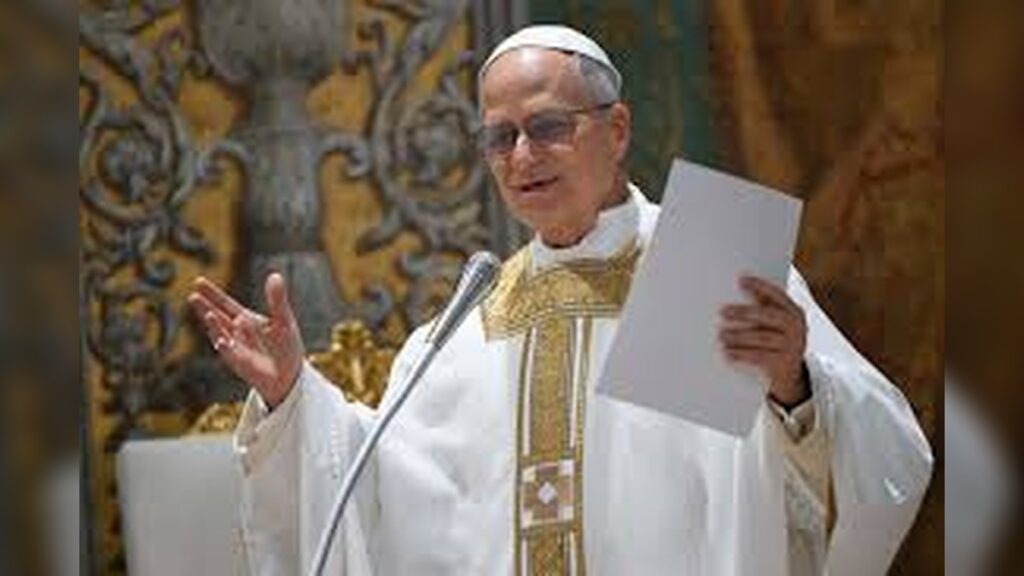
Pope Leo XIV has defended his decision to hold the Church’s second extraordinary consistory of cardinals using a synodal format, acknowledging that many participants are unfamiliar with the approach but insisting it reflects the direction God is calling the Catholic Church to follow.
Speaking to 178 cardinals gathered in the Paul VI Hall on June 26, the pontiff encouraged them to fully participate in two days of discussions organized around collaborative working groups rather than traditional speeches and debates.
While recognizing that the format may feel unconventional, he said genuine unity can only grow when the Church learns to work together in new ways.
Cardinals Encouraged to Speak Freely
Aware of concerns raised after the first synodal-style consistory earlier this year, Pope Leo assured the cardinals that their opinions would be welcomed throughout the meeting.
In addition to the structured discussions, the gathering includes a free dialogue session where participants can openly exchange views.
The Vatican has also established a dedicated email address, allowing cardinals to privately communicate observations, advice, or concerns directly to the pope.
Leo emphasized that synodality is not mastered through theory alone but through experience, urging participants to approach the discussions with trust and openness.
Previous Criticism Prompted Changes
The revised format follows criticism from several cardinals who felt that January’s consistory left little room for spontaneous debate.
Some participants believed the conversations had been overly controlled and that major conclusions had effectively been determined before discussions even began.
The pope’s latest adjustments appear designed to reassure Church leaders that their voices will carry greater weight during the current meeting.
Four Major Priorities Set for Discussion
During his opening address, Pope Leo outlined four central themes that will guide the consistory.
The first invites the cardinals to examine today’s world through the lens of faith by listening carefully to the experiences and struggles of people across the globe.
The second focuses on promoting what Leo described as a “civilization of love” in an era marked by conflict, division, and injustice.
That discussion draws heavily from his social encyclical Magnifica Humanitas, which explores human dignity, solidarity, and the pursuit of the common good.
A third topic examines how the Church can strengthen shared responsibility by adopting a more synodal style of leadership, while the fourth centers on putting the conclusions of the Synod on Synodality into practice as the Church responds to today’s global challenges.
Synodality Is More Than a Process, Pope Says
Leo stressed that synodality should not be viewed simply as an administrative model or organizational reform.

Instead, he described it as a spiritual attitude rooted in listening, discernment, humility, and mutual responsibility.
According to the pope, embracing this approach does not weaken papal or episcopal authority.
Rather, it strengthens unity by allowing every member of the Church to contribute according to his or her vocation while enabling leaders to exercise authority in a more pastoral and evangelical manner.
A Church Focused on the World
The pope insisted the purpose of the consistory extends far beyond internal Church administration.
He urged the cardinals to reflect on issues including peace, the common good, and the Church’s witness in an increasingly fractured world.
By listening carefully to one another and sharing responsibility, he said, the Church can proclaim the Gospel with greater credibility and effectiveness.
Leo also openly appealed for the support of the cardinals, saying he needed not only their advice but also their visible and public backing as he carries out his ministry.
Pope Calls for Honest Counsel
Unlike previous years when many cardinals felt excluded from major Vatican decisions, Pope Leo repeatedly emphasized the importance of open consultation.
He described honest advice as an essential expression of communion within the Church and encouraged the cardinals to speak with freedom, sincerity, and loyalty.
Their responsibility, he said, includes reporting both signs of hope emerging from local churches and the challenges, resistance, and misunderstandings that continue to exist.
The pope expressed confidence that this collaborative path would strengthen both the Church’s witness and its missionary mission.
Extraordinary Consistories Return Under Leo
The current gathering also marks the continuation of Pope Leo’s decision to revive extraordinary consistories after the practice had effectively been suspended in 2014 during Pope Francis’ pontificate.
Many cardinals had long expressed a desire for more frequent opportunities to advise the pope, particularly following last year’s conclave.
Leo’s approach represents a noticeable shift, placing greater emphasis on broad consultation rather than relying primarily on a smaller circle of close advisers.
Thanking the cardinals for attending, he said their presence reflected their commitment to serving the universal Church and reminded them that assisting the pope through dialogue remains one of their most important responsibilities.
Builders of Unity Rather Than Personal Agendas
The pope urged the cardinals to see themselves not as defenders of particular interests but as servants of Christ’s mission.
He encouraged them to become builders of communion in a synodal Church where every baptized person contributes according to their gifts and ministry.
Echoing previous remarks to the Roman Curia, Leo reminded the gathering that their shared mission is to foster universal fraternity rather than institutional rivalry.
Opening Mass Highlights Peace and Shared Mission
Earlier in the day, Pope Leo celebrated the opening Mass for the consistory in St. Peter’s Basilica, where he returned to the themes of synodality, collegiality, and Christian fraternity.
With the Solemnity of Saints Peter and Paul approaching, he called on the cardinals to imitate the apostles by proclaiming the faith with courage while seeking peace, unity, and harmony through obedience to Christ.
He said implementing the Synod on Synodality requires the entire Church to move forward together in faith, allowing the Holy Spirit to replace division with charity, missionary zeal, and genuine fraternity.
“I Ask, Not Command”
The pope concluded his homily with a reflection that many observers saw as defining his vision of papal leadership.
Rather than presenting himself as a ruler who simply issues directives, Leo said he hoped the cardinals would find in him “one who asks, not commands.”
He added that authentic authority belongs first to the person willing to listen before leading and to learn before teaching, always following Christ, whom he described as the Church’s one true Teacher.
Entrusting the Church’s journey to the intercession of Saints Peter and Paul, Pope Leo expressed hope that the renewed spirit of dialogue and shared responsibility would help strengthen both the unity and mission of the Catholic Church.

