
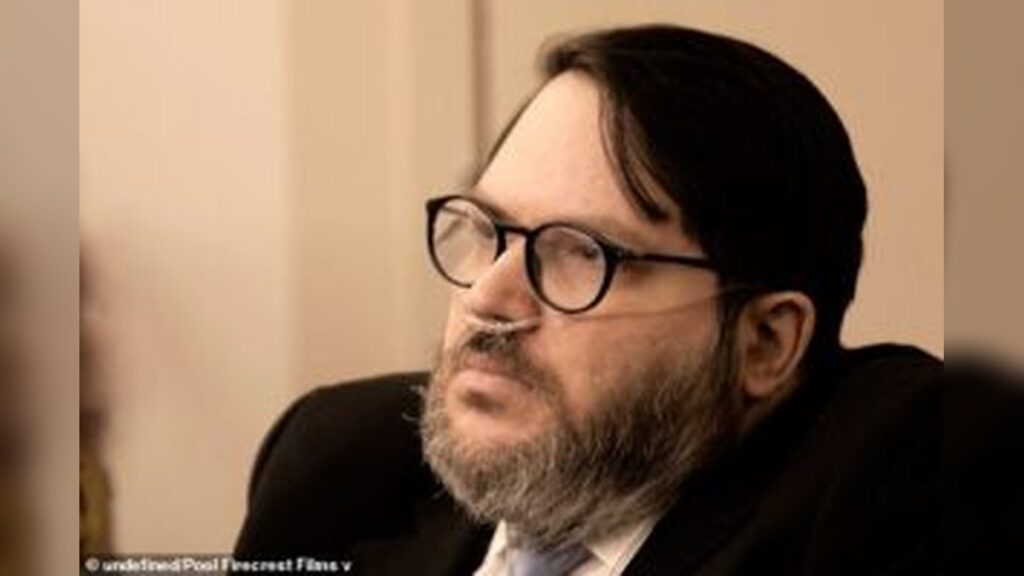
A man whose extraordinary attempts to evade justice included faking his own death and assuming multiple identities has died in the United States.
Nicholas Rossi, 38, passed away Thursday night at a hospital in Utah after suffering complications linked to an existing medical condition, according to state officials.
The Utah Department of Corrections confirmed his death, adding that Rossi had chosen to discontinue the medical care that had been available to him before he died.
Decade-Old Crimes Finally Led to His Arrest
Rossi, whose legal name was Nicholas Alahverdian, was convicted last year for sexually assaulting two women in northern Utah in separate attacks dating back to 2008.
His identity as the perpetrator remained unknown for years until investigators reexamined DNA evidence collected in a rape kit, ultimately identifying him in 2018.
Authorities formally charged him in one of the cases in late 2019, setting off a dramatic chain of events that would span multiple countries.
Fake Obituary Sparked an International Mystery
Only months after criminal charges were filed, an online obituary appeared in February 2020 announcing that Rossi had died from non-Hodgkin lymphoma.
The announcement was entirely fabricated.
Instead of being deceased, Rossi had secretly relocated to the United Kingdom, where he spent time living in Bristol before later moving north to Scotland.
Exactly when he left the United States remains uncertain.
Hospital Visit Led to His Capture
Rossi managed to avoid detection until December 2021, when he sought treatment for COVID-19 at Glasgow’s Queen Elizabeth University Hospital.




Medical staff reportedly recognized his distinctive tattoos and alerted law enforcement, triggering his arrest.
Following his detention, Rossi insisted authorities had mistaken him for someone else.
He claimed to be an Irish orphan named Arthur Knight and repeatedly denied being the American fugitive sought by U.S. investigators.
Identity Claims Rejected by Scottish Courts
Scottish legal proceedings eventually dismantled Rossi’s elaborate story.
In November 2022, a court ruled that he was indeed Nicholas Rossi, rejecting his claims of mistaken identity.
After an extended legal battle over extradition, he was returned to the United States in January of last year to stand trial for the Utah rape cases.
Investigators later revealed that Rossi had operated under more than a dozen different aliases over the years, helping him avoid detection while moving between countries.
Marriage Conducted Under Another Name
Among the identities Rossi reportedly used was Arthur Brown, the name under which he married British citizen Miranda Knight.
The couple are believed to have first met while living in Bristol before relocating together to Glasgow.
His use of multiple identities became a significant part of the broader investigation into his years as a fugitive.
Victims Described Lasting Trauma During Sentencing
During sentencing proceedings last August, one of the women Rossi was convicted of assaulting described the lasting emotional impact of his crimes.
She told the court that Rossi had left behind “a trail of fear, pain and destruction,” emphasizing that her statement was not motivated by revenge but by a desire for accountability and recognition of the lifelong harm suffered by victims.
Prosecutor Brandon Simmons argued that Rossi posed a continuing danger to the public, stating that he used sexual violence as a means of controlling women.
Rossi Continued to Deny the Charges
Despite the evidence presented against him and his eventual conviction, Rossi never admitted guilt.
Speaking in a quiet, raspy voice during his sentencing hearing, he maintained that he was innocent, insisting the women who accused him had fabricated their allegations.
His death closes one of the most unusual criminal cases in recent years—a case marked by false identities, an invented obituary, an international extradition battle, and years spent attempting to escape accountability.

