
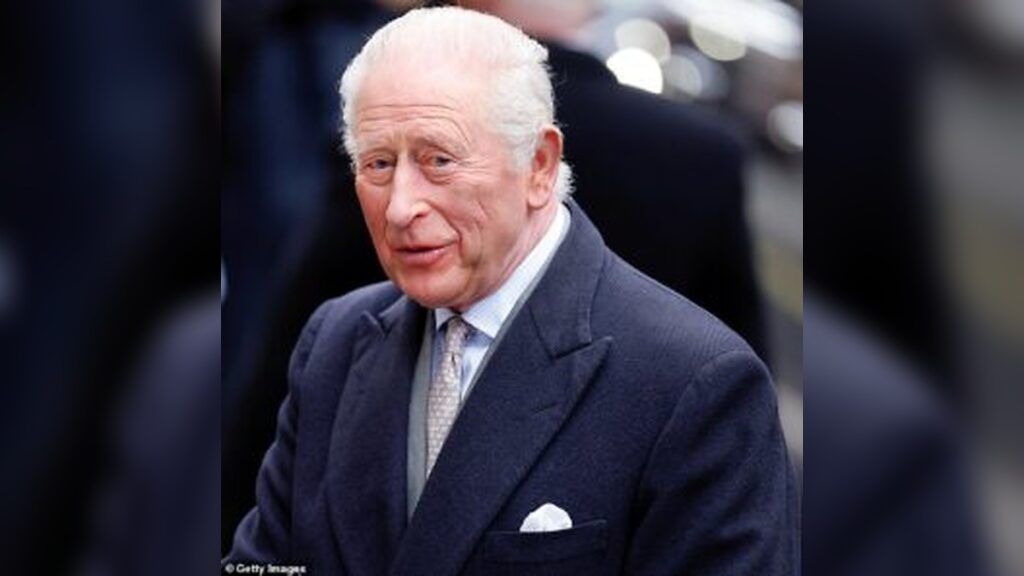
Recent headlines celebrating King Charles III’s decision to disclose the amount of tax he paid have been welcomed by some as a landmark moment for royal openness.
However, critics argue the announcement leaves far more unanswered questions than it resolves.
While Buckingham Palace has portrayed the move as an unprecedented display of transparency, skeptics believe the limited financial disclosure falls well short of revealing the true picture of the monarch’s personal wealth and tax obligations.
Tax Figure Revealed—but Not the Full Story
The Palace confirmed that the King paid £12.9 million in tax during the 2024-25 financial year, marking the first time a reigning British monarch has publicly disclosed such a figure.
Yet questions remain over how that amount was calculated.
Details about the King’s taxable income, earnings from private investments and deductions linked to official duties have not been made public.
Critics argue that without those figures, it is impossible to judge whether the tax payment accurately reflects the scale of the monarch’s personal fortune.
Comparisons With Other High Earners Raise Eyebrows
The debate intensified after comparisons were drawn between King Charles and wealthy public figures outside the Royal Family.
Singer Harry Styles reportedly paid almost £25 million in tax during the same period—roughly double the King’s contribution—despite estimates placing his personal wealth significantly below that of the monarch.
Those comparisons have fueled questions about whether the King’s financial affairs remain shielded from the level of public scrutiny applied to other high-profile taxpayers.
Royal Wealth Remains Under the Spotlight
Estimates suggest King Charles is personally worth hundreds of millions of pounds, while the broader collection of royal assets—including the Duchy of Lancaster and extensive property holdings—is valued in the billions.
The Royal Family also retains access to an enormous portfolio of residences, ranging from palaces and castles to country estates and cottages.




Critics argue that continued secrecy surrounding the monarchy’s finances is becoming increasingly difficult to defend at a time when many households face rising living costs and economic uncertainty.
Timing of the Announcement Questioned
Some commentators believe the financial disclosure was carefully timed to improve public perceptions of the monarchy.
Support for the institution has faced renewed pressure in recent years due to ongoing controversies involving Prince Andrew and wider criticism over the privileges enjoyed by members of the Royal Family.
Against that backdrop, the Palace’s emphasis on the King’s tax contribution has been interpreted by some observers as an effort to reinforce public confidence rather than a comprehensive exercise in transparency.
Political Theatre Continues in Westminster
Attention also turned to politics as Andy Burnham formally entered Parliament ahead of an expected transition to the role of prime minister.
His arrival generated discussion over both his carefully managed public image and the symbolism surrounding his appearance, with critics questioning whether his informal style is part of a broader political branding strategy.
The episode added another chapter to the increasingly personal exchanges between Burnham and Conservative leader Kemi Badenoch.
Nottingham Maternity Scandal Renews Accountability Debate
The findings of the long-running investigation into maternity care failures at Nottingham University Hospitals NHS Trust have reignited calls for accountability.
The inquiry concluded that hundreds of mothers and babies either died or suffered avoidable harm over many years, yet critics point out that no senior NHS executive has lost their position as a consequence.
The revelations have intensified frustration among affected families, many of whom spent years campaigning for recognition of systemic failures.
Celebrity Stories Spark Fresh Debate
Elsewhere, several high-profile figures have remained in the public spotlight.
Rod Stewart’s recent health struggles during a concert have prompted renewed discussion about whether veteran performers should consider retirement after decades on stage.
Actress Milly Alcock has attracted attention for describing her interpretation of Supergirl as challenging traditional gender expectations, while Jodie Comer generated headlines with comments about her dream of living a quieter life focused on gardening.
Katie Price has also returned to television with a new documentary series examining her personal life, prompting reflection on her dramatic public transformation while acknowledging her longstanding care for her disabled son, Harvey.
Cheryl Praised for Long-Term Financial Decision
Singer Cheryl has been widely commended after revealing that her son Bear will not receive the inheritance left by his late father, Liam Payne, until adulthood.
She said delaying access to the fortune is intended to protect him from the pressures that can accompany sudden wealth at a young age, reflecting concerns shaped by Payne’s own struggles before his death.
Questions Continue Across Public Life
From royal finances and political leadership to healthcare accountability and celebrity culture, the week’s events have generated debate across multiple fronts.
Whether discussing transparency, responsibility or public image, each controversy highlights growing demands for greater openness from institutions and individuals who occupy positions of influence.

