
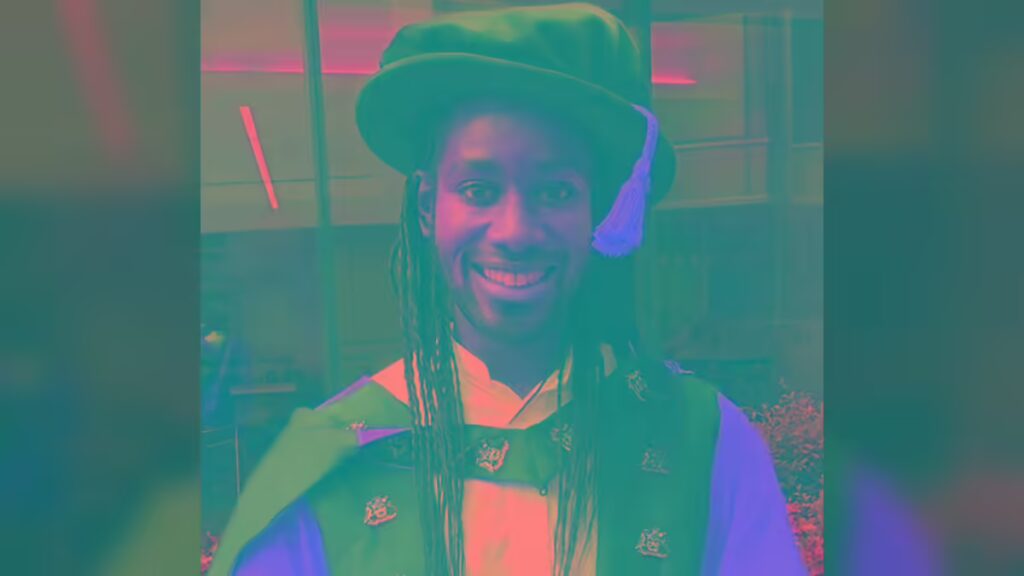
Cambridge University sociology professor Jason Arday has become the focus of growing public debate following renewed allegations concerning his academic work and questions surrounding several widely publicized claims about his personal achievements.
The controversy has expanded beyond academia after reports highlighted similarities between portions of Arday’s doctoral thesis and earlier academic research, while additional scrutiny has been directed toward long-standing claims regarding his charitable fundraising and endurance challenges.
Plagiarism Allegations Resurface After Earlier Publication Was Shelved
Attention intensified after academic Nathan Cofnas, formerly affiliated with Cambridge’s Emmanuel College and now based at Ghent University, published an analysis alleging that more than 100 passages in Arday’s PhD thesis closely resemble material from a 2009 doctoral dissertation by Paula Zwozdiak-Myers of Brunel University.
The claims gained momentum after being reported by several media outlets, prompting further online examination of Arday’s published academic work.
The allegations follow an earlier episode in which Times Higher Education reportedly investigated similar concerns. According to reports, the publication spent months reviewing the claims before legal representatives from Carter-Ruck, acting for Arday, sent a detailed legal letter warning against publishing allegations of misconduct. The anticipated article was ultimately never published.
Cambridge Maintains Previous Investigations Found No Misconduct
Cambridge University has defended its professor, stating that allegations concerning both his doctoral thesis and selected journal publications had already been investigated by Liverpool John Moores University and the relevant academic journals.
The university said it takes accusations of academic misconduct seriously and maintains that previous reviews found no evidence warranting disciplinary action.
Supporters have also rallied behind Arday, with the Good Law Project organizing a public solidarity letter that argues the renewed criticism forms part of a politically and racially motivated campaign against the academic.
Critics Question University’s Handling of the Case
Not all observers agree with Cambridge’s position.
Some academics and commentators argue that the university risks undermining confidence in academic integrity if concerns are not addressed more transparently. Critics have questioned whether Arday’s widely celebrated personal story and prominence within diversity and inclusion initiatives have influenced how complaints have been handled.



The dispute has further intensified discussions over academic standards, institutional accountability, and equal treatment in misconduct investigations.
Charity Fundraising Claims Also Draw Fresh Questions
Separate scrutiny has focused on Arday’s repeated assertion that he has raised approximately £5.5 million for around 80 charities through endurance fundraising events.
While the professor has frequently cited the figure during speeches and public appearances, reports note that detailed documentation identifying recipient charities or providing a comprehensive breakdown of the donations has not been publicly produced.
One documented fundraising campaign from 2010, involving 30 marathons in 35 days for Shooting Star Children’s Hospices, raised just over £6,000 according to archived fundraising records, with the charity later stating his total contributions to it exceeded £10,000.
Questions have also been raised regarding other reported endurance events after limited contemporary documentation could be located.
Extraordinary Endurance Achievements Face Skepticism
Among the claims attracting attention is Arday’s statement that he completed a 600-mile run from Edinburgh to London within six days.
Ultra-running experts interviewed by media outlets acknowledged that such performances are theoretically possible but described them as exceptional achievements typically associated with elite record-setting athletes. They also noted the apparent absence of extensive contemporary evidence documenting the event.
In another development, Southampton Solent University reportedly amended wording on its website describing one of Arday’s endurance achievements, changing a reference from “600 miles in six days” to “600 miles in 12 days.”
Other Biographical Claims Receive Renewed Attention
Additional elements of Arday’s public biography have also been revisited.
Questions have emerged regarding previous statements about overseas humanitarian work connected to WaterAid. The charity reportedly stated that it does not generally send volunteers abroad, although it noted it was possible Arday may have participated through a partner organization.
Media reports have also revisited Arday’s accounts of overcoming numerous medical challenges, including learning to read as an adult, epilepsy, a brain tumor, and a stroke during his doctoral studies. These aspects of his life story have contributed significantly to his public profile but are now receiving greater examination alongside the broader controversy.
Autobiography Faces Release Amid Heightened Debate
The renewed scrutiny comes shortly before publication of Arday’s autobiography, Great And Unfortunate Things, which has been promoted as a story of resilience and personal perseverance.
With a planned lecture tour accompanying the book’s release, the professor now finds himself at the center of an increasingly polarized debate encompassing academic integrity, institutional oversight, public accountability, and the credibility of widely publicized personal achievements.
At present, Cambridge University continues to stand by its professor, while critics maintain that further independent examination of the allegations is warranted. No findings of academic misconduct have been announced by the university, and the latest allegations remain the subject of ongoing public debate rather than formal new disciplinary conclusions.

