
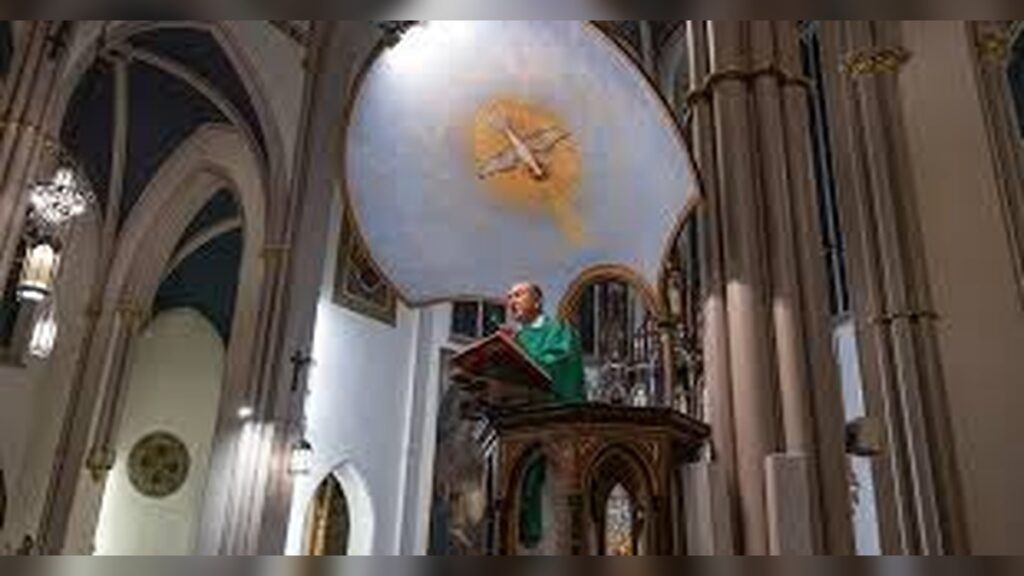
The U.S. Conference of Catholic Bishops has appealed to President Donald Trump to prevent the deportation of hundreds of thousands of Haitian and Syrian migrants following a Supreme Court decision that cleared the way for the federal government to end their immigration protections.
Church leaders warned that forcing many of the affected individuals to return to their home countries could place them in dangerous situations and create lasting hardships for families who have built lives in the United States.
Bishops Warn of Humanitarian Consequences
Bishop Brendan J. Cahill, chairman of the U.S. Conference of Catholic Bishops’ Committee on Migration, issued a public statement urging the administration to reconsider its approach.
He argued that stripping legal status from such a large population raises serious moral concerns, particularly when conditions in their countries of origin remain unstable or unsafe.
According to Cahill, a nation committed to respecting the dignity of every person should avoid policies that leave vulnerable families with impossible choices about their future.
Supreme Court Sides With Homeland Security
The bishops’ appeal came shortly after the U.S. Supreme Court ruled that the Department of Homeland Security has broad legal authority to end Temporary Protected Status (TPS) for Haitian and Syrian nationals.


The June 25 decision affirmed that the executive branch has significant discretion in determining whether countries continue to qualify for the humanitarian immigration program.
As a result of the ruling, more than 300,000 Haitians and over 6,000 Syrians are no longer covered by TPS protections that had shielded them from deportation while allowing them to remain and work legally in the United States.
Alternative Protection Still Available, Bishop Says
Although the Supreme Court upheld the administration’s authority to terminate TPS, Cahill pointed to another option that remains available to the president.
He encouraged Trump to consider granting Deferred Enforced Departure, a separate form of temporary protection that can postpone deportations for humanitarian reasons.
Cahill said exercising that authority would demonstrate compassion for families facing uncertain futures and prevent people from being returned to countries where conditions remain difficult.
Congress Also Faces Renewed Pressure
Beyond urging presidential action, the Catholic bishops called on lawmakers to intervene through legislation.
Cahill said Congress has an opportunity to respond with what he described as the moral courage needed to protect vulnerable migrants from being sent back to unsafe environments.
He added that leaders should strive to avoid a legacy of forcibly removing families to places where security, stability and basic living conditions remain in question, emphasizing that long-term legislative action is needed to address the issue.

