
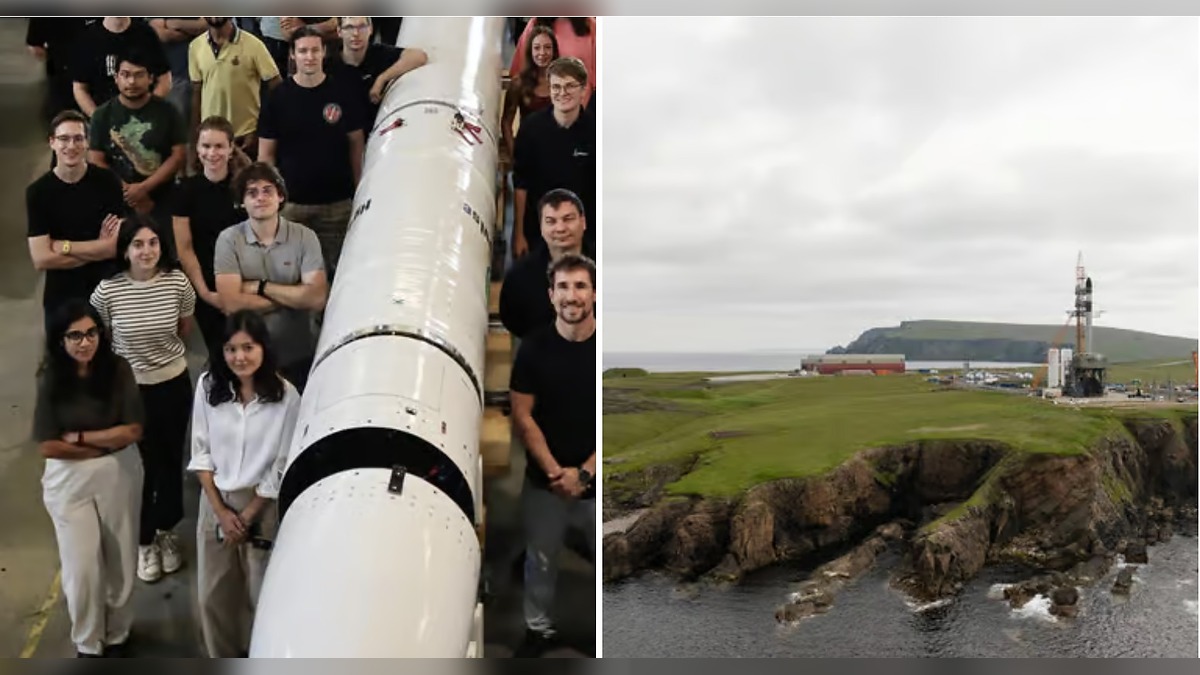
Britain’s ambitions to establish a domestic vertical-launch industry have taken another step forward after German space company HyImpulse secured regulatory approval to operate launches from the United Kingdom.
The Civil Aviation Authority has granted HyImpulse a launch operator licence, allowing the company to move ahead with preparations to fly its SR75 suborbital rocket from SaxaVord Spaceport on Unst in Shetland. The mission is currently being prepared for spring 2027.
HyImpulse Clears Major UK Regulatory Hurdle
The licence follows a regulatory assessment covering areas including HyImpulse’s operational procedures, safety arrangements and proposed launch activities.
Under UK rules, launch operators must demonstrate that risks have been identified and reduced appropriately, while applications also cover environmental, security and cybersecurity requirements.
HyImpulse chief executive and co-founder Christian Schmierer described securing the licence as a major milestone following years of preparation by the company and its partners.
He said the licensing process demonstrated that the company’s procedures, systems and safety case had met the standards required for commercial launch operations in Britain.
SR75 Targeted for Spring 2027 Flight
HyImpulse is now preparing to launch the SR75 from SaxaVord in spring 2027, although additional operational requirements still need to be completed with the CAA and spaceport before the rocket can fly.
The company had previously targeted an earlier launch, but its current timetable takes account of the remaining preparations as well as seasonal weather conditions in Shetland.
Schmierer said the SR75 itself is ready to fly and that the company’s teams have already completed the major technical and operational preparations.




Suborbital Rocket Designed for Research Missions
Unlike an orbital launch vehicle, the SR75 is not intended to place satellites into orbit. It is a single-stage suborbital rocket developed for missions including microgravity experiments, atmospheric research and technology demonstrations.
HyImpulse says the rocket uses a hybrid propulsion system combining paraffin-based solid fuel with liquid oxygen. The vehicle produces around 75 kilonewtons of thrust and is designed to carry scientific and technology payloads on suborbital missions.
The upcoming Shetland flight will not be the SR75’s first launch. HyImpulse successfully conducted its maiden SR75 flight from the Koonibba Test Range in South Australia in May 2024.
Shetland Mission Could Support Larger SL1 Rocket
The SR75 programme also plays a role in HyImpulse’s longer-term plans for its much larger SL1 orbital launch vehicle.
While SR75 focuses on suborbital research and technology missions, SL1 is being developed to transport satellites into orbit. HyImpulse plans to conduct future SL1 operations from SaxaVord as it expands its European launch activities.
The company says development of the orbital vehicle is continuing alongside preparations for the SR75 mission.
SaxaVord Welcomes Latest Progress Toward Launch
SaxaVord chief executive Scott Hammond welcomed the licensing decision, describing it as another important step towards launches from the Shetland facility.
Hammond said obtaining the licence reflected substantial work by both HyImpulse and the CAA and congratulated those involved in completing the process.
HyImpulse and SaxaVord already have a launch services agreement covering the SR75 mission, with the spaceport providing infrastructure and operational support.
CAA Says Momentum Is Building in UK Space Industry
Sue Kee, the CAA’s head of space applications, said the regulator sees increasing momentum towards vertical rocket launches from Britain.
She described the current period as significant for the country’s developing space sector as companies progress towards commercial launch operations.
SaxaVord itself has been licensed as a UK spaceport since December 2023 and is seeking to establish the remote Shetland site as a major European base for vertical launches.
With HyImpulse now through one of its most important regulatory stages, attention will turn to completing the remaining operational requirements and securing suitable conditions for the planned spring 2027 flight.
