
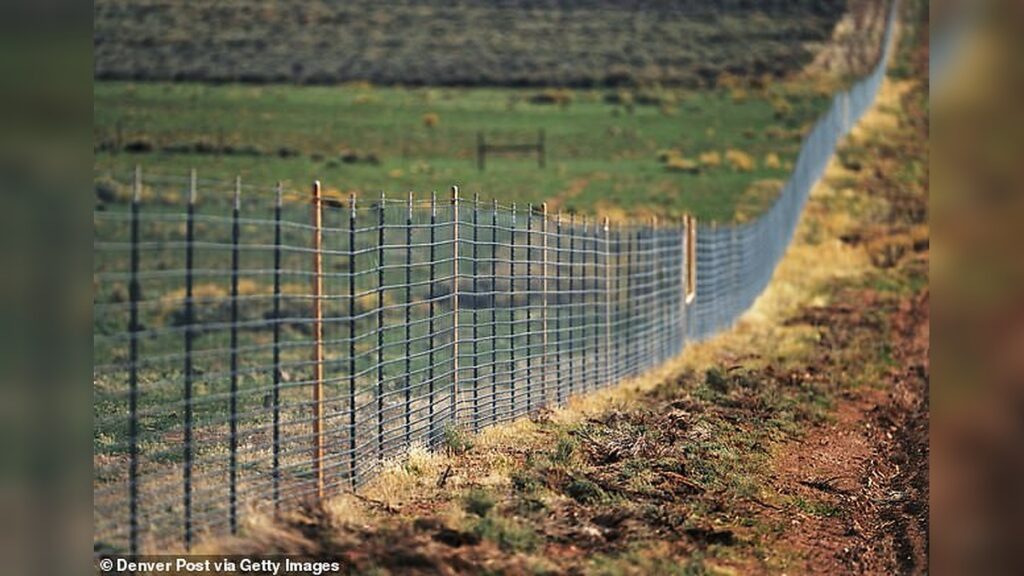
A years-long dispute over a massive barbed-wire fence surrounding one of Colorado’s largest private ranches has entered a new phase after an independent wildlife assessment concluded that the barrier is disrupting animal movement and access to essential habitat.
The report has strengthened calls from residents in Costilla County for ranch owner William Harrison to modify or remove portions of the fence surrounding the sprawling Cielo Vista Ranch, arguing that the structure is harming wildlife and affecting long-standing community rights.
Joint Study Identifies Significant Wildlife Impacts
The environmental assessment, prepared by two consulting firms selected separately by ranch management and county officials, concluded that the extensive fencing restricts the natural movement of several wildlife species.
Researchers found that elk, mule deer and other animals rely on unrestricted travel across the landscape to reach food, water, shelter and seasonal habitats while also escaping predators, hunting pressure and harsh winter conditions.
The report recommends removing sections of fencing in ecologically important areas and modifying other stretches to allow wildlife to safely pass underneath or over the barrier.
Fence Built to Protect Ranch Operations
William Harrison has consistently defended the project, saying the approximately 20-mile-long, eight-foot-high barbed-wire fence was installed to secure the 83,368-acre ranch against trespassers while containing the property’s bison herd.
Publicly, his legal team has rejected accusations that the fence was intended to deny access to individuals with established legal rights to enter the land.
Attorney Jamie Cotter previously argued that Harrison has been unfairly portrayed throughout the dispute and maintained that authorized visitors are not prevented from accessing the property.
Residents Say Barrier Restricts Both Wildlife and Historic Access
Many residents disagree, claiming the fencing serves as a deterrent to descendants of the area’s original Mexican and Spanish settlers, who retain historic legal access rights dating back to an 1844 agreement.
Under those rights, qualifying descendants are permitted to enter portions of the ranch for activities including hunting, timber harvesting and livestock grazing.




Several community members have alleged they faced heightened surveillance from security personnel, cameras and drones while attempting to exercise those rights. One resident claimed he was threatened with a $100,000 fine after entering the ranch with his wife despite asserting lawful access.
Community Voices Frustration Over Fence
Opposition to the project has remained strong since construction began in 2021.
Residents have repeatedly described the fencing as visually overwhelming, comparing parts of it to a prison perimeter while arguing that it has created both environmental and psychological consequences for surrounding communities.
Some local leaders also contend that the project has reduced sightings of elk and deer, trapped mountain lions and smaller wildlife, and contributed to erosion and irrigation problems across the landscape.
Legal Process Continues After Settlement
The current wildlife study stems from a 2024 legal settlement between Harrison and Costilla County that required an independent assessment of the fence’s environmental effects.
Although the report has now been completed, the parties failed to reach agreement by the court-imposed May 15 deadline on how its recommended mitigation measures should be implemented.
As a result, a judge returned the matter to the Costilla County Board of Adjustment in early June for further review regarding which sections of the fence may be subject to county regulations governing high fencing.
County Meeting Highlights Ongoing Community Concerns
Residents addressed county commissioners during a public meeting on June 16, urging officials to ensure the recommendations contained in the wildlife report are carried out.
Community member Joseph Quintana expressed hope that voluntary compliance by Harrison would resolve much of the dispute, saying environmental groups would likely be satisfied if the recommended modifications were implemented and further fence construction ceased.
County officials indicated there were no active negotiations underway concerning the report’s proposed mitigation measures.
Recommendations Call for Wildlife-Friendly Modifications
The report outlines several changes designed to improve wildlife movement while allowing fencing to remain where necessary.
Among the recommendations are wildlife crossings every 1,000 feet, raising the lowest wire to at least 16 inches above the ground, increasing spacing between the upper wires, enlarging openings between rails, and installing highly visible markers to reduce animal collisions.
Researchers also recommended removing fencing entirely in particularly sensitive wildlife corridors.
Existing Wildlife Features May Require Expansion
The assessment noted that the ranch currently includes 29 wildlife jumps intended for large animals such as elk and deer, along with several gates, natural openings and smaller passages beneath sections of the fence.
Harrison had planned to add more wildlife crossings before construction was paused in 2023.
The Cielo Vista Ranch, which also includes Culebra Peak—one of Colorado’s 58 mountains exceeding 14,000 feet in elevation—remains one of the state’s most closely watched private land disputes as environmental, legal and community interests continue to collide.
