
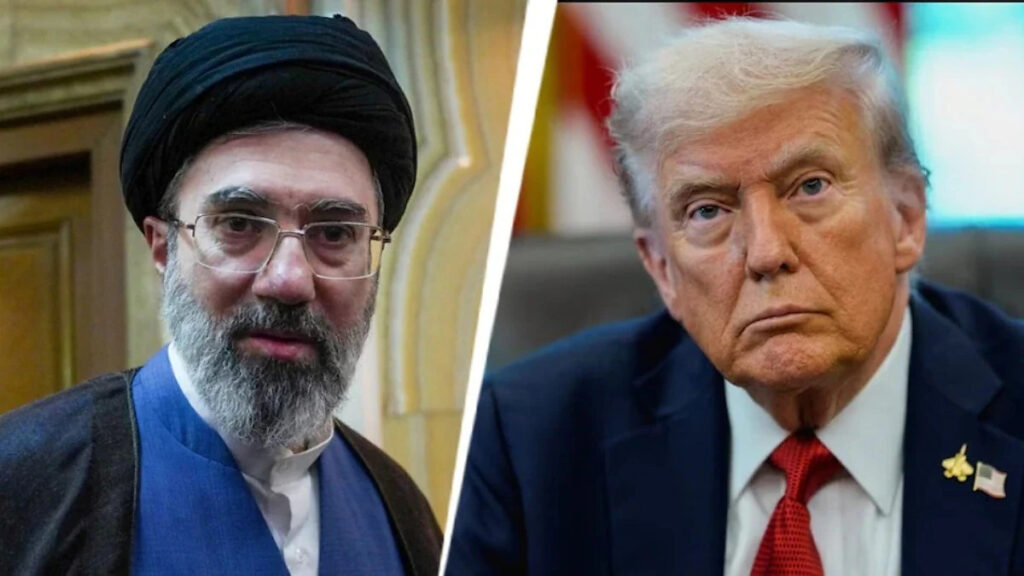
The United States and Iran have reached an agreement to suspend military strikes against one another as both countries prepare for technical-level negotiations in Doha, Qatar, aimed at easing tensions over the Strait of Hormuz.
According to a report by Axios citing senior U.S. officials, the talks are scheduled for Tuesday and will focus primarily on resolving disagreements surrounding navigation through the strategic waterway, an issue that recently triggered renewed military exchanges between the two nations.
Officials Confirm Temporary Stand-Down Agreement
Senior American officials said both governments have agreed to halt all kinetic military operations while diplomatic discussions move forward.
One official explained that both sides made the decision to suspend active hostilities, while another noted that commercial and military vessels are expected to continue operating freely as negotiations proceed. A third source familiar with the discussions also confirmed that the Doha meeting remains on schedule despite the recent escalation.
The temporary pause is intended to create space for negotiators to address maritime security concerns before considering broader issues.
Weekend Escalation Followed Attacks on Shipping and Military Sites
The diplomatic breakthrough comes only days after a sharp increase in military activity between Washington and Tehran.
On Saturday, U.S. forces carried out strikes against multiple targets inside Iran, saying the action was taken in response to continued Iranian aggression against commercial shipping, including an alleged drone attack on a cargo vessel.
Iran responded early Sunday through its Islamic Revolutionary Guard Corps, which announced strikes targeting U.S. military facilities located in Kuwait and Bahrain, further raising fears of a wider regional confrontation.




Strait of Hormuz Dispute Sparked Renewed Crisis
The latest violence unfolded despite an existing memorandum of understanding signed earlier this month that was designed to maintain calm while negotiations continued.
The agreement extended an earlier ceasefire and established a 60-day window for both governments to work toward a broader diplomatic arrangement.
As part of the memorandum, Iran pledged to make every effort to ensure commercial ships could safely transit the Strait of Hormuz. In return, the United States agreed to lift its blockade affecting Iranian ports.
However, disagreements over how the agreement should be interpreted eventually reignited tensions.
Failed Coordination Mechanism Added to Growing Friction
Negotiators meeting in Switzerland last week attempted to prevent misunderstandings by creating a direct communication hotline between the U.S. military and Iran’s Islamic Revolutionary Guard Corps.
The discussions, led by U.S. Vice President Vance, were intended to establish a reliable system for coordinating maritime traffic through the Strait of Hormuz.
Despite the agreement, the hotline had not yet become operational by Saturday. At the same time, Iran resumed insisting that vessels should coordinate with its authorities before passing through the waterway, contributing to the latest dispute.
Doha Meeting Shifts Focus From Nuclear Talks to Maritime Security
The upcoming negotiations were originally expected to take place in Switzerland with Iran’s nuclear program serving as the primary topic.
Following the recent military exchanges, however, officials decided to relocate the meeting to Doha and redirect attention toward resolving the immediate disagreement over the Strait of Hormuz.
Nick Stewart, who leads the U.S. technical negotiating team, is expected to participate in Tuesday’s discussions alongside Iranian representatives.
Broader Diplomatic Framework Remains in Place
Although recent military actions briefly threatened to derail negotiations, officials continue to rely on the broader diplomatic framework established over the past several months.
The memorandum signed in June built upon an earlier ceasefire reached in April, providing a roadmap for future discussions covering sanctions relief, nuclear negotiations, regional stability, and maritime security.
The proposed military coordination hotline remains one of the key confidence-building measures intended to reduce the risk of accidental confrontations as both countries continue negotiations.
