
Momentum is rapidly building behind Andy Burnham to become the next leader of the Labour Party, with senior party figures indicating there is little appetite for a contested leadership race following Sir Keir Starmer’s resignation.
Labour deputy leader Lucy Powell and Housing Secretary Steve Reed both suggested the party is moving toward unifying behind the Greater Manchester mayor rather than entering a prolonged internal contest. Their comments come as Labour prepares to begin the formal process of selecting its next leader.
Party Wants Swift Transition After Starmer’s Departure
According to leading members of the party, Labour’s priority is to restore stability and avoid divisions that could distract from governing.
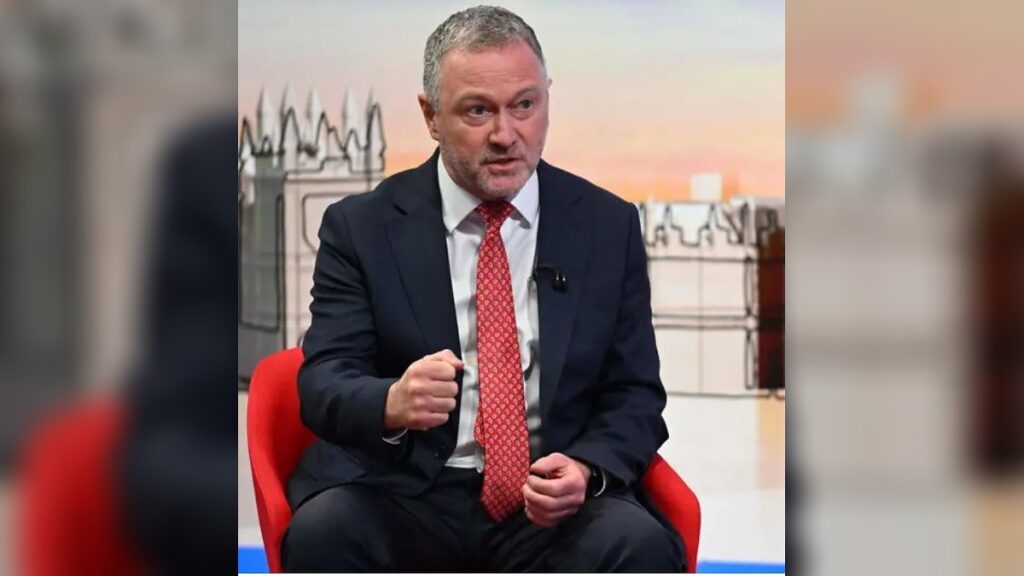
Speaking during a BBC interview, Powell welcomed the prospect of Burnham emerging as the sole candidate, arguing that avoiding a leadership battle would allow Labour to focus on delivering its agenda instead of becoming consumed by internal politics.
She said the party should unite behind its new leader as quickly as possible rather than reopening factional disagreements at a critical moment.
Reed echoed that position, saying Labour needed to move forward without turning inward, describing unity as essential in the aftermath of Starmer’s decision to step down.
Burnham’s Economic Speech Could Shape Remaining Decisions
Although support appears to be consolidating around Burnham, former defence minister Al Carns has not completely ruled out entering the race.
Carns has indicated that his decision will depend largely on Burnham’s upcoming speech in Manchester on Monday, where the expected frontrunner is set to unveil his economic priorities and vision for the country.
The address is expected to place significant emphasis on devolving more powers to local governments, a policy Burnham has championed throughout his political career.




Debate Continues Over Calls for a General Election
The leadership transition has also reignited debate over whether the country should return to the polls following the resignation of a sitting prime minister.
Reform UK leader Nigel Farage has urged an immediate general election, arguing that voters should decide who governs the country. However, the Conservative Party has stopped short of making the same demand.
Powell rejected comparisons with Labour’s previous calls for an election after Liz Truss left office in 2022, arguing that the political and economic circumstances were very different.
She maintained that Britain was facing extraordinary economic instability at the time, whereas the current priority should be allowing the government to continue implementing its programme.
Steve Reed also insisted the situations were not comparable, noting that the Conservatives changed leaders multiple times while in government.
Conservatives Oppose Early Election Despite Leadership Change
Shadow Housing Secretary James Cleverly also argued against holding an immediate election, despite saying his party would be prepared if one were called.
He warned that launching another national campaign would delay major government decisions, particularly those involving defence spending and other pressing national priorities.
Instead, he said Parliament should remain focused on governing rather than returning to the campaign trail.
Devolution Expected to Sit at the Heart of Burnham’s Agenda
One of Burnham’s defining priorities is expected to be expanding the powers available to local and regional authorities across England.
Lucy Powell said Labour’s previous manifesto already included plans for greater devolution but acknowledged that implementation had not progressed as quickly as intended.
She argued that giving local leaders greater authority over transport, skills and employment programmes would help communities respond more effectively to economic opportunities and regional growth.
Leadership Process Moves Ahead
Labour has already announced the timetable for choosing its next leader following Starmer’s resignation earlier this week.
While the formal contest is still scheduled to take place, growing public endorsements from senior ministers have fuelled expectations that Andy Burnham could secure the leadership without facing a significant internal challenge.
Attention now turns to Monday’s economic speech, which is widely expected to outline the direction Burnham would take both the Labour Party and the country should he officially become Britain’s next prime minister.

