
Behind Westminster’s polished corridors, Labour’s senior figures are already circling what could become a dramatic reshaping of the party’s leadership structure, as Andy Burnham moves closer to potentially taking control of No10.
While nothing has been formally confirmed, intense internal lobbying has shifted focus sharply onto who would occupy the most powerful roles in a possible incoming administration—especially the Chancellor position.
Sources within the party describe a fast-moving and competitive atmosphere, with senior MPs positioning themselves early in anticipation of a Burnham-led government.
Chancellor Contest Opens Rift Between Labour Wings
The most closely watched battle is over the Treasury.
Rachel Reeves briefly appeared alongside Burnham in a widely shared “mass selfie” with Labour MPs, a moment that underlined her continued visibility—but insiders suggest it did little to secure her future role.
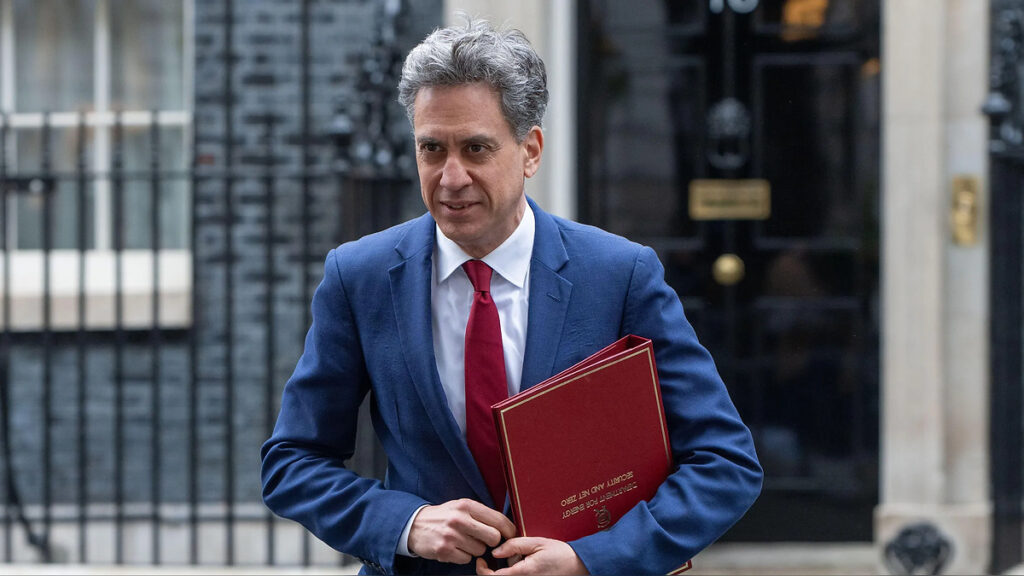
Instead, attention has increasingly turned to Ed Miliband, who is reportedly being strongly backed by left-wing MPs pushing for him to become Chancellor.
His supporters argue he would bring ideological consistency on issues such as climate policy and state-led economic planning.
However, the idea is already causing unease in parts of the labour movement.
Union figures and moderates have expressed concern that Miliband’s strict Net Zero stance and economic outlook could dominate fiscal decision-making in ways they consider too rigid, with some critics privately describing his approach in highly charged terms.
Competing Candidates Emerge for Senior Cabinet Roles
Other names are also being discussed within Burnham’s wider circle.
Wes Streeting is seen as a potential senior figure after stepping back from his own leadership ambitions and aligning himself with the front-runner.




Yvette Cooper is being considered as a more centrist option for a top post, while Shabana Mahmood is also under discussion—though she is thought to prefer remaining in her current role as Home Secretary.
Angela Rayner is widely expected to return to Cabinet, signalling a broader comeback for several senior Labour figures as the reshuffle takes shape.
Burnham’s Inner Circle Begins Taking Shape
Andy Burnham’s political operation has accelerated rapidly following his formal return as an MP and the resignation of Keir Starmer.
Momentum inside the Parliamentary Labour Party appears to be consolidating around him, with claims that rival bids to force a full leadership contest are increasingly unlikely to reach the required threshold of MP nominations.
A major show of support came during a large group photograph in Westminster Hall, where hundreds of Labour MPs gathered around him in a symbolic display of unity.
If current dynamics continue, some insiders believe Burnham could be in position to assume leadership as early as mid-July.
Fears of Division as Policy Direction Begins to Emerge
Despite the growing momentum, not all voices within Labour are optimistic.
Some moderates warn that a Burnham-led government could quickly become unstable, with tensions between ideological factions spilling into governance.
Left-wing supporters, meanwhile, have also voiced frustration, with some describing internal dynamics as chaotic and unpredictable.
Burnham is expected to outline his initial policy direction soon, focusing on economic growth while maintaining Labour’s existing fiscal framework.
His allies insist no ministerial roles have been formally agreed and no backroom deals have been struck.
Early Cabinet Speculation Signals Emerging Power Bloc
Even without confirmed appointments, speculation about key roles continues to intensify.
Josh Simons, the former MP for Makerfield who stepped aside to facilitate Burnham’s return, is widely expected to take on the role of chief of staff.
Louise Haigh is also reportedly positioned for a major return as Chancellor of the Duchy of Lancaster, a powerful role responsible for coordinating government delivery across Whitehall.
Meanwhile, Neal Lawson, a prominent figure in progressive political circles and head of the Compass group, is being linked with a senior policy advisory position.
As Burnham’s influence grows, Labour’s internal balancing act between its left and centrist wings is becoming increasingly visible—and potentially decisive for the shape of any future government.
