
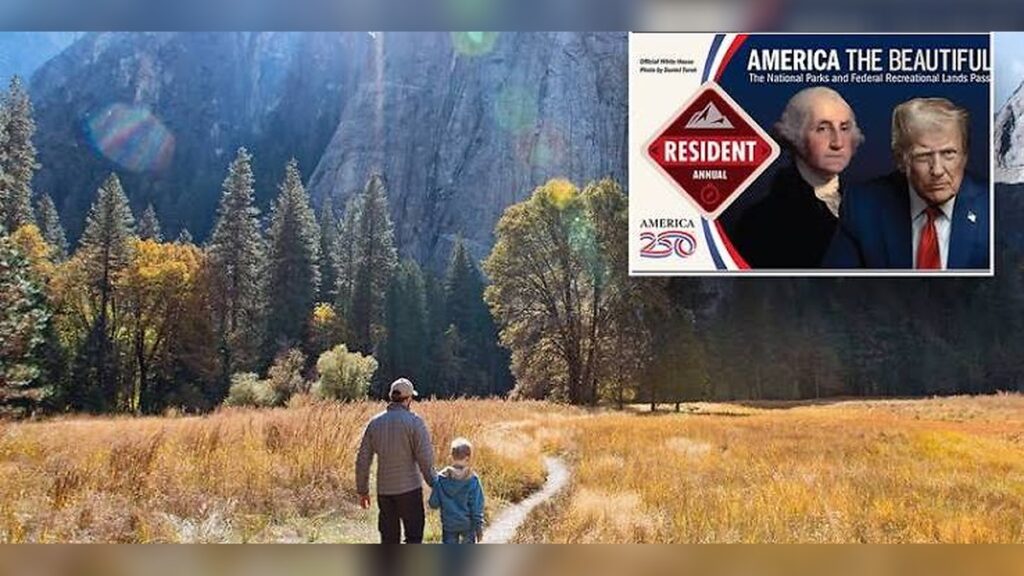
On June 17, 2026, California unveiled a time-limited cultural access initiative tied to Juneteenth and the upcoming 250th anniversary of the United States Declaration of Independence.
The program offers a free special edition of the California State Parks Historian Passport, normally priced at $50, giving residents and visitors expanded access to historical sites across the state.
The pass allows entry for up to four people at more than 30 participating state historic parks and remains valid through the end of 2026 once downloaded before the July 6 deadline.
A Push to Expand Access to California’s Historical Sites
The initiative, announced in Sacramento by state officials, is part of broader efforts to increase public engagement with historical education and outdoor spaces.
The free passport can be downloaded between Juneteenth and early July, providing unlimited visits to eligible parks for the rest of the year.
According to state leadership, the goal is to encourage families to explore California’s layered history—covering Indigenous heritage, migration, industrial development, and civil rights—through direct engagement with preserved sites.
Political Contrast Shapes the Announcement
The rollout also came with a clear political framing.
Supporters of the program, including officials in the administration of Governor Gavin Newsom, contrasted California’s approach to public history access with federal policies under President Donald Trump.
State messaging argued that while federal decisions have reduced or altered certain national park access initiatives and historical presentations, California is expanding free entry opportunities and emphasizing what it describes as a more “complete” interpretation of history.
These claims reflect ongoing political disagreements between state and federal approaches to public land management and historical interpretation.
Parks as Classrooms for Complex History
A central theme of the initiative is the idea that state parks should function as educational spaces, not just recreational ones.
Officials emphasized that California’s historic parks highlight difficult and often complex chapters of American and state history rather than simplifying them.




Sites such as Colonel Allensworth State Historic Park, an early Black-founded town, and Marshall Gold Discovery State Historic Park, tied to the Gold Rush era, are among those featured in the passport program.
Other locations include Indigenous heritage sites, immigrant community landmarks, and preserved cultural institutions that reflect the state’s diverse population history.
Key Parks Featured in the Passport Program
Several historic sites are highlighted as part of the initiative:
Colonel Allensworth State Historic Park preserves the legacy of one of California’s first self-governed Black communities, founded in the early 20th century as a symbol of autonomy and opportunity.
Indian Grinding Rock State Historic Park showcases one of the largest known collections of bedrock mortars in North America and remains deeply connected to Native cultural practices.
Marshall Gold Discovery State Historic Park marks the 1848 discovery that triggered the California Gold Rush, a turning point that reshaped migration and development across the United States.
Weaverville Joss House State Historic Park preserves the oldest continuously used Chinese temple in California, reflecting the long-standing presence and contributions of Chinese immigrant communities.
Expanding Equity Through “Outdoors for All”
The passport release is also tied to California’s broader “Outdoors for All” initiative, which seeks to reduce barriers to accessing public lands.
The program includes additional free or reduced-cost passes for specific groups such as public school students, library cardholders, veterans, and low-income families.
State officials say these programs are designed to ensure that access to parks is not limited by income or background, while also increasing awareness of historical and environmental education resources.
Funding, Expansion, and Long-Term Park Growth
Beyond the free passport program, California is continuing long-term investment in its park system.
According to state officials, more than $1 billion has been allocated toward expanding park access, improving infrastructure, and adding new parklands over time.
The state also notes ongoing collaboration with tribal governments, local agencies, and nonprofit partners to preserve historic sites and expand educational programming across the system.
A Debate Over How History Should Be Presented
The announcement also reflects a broader national debate over how historical narratives are presented in public institutions.
California officials argue their approach emphasizes inclusion and complexity, while critics of federal policy changes claim that some national narratives have been altered or reduced in scope.
These competing perspectives continue to shape discussions about education, public memory, and the role of parks in interpreting American history.
How to Access the Free Passport
Residents and visitors can download the free special edition Historian Passport through early July via California’s official state parks reservation platform.
Once activated, the pass remains valid for eligible park visits through the end of 2026.
Officials encourage early download due to limited-time availability and emphasize that the program is intended to increase long-term engagement with California’s historic and natural landmarks.

