
The Ogun-Osun River Basin Development Authority has warned that deforestation and the dumping of waste into waterways could intensify flooding and increase the risk of loss of life in Nigerian communities.
The warning was issued by the authority’s Managing Director and Chief Executive Officer, Dr Adedeji Ashiru, during activities marking the 2026 World Rivers Day celebration in Abeokuta, Ogun State, on Monday.
The event featured a tree-planting exercise and a public awareness roadshow held under the theme, “No Forest, No Rivers, No Water, No Life.”
Climate change is altering rainfall patterns
Ashiru said the effects of global warming and climate change were becoming increasingly evident in Nigeria, particularly through unpredictable rainfall and flooding.
He noted that communities had recently experienced heavier-than-usual rainfall and flooding, describing the situation as part of a wider global environmental challenge.
According to the O-ORBDA chief executive, addressing the consequences would require action from governments, communities and individuals rather than relying solely on environmental agencies.
Environmental protection requires everyday action
Ashiru stressed that environmental degradation cannot be attributed only to industries or government institutions.
He said ordinary activities carried out by residents also contribute to environmental problems, making individual responsibility an important part of the response to climate change.
The authority used the World Rivers Day campaign to encourage residents to recognise the connection between their daily activities and the condition of forests, drainage systems and rivers.
Tree planting sends a message against deforestation
The tree-planting exercise formed a central part of the day’s activities.
Ashiru said planting trees was intended to reinforce the need to preserve forests, which play an important role in protecting rivers and waterways.
He described the planted tree as a symbol of the authority’s commitment to environmental protection and called on residents to support similar efforts in their communities.
According to him, protecting forests, rivers and waterways can contribute to reducing the effects of both local and wider environmental disasters.
Waste in drains can eventually reach rivers
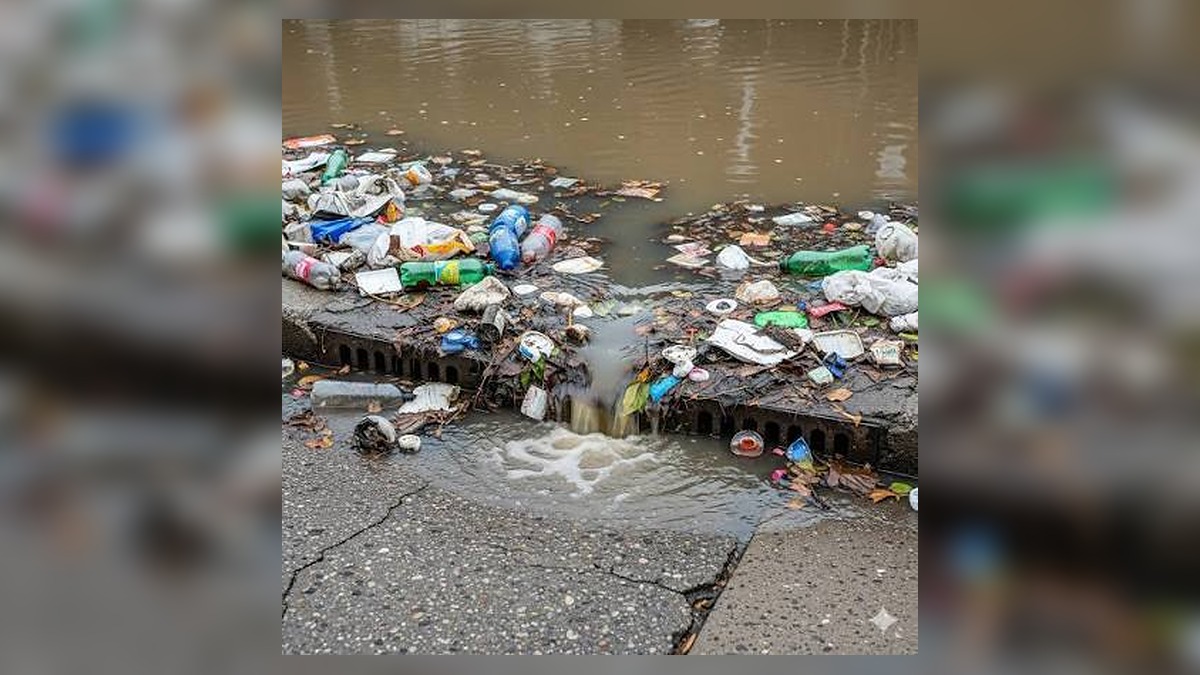
The O-ORBDA chief also drew attention to the connection between neighbourhood drainage systems and major rivers.


He explained that residents may assume their activities have little impact because some rivers are far from their homes. However, waste discarded into local drains can be carried by rainfall into larger waterways.
Once the refuse accumulates, it can obstruct the movement of water and contribute to flooding.
Ashiru warned that the consequences could extend beyond environmental damage, potentially resulting in the loss of lives.
Residents urged to change waste disposal habits
The authority called on residents to take greater responsibility for the disposal of household and other waste.
Ashiru said actions as seemingly small as cutting down trees or dumping refuse into a drainage channel could contribute to wider environmental problems.
He urged communities to treat the protection of trees, drains and waterways as part of their everyday responsibilities rather than issues to be addressed only by government agencies.
Ogun government calls for behavioural change
The Ogun State Commissioner for Environment, Ola Oresanya, also called for changes in public attitudes towards waterways and waste disposal.
Oresanya, who was represented at the event by Kayode Akinwade of the Department of Environmental Quality Control, Water Preservation and Regulatory Services, criticised the practice of blocking waterways with refuse.
He urged residents to adopt cleaner habits and avoid activities that interfere with the natural flow of water.
Trees could help protect riverbanks
Oresanya also highlighted the role of trees in protecting communities located around rivers.
He said planting trees along riversides could strengthen embankments, help control erosion and reduce flooding risks.
The measure, he added, could also provide greater protection for communities living close to waterways.
Forest destruction threatens water and public health
Prof Victoria Ojo of the Department of Pasture and Range Management at the Federal University of Agriculture, Abeokuta, warned that continued destruction of forests could threaten Nigeria’s rivers, water supply and public health.
Speaking as the guest lecturer, Ojo said the relationship between forests, rivers and human survival should be understood as an interconnected environmental system.
She argued that damage to one part of that system could have consequences for the others.
Poor water management can increase disease risks
Ojo further warned that inadequate water management could create conditions that encourage the spread of diseases.
She identified blocked drainage channels, siltation, uncontrolled damming and declining forest cover as factors that can contribute to stagnant or slow-moving water.
Such conditions, she explained, can create favourable environments for disease vectors and pathogens.
World Rivers Day campaign highlights shared responsibility
The Abeokuta event ultimately placed individual behaviour alongside government action in the effort to protect Nigeria’s waterways.
The O-ORBDA urged residents to preserve trees, dispose of waste responsibly and keep drainage systems clear, while environmental experts highlighted the links between healthy forests, functioning rivers, safe water and public health.
The message behind this year’s campaign was clear: protecting rivers begins not only at the riverbank, but also in the communities and neighbourhoods through which their drainage systems flow.

