
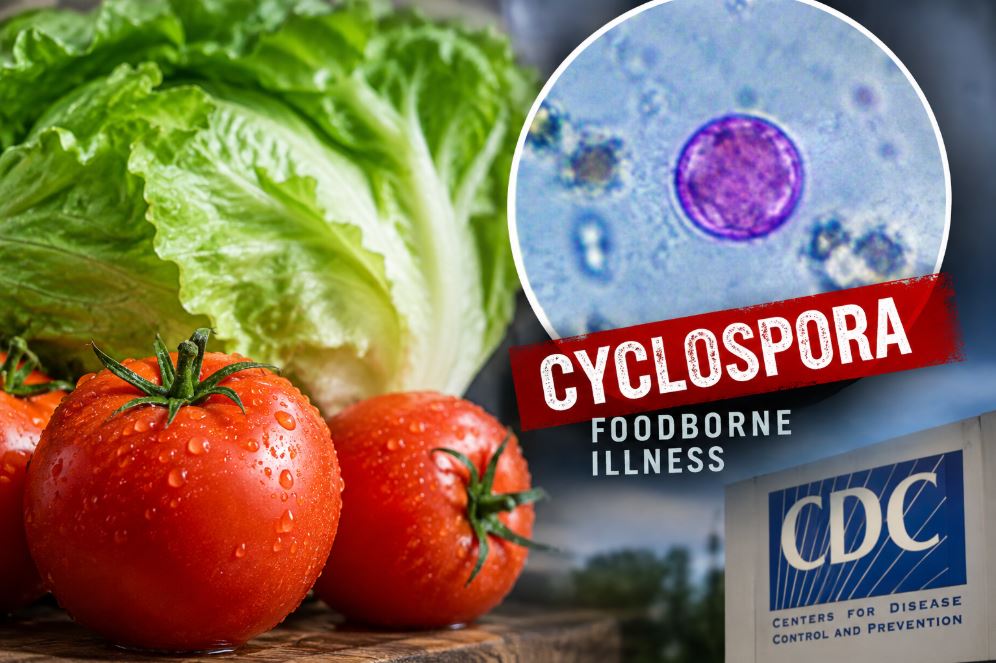
Health authorities in Michigan have confirmed two deaths associated with cyclosporiasis, a parasitic intestinal infection that has been linked to contaminated fresh produce, amid a sharp increase in cases across the United States.
The fatalities were initially reported in August and confirmed by state officials earlier this month. Authorities said both patients had significant underlying health conditions that may have increased their vulnerability to complications from the infection, including dehydration.
Officials have not released the identities, ages or detailed medical circumstances of the two people who died.
Michigan Deaths Come Amid Major Increase in Infections
The fatalities occurred during a significant rise in cyclosporiasis cases that began in May.
Michigan normally records approximately 50 cases in a typical year, but the state experienced a dramatically higher number of infections during the latest surge.
Across the country, laboratory-confirmed infections were reported in dozens of states, while additional suspected cases remained under investigation. Hundreds of patients were reportedly hospitalized nationally.
The illnesses affecting the two Michigan patients began before a product recall initiated in mid-July.
Lettuce Identified in Major Multi-State Cluster
Investigators connected a substantial cluster of infections to iceberg lettuce processed in central Mexico and supplied to restaurants in the United States.
Health authorities investigated the lettuce as cases accumulated across multiple states during the spring and summer.
By September, officials declared that particular lettuce-associated outbreak over after the number of new cases declined significantly.
Fresh produce has repeatedly been associated with Cyclospora outbreaks because many fruits, vegetables and herbs are consumed raw and therefore do not undergo cooking that could otherwise reduce the risk from contamination.
Tomatoes Can Also Become Contaminated
Cyclospora cayetanensis can contaminate various types of fresh produce, including tomatoes, although the Michigan deaths should not be interpreted as evidence that tomatoes were responsible for those particular cases.
Historically, US outbreaks and infections have been associated with products including raspberries, basil, cilantro, snow peas and salad greens, as well as mixed fresh-produce products.
Contamination can occur when food or water comes into contact with human fecal matter containing the parasite.
Because fresh produce may be transported over long distances before reaching consumers, identifying the original contamination source during an outbreak can be challenging.
What Is Cyclosporiasis?
Cyclosporiasis is an intestinal illness caused by the microscopic parasite Cyclospora cayetanensis.




People become infected after swallowing food or water contaminated with the parasite. Once inside the body, Cyclospora affects the small intestine and can trigger prolonged gastrointestinal illness.
Symptoms do not necessarily appear immediately. They commonly begin about a week after exposure, although the timing can vary.
One of the most characteristic symptoms is frequent watery diarrhea.
Diarrhea, Cramps and Fatigue Among Common Symptoms
Infected patients can experience a range of gastrointestinal and general symptoms.
These can include diarrhea, stomach cramps, bloating, excessive gas, nausea and loss of appetite. Patients may also experience substantial tiredness, while some develop a low-grade fever or muscle aches.
Symptoms can sometimes disappear before returning, and untreated illness may continue for an extended period.
Many otherwise healthy people eventually recover, but prolonged diarrhea can lead to dehydration and other complications.
Some Patients Face Greater Risk of Complications
Older adults, young children, people with weakened immune systems and those with significant underlying medical conditions can be more vulnerable to complications.
Persistent diarrhea can cause the body to lose substantial amounts of water and electrolytes, making dehydration an important concern.
Michigan officials indicated that both people whose deaths were associated with cyclosporiasis had serious pre-existing health conditions that could have been affected by the infection and resulting dehydration.
Authorities have not provided additional information linking specific complications to either death.
Antibiotics Can Be Used to Treat Infection
Patients with cyclosporiasis may be treated with a specific combination of antibiotics when medical treatment is considered necessary.
People experiencing prolonged or severe diarrhea, particularly those belonging to higher-risk groups, may require medical assessment to determine whether testing and treatment are appropriate.
Maintaining adequate hydration is also important because diarrhea can cause substantial fluid loss.
Cyclospora Usually Does Not Spread Directly Between People
Unlike some intestinal infections, Cyclospora is generally not transmitted directly from one infected person to another.
After leaving an infected person’s body through feces, the parasite typically requires time under environmental conditions before becoming capable of infecting another person.
That biological process means outbreaks are more commonly associated with contaminated food or water rather than immediate person-to-person transmission.
Parasite More Common in Tropical and Subtropical Regions
Cyclospora is found in many tropical and subtropical areas, including parts of Latin America, the Caribbean, South Asia and the Middle East.
In these regions, contaminated water and agricultural products can provide routes of exposure.
Historically, many US cases were associated either with international travel or consumption of imported fresh produce.
However, recurring foodborne outbreaks have made Cyclospora an important seasonal public-health concern in the United States.
US Outbreaks Have Been Documented for Decades
American health authorities have investigated outbreaks of cyclosporiasis since at least the mid-1990s.
Cases typically increase during late spring and summer, periods when fresh produce consumption is high and seasonal supply chains can involve products originating from regions where the parasite is more prevalent.
The latest surge has again highlighted the challenges involved in tracing microscopic parasites through complex fresh-food supply chains.
While the specific lettuce-linked outbreak has been declared over, the two Michigan fatalities underscore the potential seriousness of an infection that, for many patients, primarily presents as a prolonged gastrointestinal illness.
