
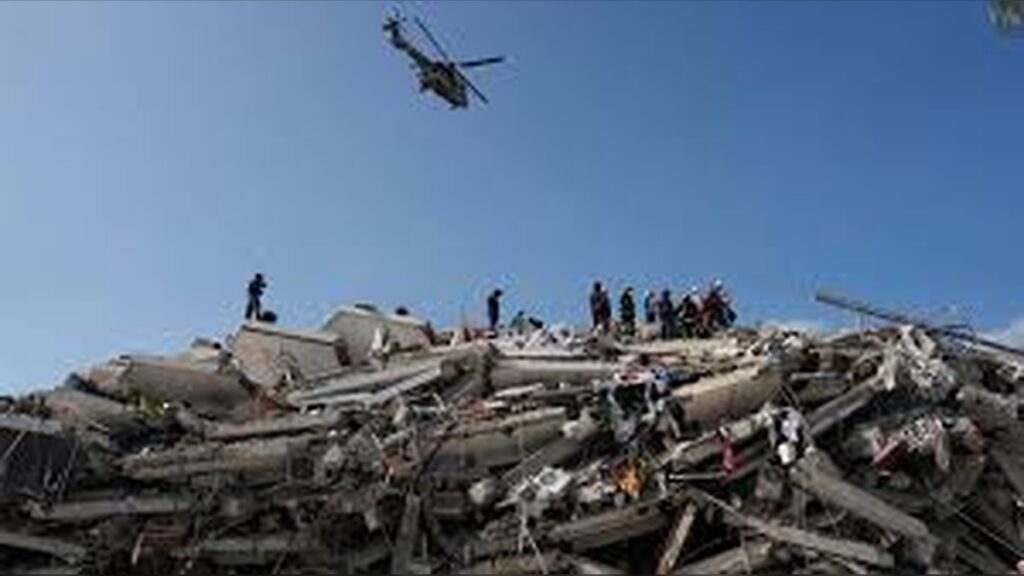
The World Health Organization (WHO) has warned that Venezuela could soon face serious disease outbreaks as its healthcare system struggles to cope with the devastating impact of two powerful earthquakes that have left thousands dead and injured.
Health officials say hospitals are overwhelmed by a surge in trauma patients, while damaged medical facilities and strained resources are raising fears of a wider humanitarian crisis.
Hospitals Overstretched Following Deadly Quakes
The twin earthquakes, measuring 7.5 and 7.2 in magnitude, struck Venezuela last week, causing widespread destruction across several regions.
According to official figures, around 1,700 people have died and approximately 5,000 have been injured.
Authorities have yet to release an official number of missing persons, although some estimates suggest the figure could reach into the tens of thousands.
Speaking in Geneva, WHO spokesperson Christian Lindmeier said healthcare services are operating well beyond their normal capacity as medical teams work to treat a growing number of injured survivors.
Damage to Health Facilities Compounds Crisis
The earthquakes have significantly disrupted Venezuela’s healthcare infrastructure.
Interim President Delcy Rodríguez reported that 38 hospitals suffered damage during the disaster.
WHO assessments conducted across 21 healthcare facilities in Caracas, La Guaira, Miranda and Falcón revealed that three hospitals are in critical condition, while six others have sustained structural damage that has limited their operations.
Although the remaining facilities are still functioning, they continue to experience severe pressure due to the volume of patients requiring treatment.



Growing Fears of Infectious Disease Outbreaks
The WHO warned that the conditions created by the disaster could trigger outbreaks of several infectious diseases.
Officials cited Venezuela’s already low vaccination coverage before the earthquakes as a major concern, increasing the risk of illnesses such as measles and diphtheria spreading among displaced communities.
Health experts are also monitoring the potential rise of mosquito-borne diseases including malaria, dengue, chikungunya and Zika, alongside waterborne infections and yellow fever, as disrupted sanitation and overcrowded shelters create favourable conditions for transmission.
Emergency Response Faces Major Challenges
Beyond treating the injured, emergency responders are struggling with significant logistical problems.
The WHO said early assessments point to overcrowded hospitals, disrupted patient management systems and mounting surgical backlogs, particularly for trauma, orthopaedic and neurosurgical cases.
Medical staff are also working under intense pressure, while biosafety protocols have reportedly broken down in some facilities due to limited resources.
Authorities are further hampered by the collapse of forensic and morgue services, making it increasingly difficult to identify victims, register casualties and track missing people.
Aid Agencies Seek More Support
International humanitarian organisations are expanding their response as the scale of the disaster becomes clearer.
The United Nations High Commissioner for Refugees (UNHCR) warned that tensions are increasing within affected communities because aid distribution remains limited.
The agency has appealed for approximately $14.85 million to provide emergency protection, temporary shelter and essential relief supplies for about 30,000 people affected by the earthquakes over the next six months.
Thousands Left Homeless Need Long-Term Assistance
Doctors Without Borders (MSF) said it is preparing additional assistance for thousands of people who lost their homes in the disaster.
As search-and-rescue operations gradually wind down, the organisation warned that humanitarian needs continue to grow despite the end of the initial emergency response.
MSF also highlighted an urgent need for mental health services, noting that many survivors are experiencing severe psychological trauma after losing family members, homes and livelihoods.
With healthcare systems under immense strain and humanitarian agencies racing to prevent further tragedy, officials warn that the coming weeks will be critical in determining whether Venezuela can avoid a second crisis driven by disease outbreaks and worsening living conditions.

