
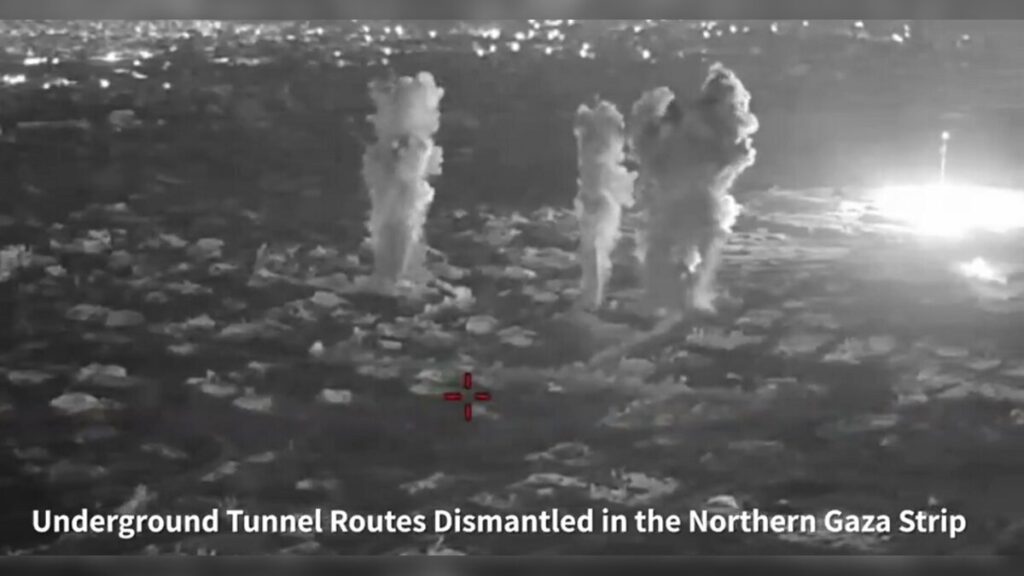
The UK has unveiled more than £20 million in new humanitarian support for people affected by the conflict in Lebanon, as Middle East Minister Hamish Falconer visited Beirut for the first UK ministerial trip to the country since tensions sharply escalated.
The visit combined diplomacy with a new funding pledge, as Britain signaled it wants both immediate relief for civilians and a broader push toward regional stability.
Beirut Visit Marks New Diplomatic Push
During his one-day visit to the Lebanese capital on 16 April, Falconer met senior Lebanese officials to discuss the worsening humanitarian situation and the wider security picture in the region. The UK said the minister used the meetings to restate support for Lebanon and to press for an end to hostilities.
He also backed recent direct talks between Lebanon and Israel, describing negotiations as the most realistic route toward lasting stability and security for both countries.
New Funding Targets Families Forced From Their Homes
At the center of the announcement was a £20.5 million package aimed at helping people displaced by the conflict and those living in areas that are difficult to reach.
The funding is intended to support some of the most vulnerable families, including people driven from their homes by missile strikes and ongoing violence.
British officials said the money will also reinforce Lebanon’s wider crisis response, with support going not only to emergency relief efforts but also to the country’s national systems dealing with the fallout from the conflict.
Support Will Reach Shelters, Medics and Emergency Teams
The new aid package includes funding for the Lebanese Red Cross, particularly its rescue and medical teams, as well as support for shelters designed to better protect women and girls.
The UK also said part of the funding will strengthen national emergency coordination and crisis management systems.
Falconer met healthcare workers and first responders during the visit and thanked them for their work. He also stressed that medical staff and emergency personnel must be protected by all sides, saying attacks on those carrying out vital humanitarian roles are unacceptable.
Funding Adds to Earlier UK Support
The latest pledge builds on the £9.5 million the UK had already announced earlier this year in response to Lebanon’s humanitarian emergency.
British officials said the newly announced support is part of a wider package aimed at helping the country cope with a crisis that has displaced more than a million civilians and caused extensive destruction.


UK Frames Aid Alongside Political Messaging
Falconer said the conflict has brought suffering to families in Lebanon who did not choose war and who are now living with displacement and deep insecurity.
He said the UK is working with international partners to lower tensions and push for a political solution.
The minister also welcomed the Lebanese government’s engagement in direct talks with Israel and its move to ban all Hizballah military activity, presenting both as important steps in trying to reduce the risk of further escalation.
Lebanon Stop Comes Before Wider Regional Diplomacy
After leaving Lebanon, Falconer is due to represent the UK at the Antalya Diplomatic Forum, where regional diplomacy and security will be high on the agenda.
The government said he will take part in discussions on Syria and also hold talks with Middle Eastern counterparts about the urgent need for de-escalation across the region.
Another issue expected to feature heavily is freedom of navigation in the Strait of Hormuz, with the UK repeating its call for the immediate and unconditional reopening of the waterway and for international maritime law to be respected.
Breakdown of the New Aid Package
The funding announced by the UK includes £12.3 million for Lebanon’s Shock Responsive Safety Net and the World Food Programme to help civilians meet basic needs.
Another £2.9 million will go to the Lebanese Red Cross for relief supplies, ambulances and support for the government’s Disaster Risk Management Unit.
A further £3.1 million will be delivered through UNICEF to assist children and vulnerable families in shelters and informal education settings. That support may include education, psychosocial care, child protection services and help for survivors of gender-based violence, depending on local needs.
Impact and Consequences
The new British funding is likely to provide immediate relief for displaced families and frontline responders in a country already under severe strain from conflict.
Support for food, shelter, medical response and child protection could ease some of the most urgent humanitarian pressures, especially for people cut off from regular services.
Politically, the visit also signals that the UK wants to play a more visible role in efforts to calm the Lebanon-Israel front.
By linking aid with diplomatic backing for negotiations, London is trying to position itself as both a humanitarian donor and a partner in regional de-escalation.
What’s next?
The immediate next step will be the rollout of the aid through Lebanese institutions and international partners including the World Food Programme, the Lebanese Red Cross and UNICEF.
On the diplomatic side, attention will shift to Falconer’s meetings at the Antalya Diplomatic Forum, where the UK is expected to continue pressing for de-escalation in Lebanon and across the wider Middle East.
How much impact the new funding and diplomatic push will have may depend on whether hostilities ease and whether direct talks between Lebanon and Israel continue to gain traction.
Summary
The UK has announced £20.5 million in new humanitarian support for Lebanon during Middle East Minister Hamish Falconer’s visit to Beirut, the first such ministerial trip since the recent regional escalation.
The package is aimed at displaced families, emergency responders and vulnerable children, while the visit also carried a political message: Britain wants an end to hostilities, supports direct Lebanon-Israel talks and is pushing for broader regional stability.
Bulleted Takeaways:
- The UK has announced more than £20 million in fresh humanitarian aid for Lebanon.
- The funding was unveiled during Hamish Falconer’s visit to Beirut on 16 April.
- It was the first UK ministerial visit to Lebanon since the recent regional escalation.
- The UK says the money will support displaced people and hard-to-reach communities.
- Funding will go to the Lebanese Red Cross, shelters, crisis response systems and vulnerable families.
- Part of the package will also support children through UNICEF programmes.
- The UK backed direct negotiations between Lebanon and Israel as the best route to lasting stability.
- Falconer also called for an end to hostilities and protection for healthcare workers and first responders.
- The visit comes ahead of the Antalya Diplomatic Forum, where regional de-escalation will remain a key issue.
