
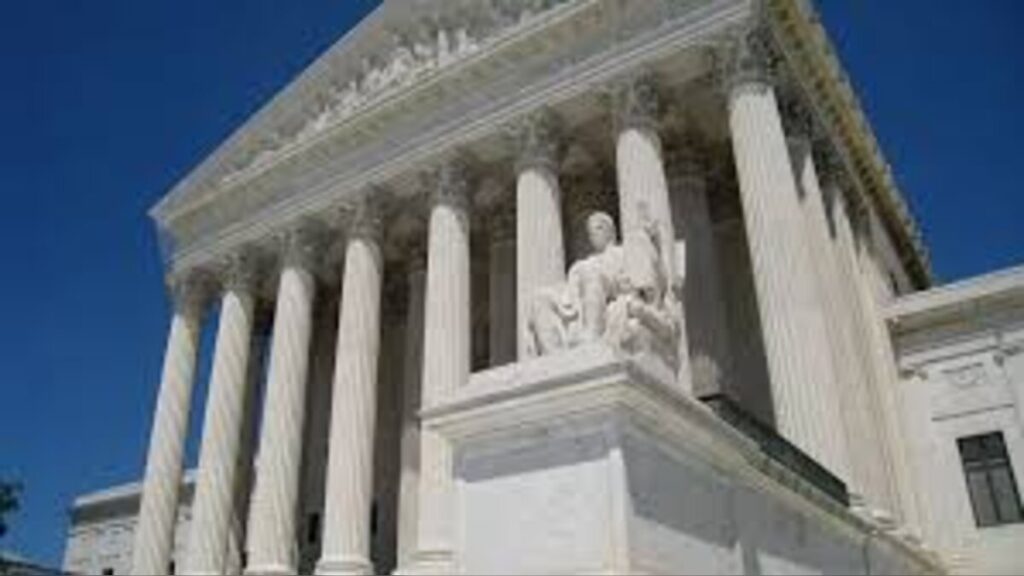
A major religious freedom dispute is now heading toward the US Supreme Court after the National Jewish Advocacy Center filed an amicus curiae brief supporting an Orthodox Jewish resident in Ohio who was ordered to stop holding prayer services inside his own home.
At the center of the case is Daniel Grand, a member of the Orthodox Jewish community in University Heights, Ohio, who says his home was effectively turned into the only place he could properly practice his faith.
A Home Becomes a Place of Worship—and a Legal Flashpoint
The situation began in January 2021 when Grand invited a small group of neighbors to his home for Shabbat prayers, known as a minyan — a required quorum of ten men in Orthodox Jewish practice.
Because Shabbat rules prohibit driving, attending synagogue was not an option for him.
To accommodate the gatherings, Grand even built a 700-square-foot room in his house specifically designed for prayer and community use.
What started as a religious necessity soon became the subject of city enforcement action.
City Officials Step In With a Cease-and-Desist Order
After a neighbor complaint, the city of University Heights issued a cease-and-desist order, arguing that Grand’s home was being used as an unauthorized religious assembly space under local zoning laws.
Officials said his property was located in a single-family residential zone where operating a synagogue or “place of assembly” was not permitted.
The order effectively barred him from hosting prayer services in his own home.
Surveillance Concerns and Community Tension Escalate
Tensions grew further when Mayor Michael Dylan Brennan reportedly encouraged residents to monitor Grand’s property and report any signs of religious gatherings.
Following that, neighbors installed cameras pointed toward his home, and police began making frequent drive-bys.




What was once a quiet residential street became a focal point of suspicion and surveillance.
Courts Decline to Hear the Case—For Now
Grand challenged the city’s actions, arguing violations of the First Amendment and the Religious Land Use and Institutionalized Persons Act (RLUIPA), a federal law designed to protect religious exercise from discriminatory zoning rules.
However, lower federal courts dismissed the case on procedural grounds, saying he must first apply for a special-use permit and be formally denied before the judiciary can intervene.
NJAC and Partner Groups Step Into the Fight
The brief filed by NJAC, along with support from the Orthodox Union and the National Council of Young Israel, urges the Supreme Court to take up the case immediately.
They argue the issue is not just zoning, but the right to practice a core religious obligation without bureaucratic delay or discriminatory enforcement.
Why the Case Is About More Than Zoning Rules
Legal advocates say the requirement of a minyan is not optional in Orthodox Judaism, and for observant Jews who cannot travel on Shabbat, home prayer becomes essential.
The brief also claims the city’s actions reflect a broader pattern where zoning laws are applied in ways that disproportionately restrict visible Jewish religious life, raising serious constitutional concerns.
Impact and Consequences
If the Supreme Court agrees to hear the case, it could reshape how local governments across the United States handle religious gatherings in residential zones.
Cities may be forced to rethink zoning policies that unintentionally restrict religious practices in private homes.
For religious communities, especially Orthodox Jews with strict observance rules, a ruling in Grand’s favor could strengthen protections for home-based worship.
On the other hand, municipalities warn that loosening zoning enforcement could blur the line between private residences and public religious institutions.
What’s Next?
The Supreme Court will first decide whether to accept the case.
If it does, the ruling could set a major precedent on how far cities can go in regulating religious activity in homes under zoning laws.
In the meantime, advocacy groups are likely to continue lobbying and submitting additional briefs, framing the case as a defining test of religious liberty in modern American housing law.
Summary
The dispute involving Daniel Grand in Ohio has evolved into a national legal question about religious freedom and zoning enforcement.
With NJAC now urging the Supreme Court to intervene, the case could become a landmark moment in how US law balances local regulations with constitutional rights to worship.
Bulleted Takeaways
- NJAC filed a Supreme Court brief supporting Daniel Grand’s religious freedom case
- Grand was ordered by University Heights, Ohio, to stop home Shabbat prayer services
- He built a home space for worship due to Shabbat travel restrictions
- City officials issued a cease-and-desist under zoning laws
- Surveillance and police monitoring of his home intensified community tension
- Lower courts dismissed the case on procedural grounds
- Advocacy groups argue the issue involves constitutional religious rights
- Supreme Court decision could reshape US zoning and religious freedom law

