
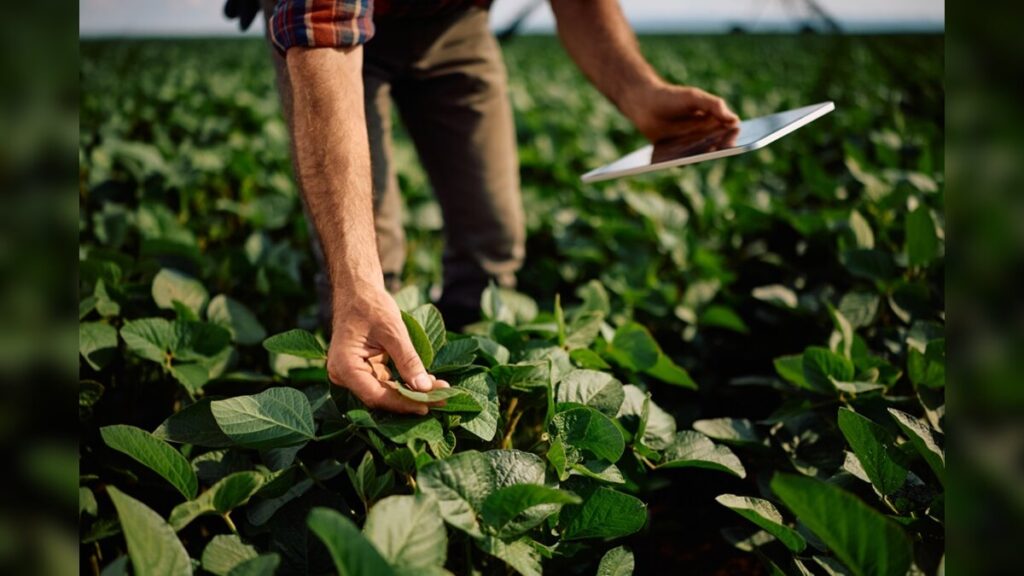
Farming across the UK is about to get a major upgrade, as fresh investment is set to fast-track cutting-edge tools straight into the hands of farmers.
The initiative is designed to close the gap between innovation and real-world use, ensuring that promising technologies don’t sit on the shelf but actually make a difference on the ground.
At the heart of this move is a combined funding package of roughly £50 million, blending government support with strong private-sector backing.
The goal is simple: help farmers work smarter, reduce costs, and build a more sustainable future for agriculture.
Funding Breakdown and What It Means
The investment includes £8 million in public funding alongside about £40 million from private investors.
Together, this funding will support the rollout of up to 12 new agricultural technologies.
These tools are expected to tackle some of the biggest challenges farmers face today—rising costs, labour shortages, and environmental pressures.
From automation to eco-friendly farming inputs, the innovations aim to boost efficiency while reducing reliance on energy, fertilisers, and manual labour.
Nature-Based Solutions Take Centre Stage
A key highlight of the programme is its focus on environmentally friendly farming methods.
One standout project comes from FA Bio, which is developing a “living” biopesticide.
This solution uses beneficial fungi to protect crops like wheat and oilseed rape from destructive pests such as aphids and cabbage stem flea beetles.
Applied at planting, it could offer protection throughout the growing season—cutting down the need for repeated chemical spraying.
Strengthening Forests and Carbon Capture
Another innovative effort is being led by Rhizocore, which is focusing on improving tree survival and growth.
The company is identifying native fungi that help trees establish stronger root systems.
This not only boosts survival rates in forestry and agroforestry but also plays a role in accelerating carbon capture and restoring woodlands—key priorities in tackling climate change.




Government and Industry Speak Out
Angela Eagle emphasized that the initiative is about delivering practical tools that farmers can use immediately.
According to her, the right technology can transform daily farm operations—improving animal health, cutting costs, and making tasks easier.
Meanwhile, Chris Danks highlighted how combining public funding with private investment helps turn promising ideas into commercially viable solutions.
This partnership model is designed to speed up innovation and attract even more funding into the sector.
More Funding on the Horizon
Looking ahead, the government is not stopping here.
An additional £5 million funding round is planned for 2026–2027 to support emerging agri-tech businesses.
This upcoming round aims to help startups scale their innovations and bring new solutions to market faster, ultimately contributing to a more productive and resilient farming industry.
How the Programme Works
The initiative is being delivered through the Farming Innovation Programme in partnership with Innovate UK, part of UK Research and Innovation.
It operates as a blended finance model, meaning companies must secure private investment to qualify for government support.
This ensures that projects are both innovative and commercially viable.
What Innovators Are Saying
Leaders behind the projects say the funding will accelerate their work significantly.
At Rhizocore, CEO Dr Toby Parkes noted that the investment will help gather crucial data on how fungi perform in different soils—leading to better products and stronger environmental outcomes.
Similarly, Dr Angela de Manzanos of FA Bio explained that the programme is helping bring biological alternatives to chemical insecticides to market faster, reducing reliance on synthetic inputs while protecting crop yields.
Impact and Consequences
This investment could reshape how farming operates in the UK.
By reducing dependence on chemicals and heavy labour, farmers stand to cut costs while improving productivity.
Environmentally, the shift toward biological solutions and improved forestry practices could lead to healthier ecosystems, better soil quality, and increased carbon capture.
Economically, the initiative is expected to stimulate growth in the agri-tech sector, creating new business opportunities and attracting further investment.
What’s Next?
The immediate focus will be on rolling out the selected technologies and ensuring they reach farms quickly.
Over the next few years, attention will shift to scaling these innovations and measuring their real-world impact.
The upcoming £5 million funding round will also open doors for new entrants, bringing fresh ideas into the sector and keeping the momentum going.
Summary
The UK is making a strong bet on innovation to future-proof its farming sector.
By combining public and private funding, the initiative aims to deliver practical tools that improve productivity, sustainability, and resilience.
From biopesticides to tree-boosting fungi, the technologies being developed could transform both agriculture and environmental management in the years ahead.
Bulleted Takeaways
- £50 million investment will fast-track up to 12 new farming technologies
- Public and private funding are combined to accelerate innovation
- Biological alternatives to chemical pesticides are a major focus
- New solutions aim to reduce labour, energy, and fertiliser use
- Forestry innovations will improve tree survival and carbon capture
- Additional £5 million funding round planned for 2026–2027
- Programme designed to boost productivity, sustainability, and resilience in agriculture
