
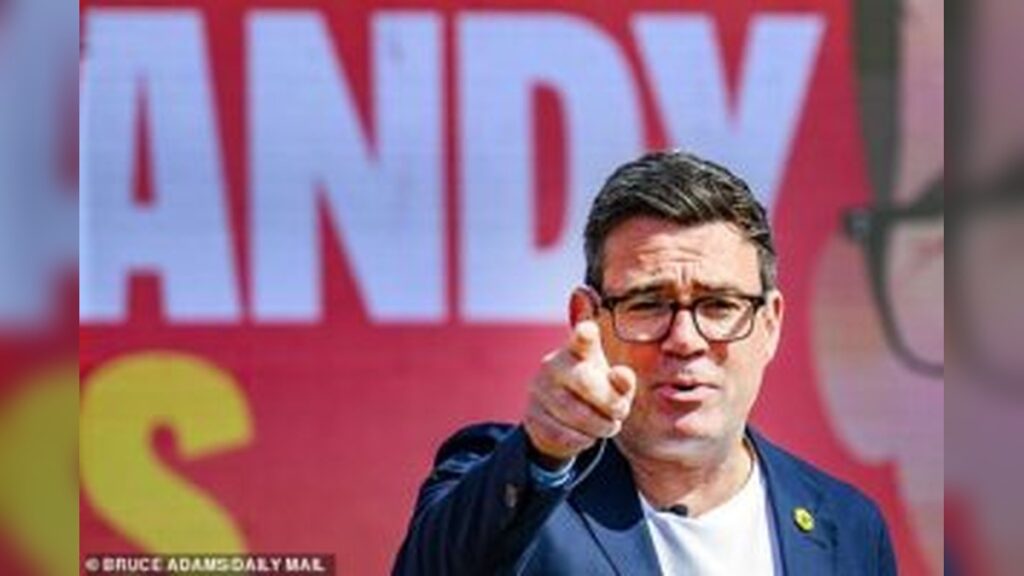
Andy Burnham has intensified the political temperature around the upcoming Makerfield by-election, suggesting the contest could elevate the seat into what he described as the “most powerful constituency in the land.”
In a video message shared on X, the Greater Manchester Mayor linked his long-standing ties to the Wigan area with a broader appeal for support, while also addressing criticism that he may be using the contest as a platform for national ambitions.
His remarks were widely interpreted as an indirect challenge to Labour’s current leadership as internal tensions continue to surface.
Tight Race With Reform as Voters Split Ahead of June Vote
The by-election scheduled for June 18 is shaping up to be highly competitive, with early polling indicating a near dead heat between Labour and Reform UK.
The narrow margins have added pressure to both campaigns, with strategists closely watching turnout and shifting voter sentiment in what is becoming a closely fought contest.
As the campaign unfolds, attention has increasingly turned beyond the constituency itself, with some within Labour viewing the race as an early indicator of broader political momentum heading into the next general election cycle.
Starmer Projects Stability Amid Leadership Speculation
Keir Starmer has sought to project continuity and focus, insisting that his administration remains committed to delivering on its agenda despite ongoing speculation about internal party divisions.
Allies of the Labour leader have firmly dismissed the idea of a leadership challenge, stressing that he intends to remain focused on governance rather than internal disputes.
However, behind the scenes, Labour continues to grapple with ideological disagreements and strategic questions about its future direction, with differing voices emerging over how best to respond to electoral pressure and the rise of Reform.
Blair’s Intervention Rekindles Debate Over Labour’s Direction
Former Prime Minister Tony Blair has reignited debate within Labour after warning that the party risks drifting into a “dangerous” ideological shift.




Blair has advocated a “radical centrist” approach, arguing for economic growth through controlled public spending and reduced pressure on taxation.
His comments have sparked fresh disagreement among senior figures, particularly over welfare policy, state intervention, and net zero commitments.
While Blair urged caution against moving further left, his intervention has instead amplified divisions over the party’s long-term identity.
Burnham Challenges Thatcher-Era Economic Legacy
In a separate intervention, Burnham criticised what he sees as the long shadow of free-market policies shaped during the era of Margaret Thatcher, arguing that decades of deregulation have left structural weaknesses in the UK economy.
Writing in The Times, he argued that Greater Manchester’s relative success demonstrates the benefits of strong state involvement in economic planning, particularly in infrastructure, transport, energy, education, and housing.
According to Burnham, reliance on market forces alone has failed to deliver balanced regional growth, contributing to long-term inequality.
He also linked the 2008 financial crisis to deregulation, suggesting it triggered lasting political instability and declining living standards across the UK.
Starmer Rejects Blair Criticism and Defends Policy Choices
Responding directly to Blair’s critique during a visit to a London train depot, Keir Starmer defended the government’s approach, arguing that its policy decisions were appropriate given the economic conditions inherited in 2024.
He acknowledged the importance of internal debate but rejected the idea that current policies represented a fundamental misjudgement.
The Labour leader maintained that his government’s priorities remain focused on stability and delivery rather than ideological repositioning.
Labour Faces Internal Debate Over Future Direction
Blair’s wider intervention also included criticism of Labour’s policy agenda, particularly its stance on workers’ rights, minimum wage expansion, and welfare policy.
He warned that the party risks electoral damage without a coherent long-term economic strategy.
He further argued that Labour has become overly comfortable in left-leaning policy positions and urged a return to a more centrist framework to maintain electoral competitiveness.
The comments have added further intensity to an already unsettled debate within the party about its direction ahead of the next general election.

