
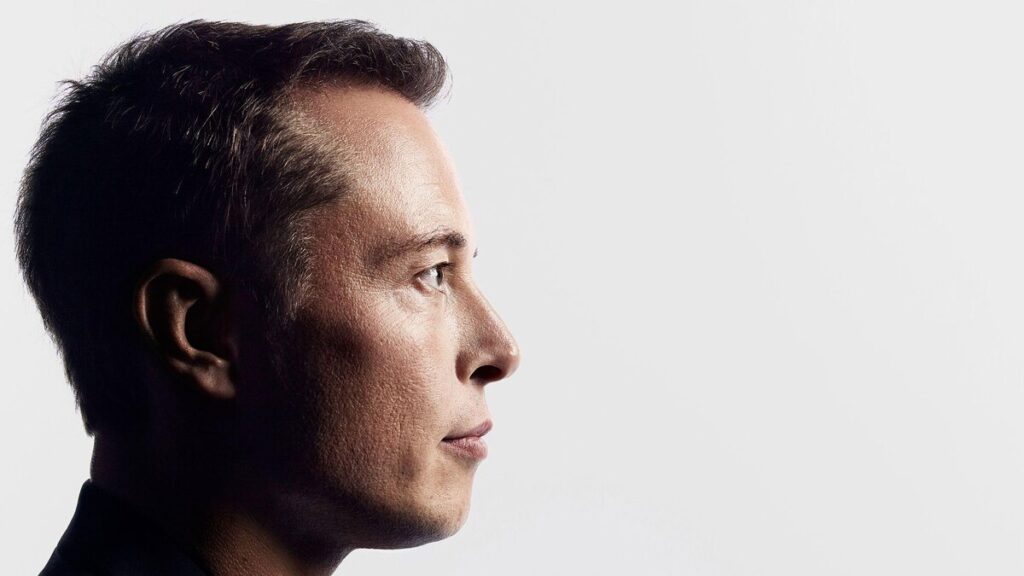
Elon Musk has called for international sanctions against South Africa, accusing the country of enforcing “racist laws” and promoting “genocide,” escalating a long-running public dispute over governance and business regulation in his country of birth.
His remarks, made on his social media platform X, have reignited political debate and drawn contrasting responses from officials and even his own family.
Musk Accuses South Africa of Discriminatory Policies
Musk has repeatedly criticized South African laws, claiming they restrict the operations of his satellite internet company, Starlink.
He argues that regulatory frameworks amount to unfair treatment, while South African officials have countered that compliance with transformation policies such as Black Economic Empowerment is required under national law.
Government representatives have rejected Musk’s claims, describing them as inaccurate and politically motivated.
Calls for Global Action and Sanctions
In recent posts, Musk escalated his criticism by urging other countries to isolate South Africa economically.
Responding to news that a South African minister would not attend an international summit, he wrote that the country should be “shunned” and later called for “severe sanctions” until he believes policy changes are made.


Errol Musk Offers Contrasting View of South Africa
While Elon Musk continues his criticism abroad, his father Errol Musk, who lives in Langebaan in the Western Cape, has publicly defended the country.
In interviews, Errol described South Africa as one of the most livable countries in the world, praising its food, people, and overall quality of life.
He also rejected claims of widespread racial tension, saying he experiences little to no racism in the country.
Family Divide Over South Africa’s Image
The differing views between father and son highlight a public split in how South Africa is portrayed by the Musk family.
Elon Musk frames the country as facing systemic governance issues, while Errol Musk emphasizes its livability and cultural strengths.
Impact and Consequences
Musk’s comments have the potential to influence international perceptions of South Africa, particularly among investors and global tech stakeholders.
However, they have also sparked criticism from officials who argue that his statements oversimplify complex economic and social policies.
What’s Next?
The debate is expected to continue as Musk maintains his public criticism of South African policy, while government officials continue defending their regulatory framework.
Attention may also turn to whether his remarks influence diplomatic or trade discussions involving technology regulation and foreign investment.
Summary
Elon Musk has called for sanctions against South Africa over alleged discriminatory laws, while his father Errol Musk has defended the country, praising its quality of life and rejecting claims of widespread racism.
Key Takeaways
- Elon Musk called for sanctions on South Africa
- He claims regulatory laws are restricting Starlink operations
- South African officials deny the accusations, citing compliance laws
- Errol Musk praised South Africa as highly livable
- The contrasting views highlight a public family divide over the country’s image
