
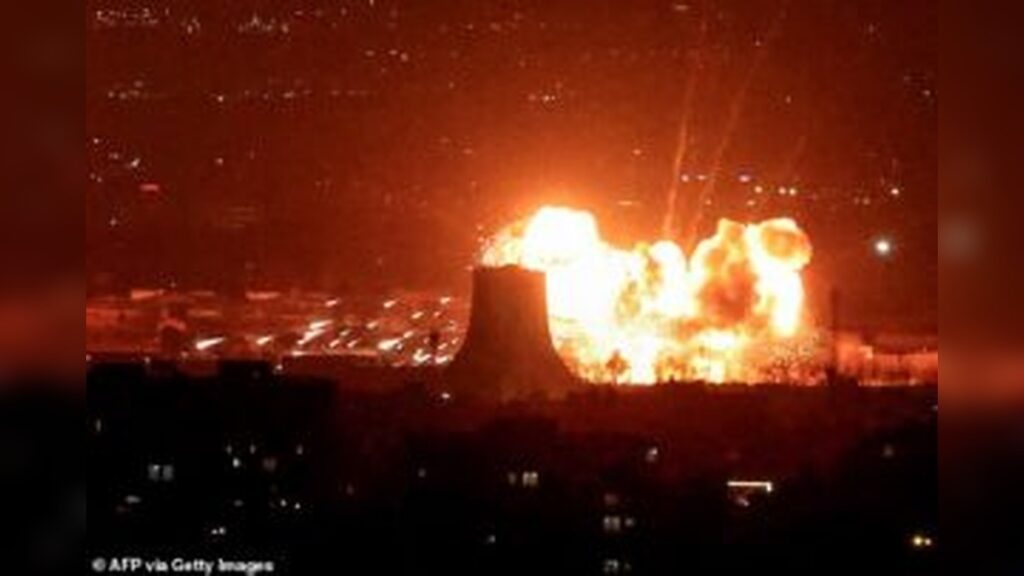
The White House has submitted a sweeping emergency funding request to Congress totaling nearly $90 billion, with the overwhelming majority tied to military operations and recovery efforts following the months-long conflict with Iran.
The proposal would provide billions of dollars to replenish depleted U.S. weapons stockpiles while also allocating money for several domestic and international priorities, setting the stage for what is expected to be a contentious debate on Capitol Hill.
Pentagon Accounts for Largest Share of Request
Most of the funding package is directed toward the Department of Defense, which would receive approximately $67 billion under the proposal.
A further $2 billion has been requested for the U.S. Coast Guard to support missions connected to Operation Epic Fury, while smaller allocations would go to other federal agencies involved in wartime operations.
The FBI is slated to receive about $40 million, while the Department of Energy would receive roughly $95.5 million to cover activities linked to the Iran conflict.
Billions Needed to Replace Expended Weapons
One of the Pentagon’s biggest priorities is rebuilding its arsenal after months of sustained military operations.
The administration is requesting $21 billion specifically to replenish munitions that were heavily used during the war. While officials did not identify individual weapons systems in the funding request, the conflict is believed to have significantly reduced inventories of advanced missile systems, including Patriot, THAAD, Tomahawk, and SM-3 interceptors.
The exact size of America’s remaining missile stockpile remains classified, but President Donald Trump has repeatedly urged defense manufacturers to accelerate production to meet growing military demands in both the Middle East and the Indo-Pacific region.
No Funding Included for Damaged U.S. Bases
Despite the extensive military spending request, the proposal does not include funding to rebuild American military installations damaged during the conflict.
Instead, the administration is seeking $300 million for the Department of State to repair and restore diplomatic facilities, including embassies located in Bahrain, the United Arab Emirates, Pakistan, and Saudi Arabia.




War Cost Estimates Continue to Climb
The latest request reflects a dramatic increase in the administration’s estimate of the war’s overall cost.
In early May, Secretary of Defense Pete Hegseth told lawmakers that military operations had cost roughly $29 billion, a figure that immediately drew skepticism from critics who argued it underestimated the true expense.
Now, despite a ceasefire having been in effect for several months, administration officials estimate the overall cost has climbed to approximately $70 billion, raising new questions from lawmakers about how the conflict has been financed.
Democrats Condemn Supplemental Spending Proposal
Congressional Democrats quickly criticized the White House request, arguing that it extends far beyond covering the costs of the Iran war.
Senator Patty Murray accused the administration of failing to adequately explain both its military objectives and the financial burden of the conflict, saying lawmakers have received insufficient information throughout the war.
She also argued that the supplemental request includes billions of dollars for unrelated Pentagon initiatives rather than focusing solely on wartime expenses.
Representative Rosa DeLauro, the ranking Democrat on the House Appropriations Committee, echoed those concerns, stating that Democrats would oppose additional funding for what she described as an unnecessary military campaign after both chambers of Congress voted to end U.S. involvement.
Funding Request Arrives Amid Congressional Pushback
The administration’s appeal for additional money comes during a period of increasing congressional scrutiny over presidential war powers.
Earlier this week, the Senate approved a resolution intended to limit President Trump’s ability to engage in future overseas military operations without congressional approval.
Although the measure is largely symbolic given the broad constitutional authority granted to presidents during military conflicts, it reflects growing bipartisan frustration over the administration’s handling of the war.
Lawmakers from both parties have repeatedly complained that the White House has not provided sufficient briefings regarding military operations or diplomatic negotiations surrounding the conflict.
Package Also Includes Domestic Priorities
In addition to military spending, the emergency funding proposal contains billions of dollars for non-defense initiatives.
The White House is seeking more than $11 billion in economic assistance for American farmers, $1.4 billion to combat an Ebola outbreak, $1 billion to modernize New York City’s Penn Station, and another $500 million for restoration and construction projects throughout Washington, D.C.
Those additions are expected to become part of the broader debate as Congress considers whether to approve one of the administration’s largest supplemental spending requests in recent years.

