
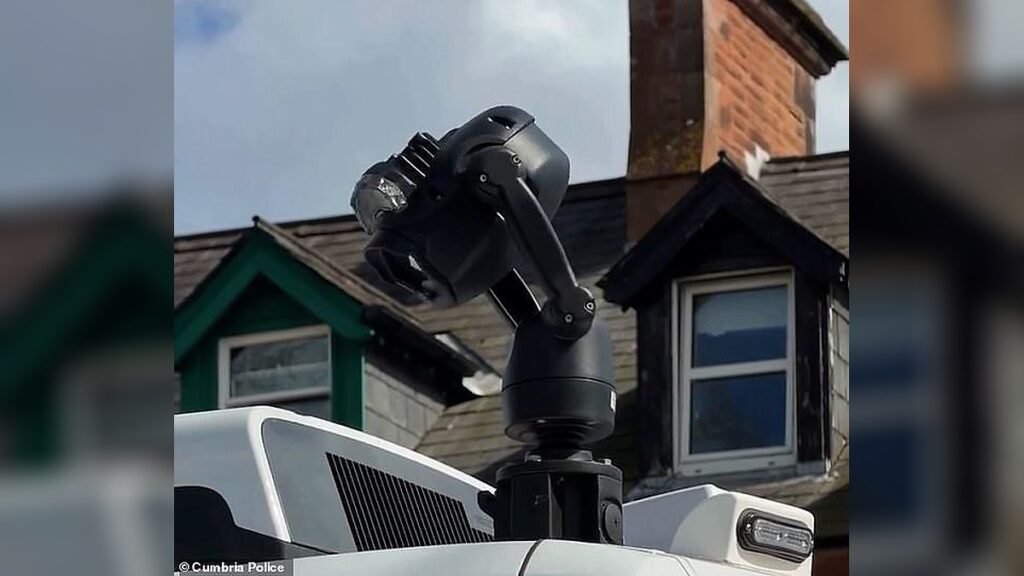
A fierce internal dispute has broken out among Traveller leaders as plans to introduce live facial recognition technology at the upcoming Appleby Horse Fair spark accusations of betrayal, discrimination claims, and public safety arguments.
The controversy centres on a new policing strategy backed by Cumbria’s Fire and Crime Commissioner David Allen, who has confirmed that AI-driven cameras will be deployed at the annual gathering for the first time following a sharp rise in arrests last year.
Thousands arrive in wagons ahead of historic gathering
Hundreds of Gypsy, Roma and Irish Traveller families began arriving in Appleby ahead of the fair, travelling in traditional horse-drawn wagons and caravans as the town prepared for one of Europe’s largest travelling communities’ gatherings.
The event, which begins this week and runs until June 10, typically draws tens of thousands of visitors for horse trading, social gatherings and cultural displays that have taken place in the area for centuries.
Police defend AI rollout after rise in arrests
Cumbria Police has defended the decision to introduce live facial recognition, describing it as a targeted tool to identify individuals already wanted by authorities or flagged for risk.
Commissioner David Allen has argued the technology will help deter criminality and improve safety at a site that saw its highest arrest figures in recent years, including 123 arrests at the last fair, many linked to drink and drug driving.
Police officials say the system will compare live camera images against a secure watchlist, with any potential matches verified by officers before action is taken on the ground.
Community backlash and accusations against organiser Billy Welch
The move has triggered intense backlash within sections of the Traveller community, with critics accusing fair organiser Billy Welch of effectively cooperating with law enforcement.
Welch, widely known as a senior organiser of the event, has been labelled an “informant” by opponents who claim the surveillance measures unfairly target Travellers and undermine long-standing traditions at the fair.
One outspoken critic, Manchester-based Tommy Joyce, who now campaigns against discrimination despite a lengthy criminal history, issued a strongly worded social media statement warning Welch directly and condemning the introduction of surveillance cameras.
Defiant response from organiser supporting safety measures
Billy Welch has firmly rejected accusations of disloyalty, stating his role is to ensure the fair remains safe and enjoyable for all attendees.



He has publicly supported the use of modern surveillance tools, arguing that large-scale public events routinely use CCTV and that facial recognition is simply an extension of existing security measures.
Welch maintains that those who obey the law have nothing to fear, adding that the priority is protecting families, children, and visitors attending the centuries-old gathering.
Violence claims, tradition debate and heated exchanges
Tensions have escalated further after some Traveller voices defended physical confrontations at the fair as part of its traditional culture, a claim strongly disputed by others involved in organising and policing the event.
John Reilly, founder of the Gypsy Traveller League, criticised Welch for not opposing the surveillance rollout, arguing that silence from leadership figures sends the wrong message to the community.
The debate has exposed deep divisions over whether stricter policing represents necessary protection or an erosion of cultural autonomy at the historic gathering.
Security operation expands with seizures and restrictions
Ahead of the event, police confirmed a series of enforcement actions, including the seizure of stolen vehicles such as horse boxes, a car, and agricultural equipment during pre-fair operations.
Officers have also increased roadside checks and issued hundreds of traffic offence reports in preparation for the influx of visitors, with authorities warning that enforcement will continue throughout the week.
Temporary travel restrictions, parking controls, and designated stopping sites have been introduced across Cumbria and surrounding areas to manage the large movement of horse-drawn vehicles.
Record arrests and enforcement history
The debate over security comes against a backdrop of rising enforcement figures.
Last year’s fair recorded 123 arrests, the highest in recent years, with the majority linked to drink and drug driving offences.
Earlier years show a fluctuating pattern, with arrests steadily increasing as attendance and vehicle numbers have grown.
Officials say more than 1,300 caravans and wagons were recorded at the previous event, marking one of the busiest gatherings on record.
Logistics, travel warnings and infrastructure measures
Organisers and authorities have urged early arrivals to plan carefully, highlighting multiple temporary stopover sites across County Durham and Cumbria to ease congestion.
Additional measures include temporary horse tethering areas, restricted parking zones, and the closure of key access points such as Jubilee Ford due to erosion concerns affecting safety.
Local authorities have also deployed extra waste management facilities, including dozens of large bins, to cope with the expected surge in visitors and reduce environmental impact.
Historical context of the fair
The Appleby Horse Fair dates back to 1685 following a royal charter granted by King James II, and has grown into one of the most significant annual gatherings for horse trading and Traveller culture in the UK.
Today, it attracts over 10,000 official attendees during peak days, with the wider population swelling significantly as visitors, traders, and families converge on the small Cumbrian town for a week-long event combining tradition, commerce, and increasingly, modern security scrutiny.
