
South Africans have been advised to take precautions against extreme temperatures as El Niño conditions raise concerns about hotter and drier weather across Southern Africa.
The Department of Health has called on individuals and families to protect themselves against heat-related illnesses, warning that heatstroke can become life-threatening.
The department has urged communities to follow safety measures and share information to reduce the risks associated with prolonged exposure to high temperatures.
Public Advised to Stay Hydrated and Avoid Peak Heat
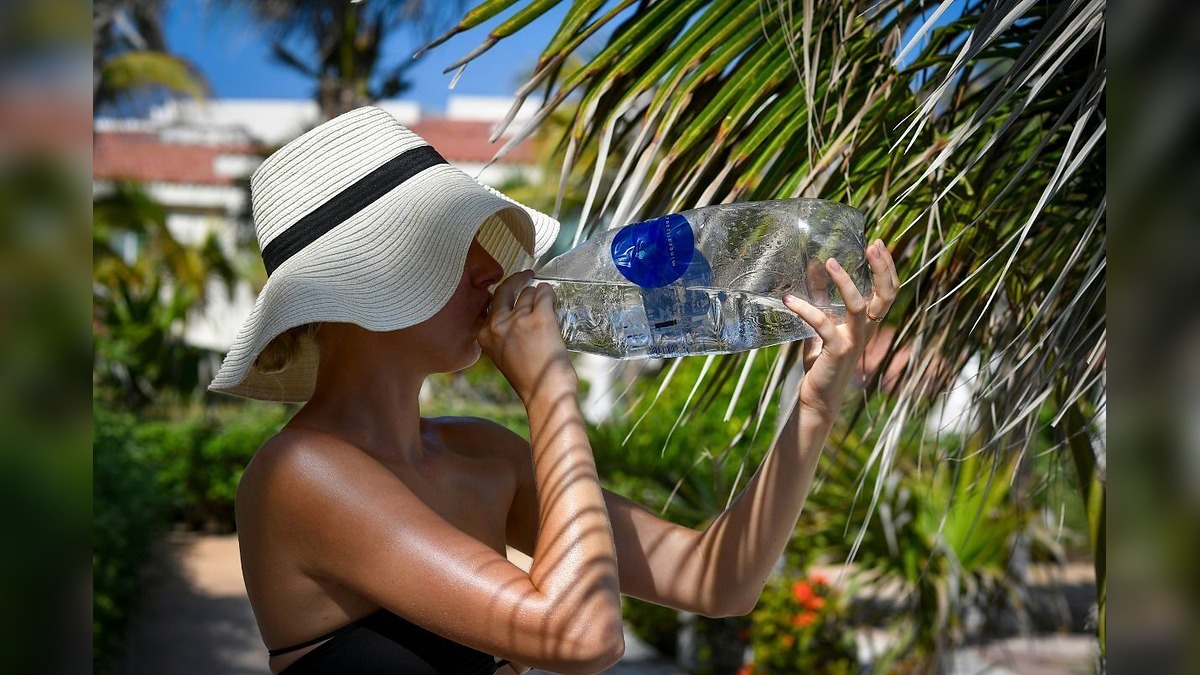
People are encouraged to drink water regularly throughout the day, including when they do not feel thirsty.
The department has also recommended limiting outdoor activities between 11am and 3pm, when temperatures can become particularly uncomfortable.
Wearing loose-fitting, light-coloured clothing is another recommended measure to help the body remain cool during hot weather.




Parents and caregivers have been urged to pay special attention to young children and older people, who may require additional assistance to stay hydrated and avoid overheating.
Pet owners should also ensure their animals have access to sufficient drinking water and a cool place to rest.
Symptoms of Heatstroke to Watch For
The Department of Health has highlighted several warning signs of heatstroke that people should recognise during periods of extreme heat.
These include severe headaches, fainting, dizziness, nausea, vomiting and skin that becomes dry and hot.
Anyone showing signs of heatstroke should be moved to a cool location immediately. Their body should be cooled using water or a wet cloth, and medical assistance should be sought without delay.
How El Niño Can Affect Southern Africa’s Weather
El Niño is a climate phenomenon that develops when parts of the central and eastern tropical Pacific Ocean experience unusually warm sea surface temperatures.
It can influence rainfall and temperature patterns in Southern Africa, increasing the likelihood of hotter and drier conditions in parts of the region.
However, the effects are not uniform and can differ depending on the season and location.
Communities Encouraged to Share Heat Safety Information
The Department of Health has called on communities to spread information about heat-related health risks and the precautions people can take.
Residents are being encouraged to protect themselves and their families by staying hydrated, reducing exposure to peak daytime temperatures and seeking medical attention when symptoms of heatstroke appear.
