
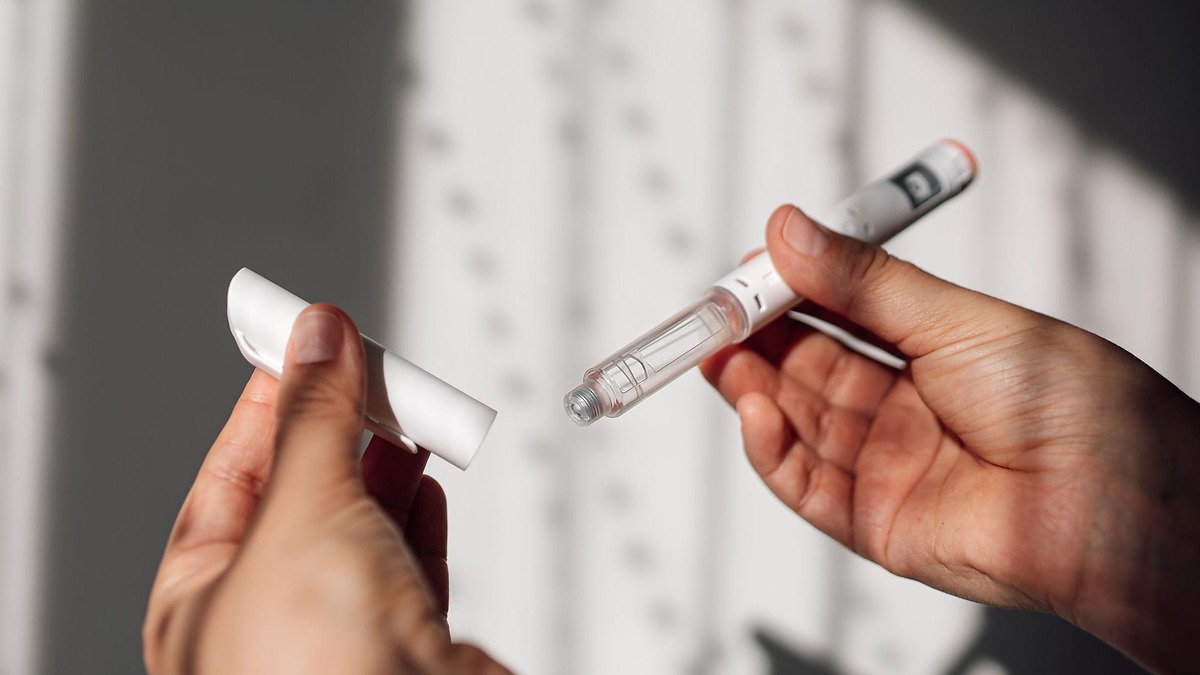
Millions more people in Britain should be given access to the weight-loss drug Mounjaro through the NHS, MPs have urged, warning that current plans will reach only a small proportion of eligible patients.
A cross-party report by the Health and Social Care Committee (HSCC) found that just 6% of the millions of people who could qualify are expected to receive the injections under the NHS’s three-year rollout, which began in 2024.
The committee described the planned expansion as unambitious given the scale of obesity in the UK. It warned that limited access could push some patients towards unregulated suppliers, while others may spend heavily on private prescriptions.
Private Treatment Costs Raise Concerns About Unequal Access
The report warned that people seeking Mounjaro and other weight-loss medicines privately may be spending more than £300 a month, with some going into debt to pay for treatment.
MPs said the difference between limited NHS availability and the cost of private prescriptions had created what they described as a “two-tier system”, potentially preventing people who need treatment most from accessing it.
Mounjaro, described as the “King Kong” of slimming injections, was approved for NHS use by drug watchdogs in late 2024.
The National Institute for Health and Care Excellence (NICE) set out a phased rollout intended to provide the treatment to 200,000 patients over three years. The gradual approach was designed to manage demand and avoid placing excessive pressure on GP services.
However, the committee said the target would reach too few people who could benefit from the medicine.
MPs Say Wider Access Could Reduce Obesity Complications
The HSCC said expanding access to weight-loss medicines could help prevent serious health complications associated with obesity.
Committee chairwoman Layla Moran said improving obesity care could also save the NHS billions of pounds in the long term.
Obesity, defined as having a body mass index (BMI) above 30, costs the UK economy more than £74 billion annually and the NHS more than £9 billion. Around two-thirds of adults in England are classified as overweight or obese.
MPs have called on the Government to urgently reassess the pace of the Mounjaro rollout, while acknowledging the funding and capacity challenges facing the health service.
Strict Criteria Limit NHS Prescriptions
Patients must currently meet strict clinical requirements to access weight-loss injections through the NHS.
GPs can prescribe Mounjaro to people with a BMI above 35 who also have at least four serious weight-related health conditions, including conditions such as type 2 diabetes, heart disease, sleep apnoea and high cholesterol.




Wegovy is available through specialist weight-management services and cannot be prescribed by GPs under the arrangements described in the report.
Ozempic, another widely used injection containing a GLP-1 medicine, is prescribed on the NHS for type 2 diabetes rather than specifically for obesity.
Mounjaro has been reported to help patients lose around a fifth of their body weight after 17 months of treatment.
The committee did not recommend specific changes to the prescribing criteria for GLP-1 medicines but said the wider system for delivering obesity treatment could be improved.
Digital Providers Could Help Expand Treatment
MPs suggested that the NHS could work with approved digital healthcare providers to help prescribe, monitor and support patients taking weight-loss medicines.
Under the proposal, patients would not necessarily need repeated GP appointments at every stage of treatment. Digital providers could help manage care for larger numbers of patients, potentially freeing up NHS capacity while widening access.
The committee said the health service needed to make better use of existing capacity and learn from the private sector, where significantly more GLP-1 prescriptions are being issued.
It also called for obesity to be recognised and treated as a chronic, relapsing disease, comparable to conditions such as type 2 diabetes and asthma, rather than being viewed primarily as a lifestyle issue.
MPs Call for More Bariatric Surgery
The report also urged the NHS to expand access to bariatric surgery, describing it as a cost-effective treatment that remains underused.
Just 6,550 bariatric procedures were carried out during the 2024–25 financial year, reaching fewer than 1% of eligible patients, according to the committee.
MPs called for the number of procedures to be doubled.
The report also highlighted differences in access to specialist obesity services and surgery across the country, warning that patients faced a potential “postcode lottery” depending on where they lived.
For example, 785 bariatric procedures were carried out in the North East and North Cumbria, compared with 340 in south-east London.
The committee concluded that people living with obesity were being let down by the NHS and urged the Government to make improvements to obesity care a priority.
NHS Says Access Will Expand as Capacity Allows
An NHS spokesperson said the health service was prioritising weight-loss medicines for patients with the most severe and complex needs.
The spokesperson said the NHS wanted to expand access as quickly as local capacity and funding allowed, while ensuring treatment remained safe and sustainable.
The health service is testing new ways for patients to begin taking the medicines, alongside other support programmes that have already helped tens of thousands of people achieve a healthier weight.
Government to Consider Committee’s Recommendations
A Department of Health and Social Care spokesperson said obesity remained one of the biggest challenges facing the health service and that the Government was committed to addressing the problem through prevention and treatment.
The department said NHS Integrated Care Boards were expected to make the medicines available through a phased rollout, starting with people with the greatest clinical need while building the workforce and capacity required to expand access.
The spokesperson added that the Government would carefully consider the committee’s recommendations and respond in due course.
