
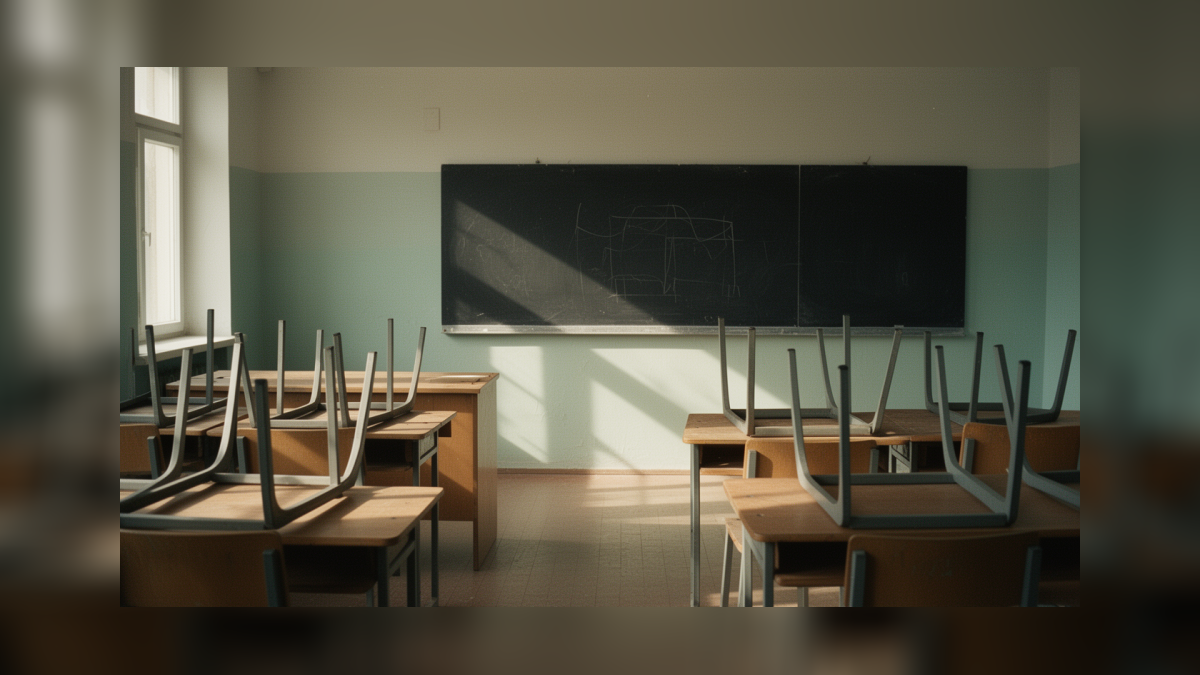
The Philippine Department of Education (DepEd) has introduced new measures to protect students and school staff from extreme heat during the 2026–2027 school year as the country prepares for the anticipated effects of a “super-El Niño”.
The policy, outlined in Memorandum No. 064, series of 2026, establishes a four-tier response system that allows schools to adjust teaching arrangements or suspend classes according to conditions inside their classrooms.
The framework replaces a uniform national approach with measures designed to reflect the actual conditions experienced by individual schools.
Rising Temperatures Raise Concerns Over Classroom Conditions
The new measures come as schools in Pampanga and other parts of Luzon have experienced closures caused by typhoons, while increasing temperatures and heat indices have raised further concerns about the safety of conventional classroom environments.
Many public schools lack sufficient infrastructure to manage extreme heat. In some communities, Parent-Teacher Associations have organised fundraising efforts to purchase electric fans and air-conditioning units.
Students have also relied on portable cooling devices to make classroom conditions more bearable.
Four-Tier System Gives School Principals Greater Flexibility
Under the new policy, schools will follow a four-level response framework ranging from “Hayo” to “Hinto”.



The system allows school principals to determine whether classes should continue normally, shift to alternative teaching arrangements or be suspended based on the conditions affecting their facilities.
Decisions are intended to take account of the circumstances inside classrooms rather than relying exclusively on general weather reports.
Schools Required to Assess Facilities and Essential Services
DepEd has also directed schools to conduct environmental audits to identify conditions that could affect students and staff during the super-El Niño period.
The assessments will cover ventilation, water availability, sanitation facilities and food security.
Schools are expected to coordinate with local government units and parent associations to address infrastructure shortcomings before they develop into more serious problems.
DepEd Prohibits Additional Costs for Remote Learning
The department has prohibited schools from requiring families to purchase gadgets, pay for internet access, obtain printed learning materials or buy specific clothing and cooling devices as conditions for participating in remote or hybrid classes.
The restriction is intended to ensure that students can continue their education when schools change their teaching arrangements because of extreme weather.
The policy also seeks to prevent additional financial pressure on households during periods when drought-related inflation may increase living costs.
Measures Cover the 2026–2027 Super-El Niño Period
The new framework combines classroom-level safety assessments, flexible decisions on class arrangements and restrictions on additional expenses for families.
Through Memorandum No. 064, DepEd has established the measures for schools to follow during the 2026–2027 period as they prepare for the anticipated effects of super El Niño.
