
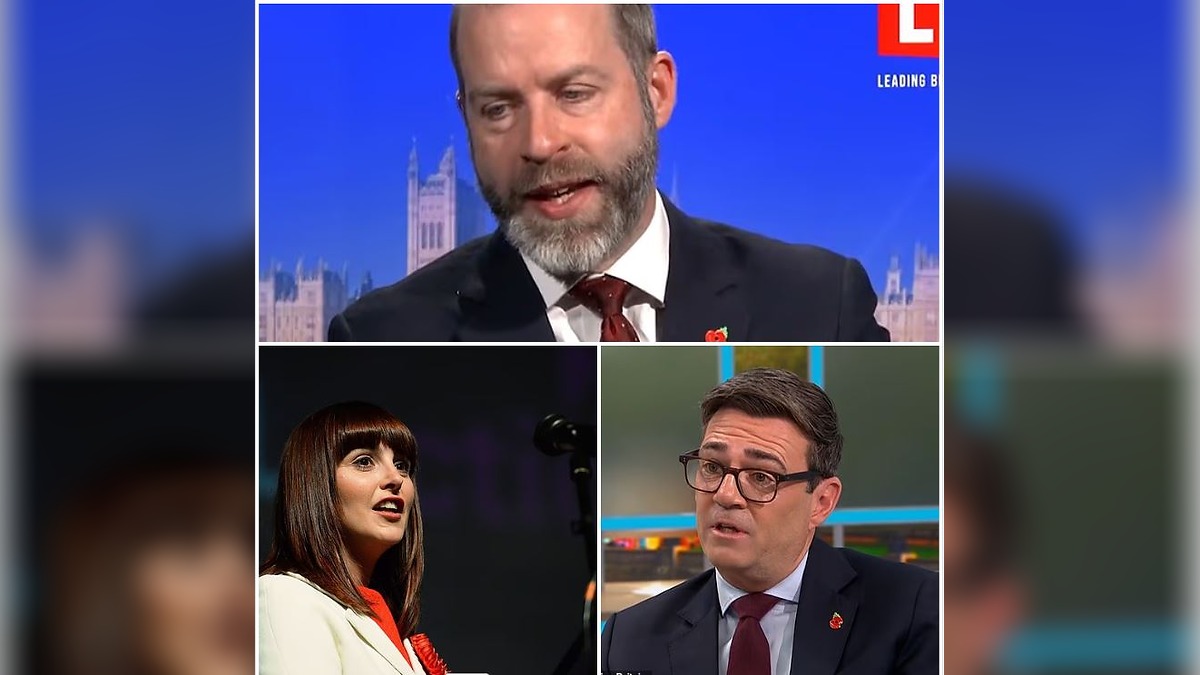
Labour is facing internal opposition over Prime Minister Andy Burnham’s comments about the United Kingdom’s future relationship with the European Union, particularly the possibility of restoring freedom of movement.
The prime minister recently called for an “honest conversation” about the benefits of closer ties with the EU, including whether arrangements allowing people to move freely between the UK and the bloc should be reconsidered.
His remarks have prompted concern among Labour MPs who represent constituencies that supported Brexit, with some warning that revisiting the issue could undermine public trust.
Melanie Onn, MP for Great Grimsby and Cleethorpes, said freedom of movement was one of the defining issues of the 2016 Brexit referendum and that concerns surrounding immigration, contribution and fairness remained unresolved.
Downing Street Clarifies the Prime Minister’s Position
Burnham suggested during television interviews that restoring freedom of movement would require a referendum, saying he would “never move ahead of the British public when it comes to Brexit”.
However, Downing Street subsequently said the government was not proposing a return to freedom of movement and had not reached the stage of developing concrete proposals for the UK’s longer-term relationship with Europe.
A spokesperson said the prime minister wanted a discussion about the type of long-term relationship that would best serve Britain, including the areas that could feature in a future agreement.
The spokesperson also described Burnham’s stated hope of rejoining the EU during his lifetime as a personal view rather than government policy.
The clarification followed reports that freedom of movement had become part of the wider debate about closer relations with Brussels.
Jonathan Reynolds Declines to State Personal Position
Business Secretary Jonathan Reynolds also declined to say whether he personally supported restoring freedom of movement when questioned during media interviews.
Speaking on BBC Radio 4’s Today programme, Reynolds said no assumptions had been made about what would follow next month’s UK-EU summit.


He said discussions with European representatives would cover possible options for the future relationship, but stressed that the immediate priority was the summit and the practical improvements the government hoped to secure.
Asked on LBC whether he supported freedom of movement, Reynolds said it was for the prime minister to set out the government’s position.
When pressed to give his personal view, he replied that, as business secretary, he followed the government line.
Reynolds is reported to be sceptical about proposals to rejoin the EU’s customs union and single market.
Government Says Upcoming EU Summit Is Its Immediate Focus
Downing Street said negotiations ahead of next month’s summit were focused on securing practical agreements intended to increase economic activity and reduce regulatory burdens on British businesses.
A spokesperson said the existing arrangement negotiated with the EU had not been sufficient and that the summit would seek to address some of its shortcomings.
The government said discussions about the UK’s longer-term relationship with the bloc were not part of the current negotiations.
Burnham is expected to outline options for the future relationship around the time of the summit, including proposals involving the single market, the customs union and possible EU membership.
The government also said details would be provided on how public support for any proposals would be assessed.
Melanie Onn Warns Against Reopening Brexit Divisions
In an article for Politics.co.uk, Onn said freedom of movement had been central to the Brexit referendum for many voters and warned that reopening the issue could revive divisions.
She argued that the 2024 Labour manifesto had made a clear commitment not to return to the single market, customs union or freedom of movement.
Onn said that commitment had been important to voters in constituencies such as Great Grimsby and Cleethorpes, where support for Brexit reflected concerns that national political leaders were not listening to local communities.
She added that political trust could be difficult to rebuild if voters believed commitments made during elections were subsequently being reconsidered.
Onn Says Closer EU Ties Do Not Require Freedom of Movement
Onn acknowledged that negotiations with the EU could create opportunities for trade, economic growth and young people.
However, she argued that pursuing those objectives did not require the government to reopen the debate over freedom of movement.
She said the government should focus on improving the UK’s relationship with Europe while maintaining the commitments made to voters.
The dispute has emerged as Burnham prepares to set out possible next steps for the UK’s long-term relationship with the EU ahead of the summit next month.

