
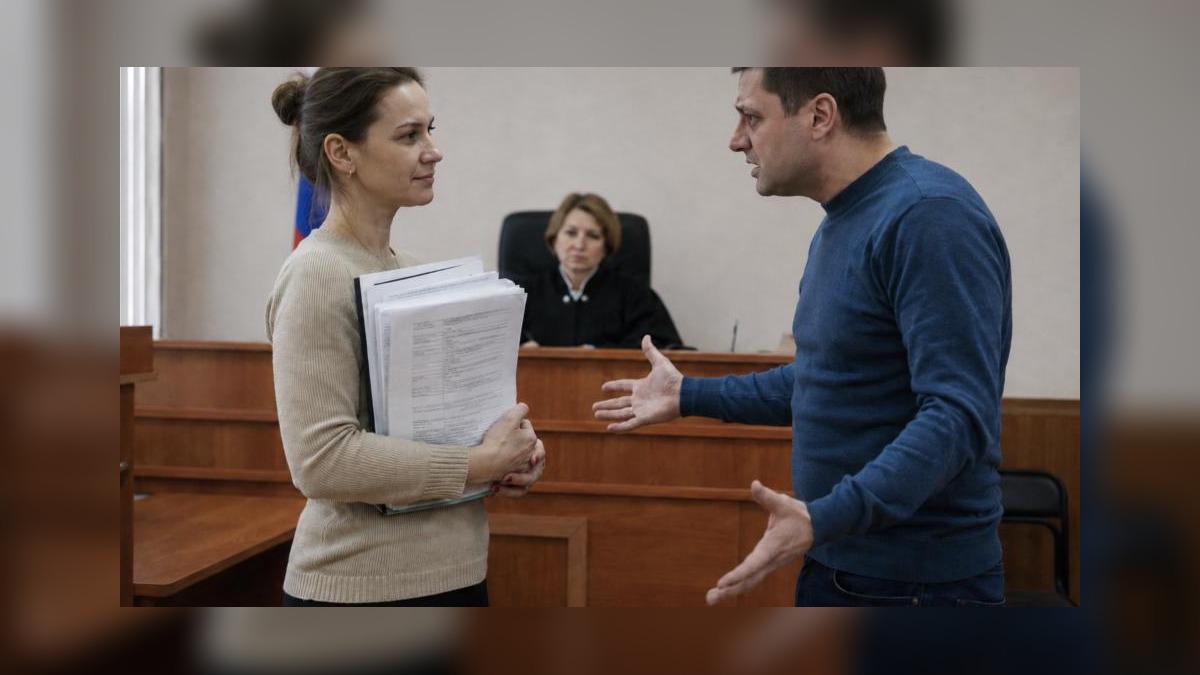
Kyrgyzstan is considering legislation that would allow courts to require a spouse who owns a home to provide temporary accommodation or pay rent for a former partner following a divorce.
The draft law, submitted for public discussion on October 27, 2026, is intended to protect people facing housing difficulties after the breakdown of a marriage, particularly those responsible for caring for children.
Under the proposal, courts would assess the circumstances of both parties before deciding whether a property owner should provide accommodation for a specified period or cover the cost of alternative rental housing.
The measure would not transfer ownership of the property to the former spouse or require the divorced couple to continue living together.
President Japarov Highlights Cases Involving Mothers and Children
The proposed legislation follows concerns raised during regional visits by President Sadyr Japarov about women facing housing disputes after separation from their husbands.
In Batken district, a woman named Gulzat told the president that her husband had left her with three children and was challenging property documents in court in an attempt to deprive her of jointly acquired assets.
Another woman in Aksy district reported that her husband had transferred a plot of land in the Ak-Ordo residential area to his father through a deed of gift without her consent.
She subsequently faced legal action from her former father-in-law, who sought to have her leave the home where she lived with four children.
Japarov instructed the Ministry of Internal Affairs and judicial authorities to oversee the cases, stressing that mothers caring for children should not be left without shelter.
Ten Members of Parliament Initiate the Proposal
The legislative initiative was submitted by ten members of the Jogorku Kenesh, Kyrgyzstan’s parliament.
The initiators include Speaker Marlen Mamataliev and deputies Gulkan Moldobekova, Gulnara Akimbaeva, Gulnara Baatyrova, Medina Kairylbekova, Rakhat Zhunushbaeva, Makhabat Mavlyanova, Zhyldyz Taalaibek kyzy, Bolot Sagynaev, Bekmurza Ergeshov and Aybek Altynbekov.
Deputy Gulnara Baatyrova said the bill addresses situations in which women are left without stable accommodation because the family home is registered in the name of their spouse or the spouse’s relatives.
She noted that some women are forced to seek accommodation in temporary rehabilitation centres or rent housing after a divorce.
The proposed rules would give courts the authority to determine whether temporary housing support is necessary, taking into account the financial circumstances and health of both former spouses and whether children are involved.




Divorce Figures Show Thousands of Cases Across Kyrgyzstan
Data from the National Statistical Committee indicates that registered divorces increased gradually across most regions of Kyrgyzstan between 2021 and 2025.
The recorded number of divorces in 2025 varied by region, with Bishkek reporting the highest figure.
The regional breakdown was as follows:
- Bishkek: 2,557 divorces
- Jalal-Abad region: 2,479
- Osh region: 2,273
- Chuy region: 2,175
- Issyk-Kul region: 1,534
- Batken region: 896
- Naryn region: 834
- Osh city: 829
- Talas region: 633
The figures provide the regional context for the proposed housing protections, which would apply to qualifying cases decided by the courts.
Human Rights Lawyer Supports Additional Housing Protection
Human rights lawyer Esenia Ramazanova supports the proposal, saying children remain with their mothers in an estimated 80 to 95 per cent of divorce cases.
She also highlighted concerns about the declaration of income during divorce and maintenance proceedings.
According to Ramazanova, some fathers holding senior positions report official monthly incomes of between 10,000 and 15,000 soms to reduce their alimony payments, despite owning substantial assets.
She said the disparity between declared income and actual wealth could complicate efforts to secure financial support for former spouses and their children.
Legal Expert Calls for Clearer Rules on Eligibility and Payments
Zhibek Kenzhebekova, founder of the My v Prave law firm, supports the bill’s objective but has called for more precise criteria governing its implementation.
She warned that unclear definitions of financial need, the length of a marriage and limits on rental payments could lead to additional court disputes.
Kenzhebekova also noted that owning a property does not necessarily mean a person has sufficient available funds to pay rent for a former spouse.
A property owner may have mortgage repayments or other financial commitments that limit their ability to cover additional housing expenses.
She said clearer provisions would help courts determine when housing assistance should be ordered and how long it should continue.
Similar Housing Arrangements Exist in Other Countries
The proposal draws on legal approaches used in several other countries to address housing arrangements following divorce.
In Spain, Article 96 of the Civil Code provides for the use of the family home to be assigned to minor children and the parent responsible for their care.
French law allows courts to determine who may use the family home during divorce proceedings and whether compensation must be paid.
In Germany, the right to occupy a property can be allocated according to the interests of children and the circumstances of the parties.
In parts of the United States, including Arizona and Utah, temporary court orders can grant one spouse exclusive use of the family home and provide for temporary support payments while proceedings are ongoing.
Kyrgyzstan’s draft legislation would similarly allow courts to consider housing needs after divorce, with decisions based on the circumstances of each case.
The proposal remains under public discussion.

